My First Giro d’Italia, Streamed at Sunrise

I never thought I’d become the kind of fan who wakes up at 4 a.m. just to stream an Italian cycling race on Australia’s public SBS TV station from halfway across the world—but the Giro d’Italia made me that person. It’s wild how things change.
Just a few years ago, I was a typical American cycling enthusiast: sure, I’d read Velo and Cycling News online, but typically never watched anything except for YouTube recaps from stages of the Tour de France. But then I moved to Spain, and the Vuelta a España started winding through my own backyard, and I started paying attention. That race two years ago pulled me right back in—it was one of the most thrilling Grand Tours I’d ever seen. From that point on, I became fully immersed—not just in person at the Vuelta, but at the Tour de France in my neighboring country as well last year.
This spring, I devoured the cobbled classics, including all of the Monuments. TNT’s spoiler-free YouTube recaps became my go-to for catching the drama without ruining the suspense. It was a wild season. All signs pointed to me finally diving into the Giro d’Italia—and I did.
The buildup to the Giro was electric. A clash between Spain’s 22-year-old Juan Ayuso and past Giro winner Primož Roglič looked certain. But the race had other plans.
The heartbreak came early. Mikel Landa, my favorite Spanish rider, crashed out in in the very first stage and fractured his back. It stung—not just because he’d miss the rest of the Giro, but because he wouldn’t make the Tour de France either, where he was set to support Remco Evenepoel after placing fifth last year.
Mads Pedersen—another one of my favorite riders—of Denmark then took center stage. Week 1 was his playground. He stormed to victories and reminded everyone that if he weren’t racing in the Pogačar/van der Poel era, he’d be hailed as a cycling superstar. He’d already bested those guys in one-day races—just not in a Monument (yet). Beating Wout van Aert in Stage 1 added extra flair. He added an astounding three more stage victories during an extended stint in pink.
Van Aert’s season up to that point had been a frustrating string of perpetual 2nd and 4th-place finishes and 0 wins. The most agonizing? A 3-on-1 showdown lost to Neilson Powless—an American who was given a mere 1:1000 chance of beating Wout in a sprint but who stunned everyone and gave me heaps of joy, particularly because he rides a Cannondale.
But never doubt Wout—the versatile cyclist would have his moment. After the chaos of Napoli’s Stage 6 and a brutal crash on Stage 9’s sterrato for both Roglič and Tom Pidcock, van Aert finally broke through with an emotional win on the white gravel roads to Siena. It was like he had broken a curse.
During the next stage, his powerful leadout for Olav Kooij was world-class. He transformed from hard-luck contender to invaluable teammate.
Week 2 brought Egan Bernal’s fiery attacks—a reminder of the talent that won the 2019 TdF. After his horrific crash in 2021, seeing him launch meaningful moves again was inspiring. Around the same time, UAE Team Emirates’ Isaac del Toro began to shine. The young rider from Ensenada, Mexico—where my buddy and fellow cycling enthusiast Eddie grew up—lit up the latter stages of the race with audacity and poise well beyond his years.
Stage 14 saw carnage and splits in Nova Gorica. Then Stage 16 flipped the narrative. Ayuso cracked, Roglič abandoned due to the effects of his multiple (and usual) crashes, and del Toro surged up San Valentino like a Grand Tour veteran.
Canadian Derek Gee, this year’s O Gran Camiño champion who rode past me in Pontevedra, clawed his way up the standings after early time losses. And Richard Carapaz, riding his Cannondale Super Six Evo Lab 71, turned almost every mountain stage into a personal highlight reel with relentless attacks. I couldn’t help but cheer for him—his bike alone had me hooked.
Simon Yates, meanwhile, quietly laid the foundation for an assault on the pink jersey. Starting Stage 20 in third place overall, the stage made him face the infamous Colle delle Finestre: the same climb where he once lost the 2018 Giro in dramatic—and utterly demoralizing—fashion. Based on memories of that collapse, I—and think many other people—did not believe he would be a challenger for one of the top rungs of the final podium. The lower step would have to do.
Apparently, he had other ideas, and the penultimate stage played out like a movie. Del Toro shadowed Carapaz, refusing to take a turn, intent on outsmarting him. Meanwhile, after briefly getting dropped, Yates went past del Toro and Carapaz 15 or so minutes into the climb. Del Toro chose to ignore him, completely obsessed with Carapaz. Carapaz tried to shake the young Mexican, sprinting and slowing to a near standstill many times, but del Toro held firm—he would stick to the Ecuadorian’s rear wheel, but no more. By the time Yates had crested the top of the Finestre, he was in virtual pink by 21 seconds.
Wout van Aert played a crucial role once more, as he turned himself inside out on the Finestre to be ahead of Yates so that he could help him on the back side of the mountain. Visma Lease-a-Bike’s team manager later would call wout “a game changer.” Carapaz, upset by del Toro’s tactics, refused to collaborate, and by the time they reached the summit finish, Yates had gained an additional four minutes (since the top of the Finestre) on del Toro and Carapaz. This effectively won him the race, as the final stage of the Giro was largely ceremonial barring a crash, destined to come down to a final sprint in Rome with no major time gaps. (There in Rome, van Aert yet again did a spectacular leadout, with his teammate Kooij winning the final stage.)
That victory meant everything—Yates not only redeemed himself in mind-blowing fashion, but did it on the very mountain that had once broken him and haunted him for seven years. It was fitting, emotional, and unforgettable.
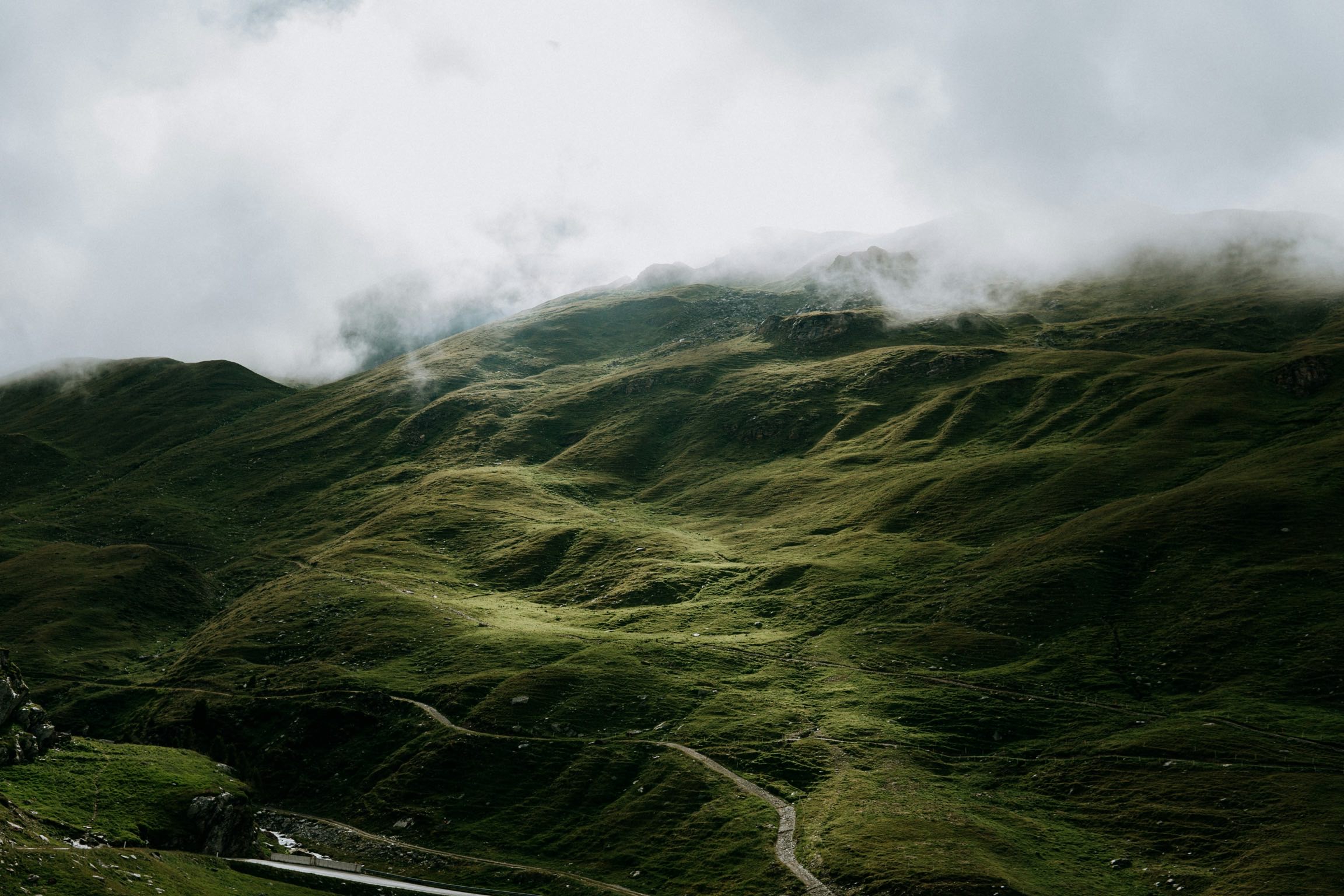
And for me, the Giro wasn’t just a race. It became an invitation. The Italian landscape shown during the broadcast was dreamy. The language, the scenery, the people—Italy started calling to me. Watching the Giro unfold across the roads and mountains of that country made me want to be there. To stand roadside among the tifosi, to see those hairpin climbs and ancient towns with my own eyes. All this even inspired me to even listen to my first Italian audio lesson—Earworms Italian—on a long drive to Casper, Wyoming.
The Giro and its conclusion was absolutely enthralling. And now, with the Tour de France just ahead and the “Big Four”—Tadej Pogačar, Jonas Vingegaard, Roglič, Evenepoel—lining up for a rematch of last year, I’m ready for more. But if the Giro taught me anything, it’s that the most captivating stories aren’t always written by the favorites. Sometimes, the magic lies with the unexpected.