Biosphere 2: A Retro-Futuristic Journey in Tucson

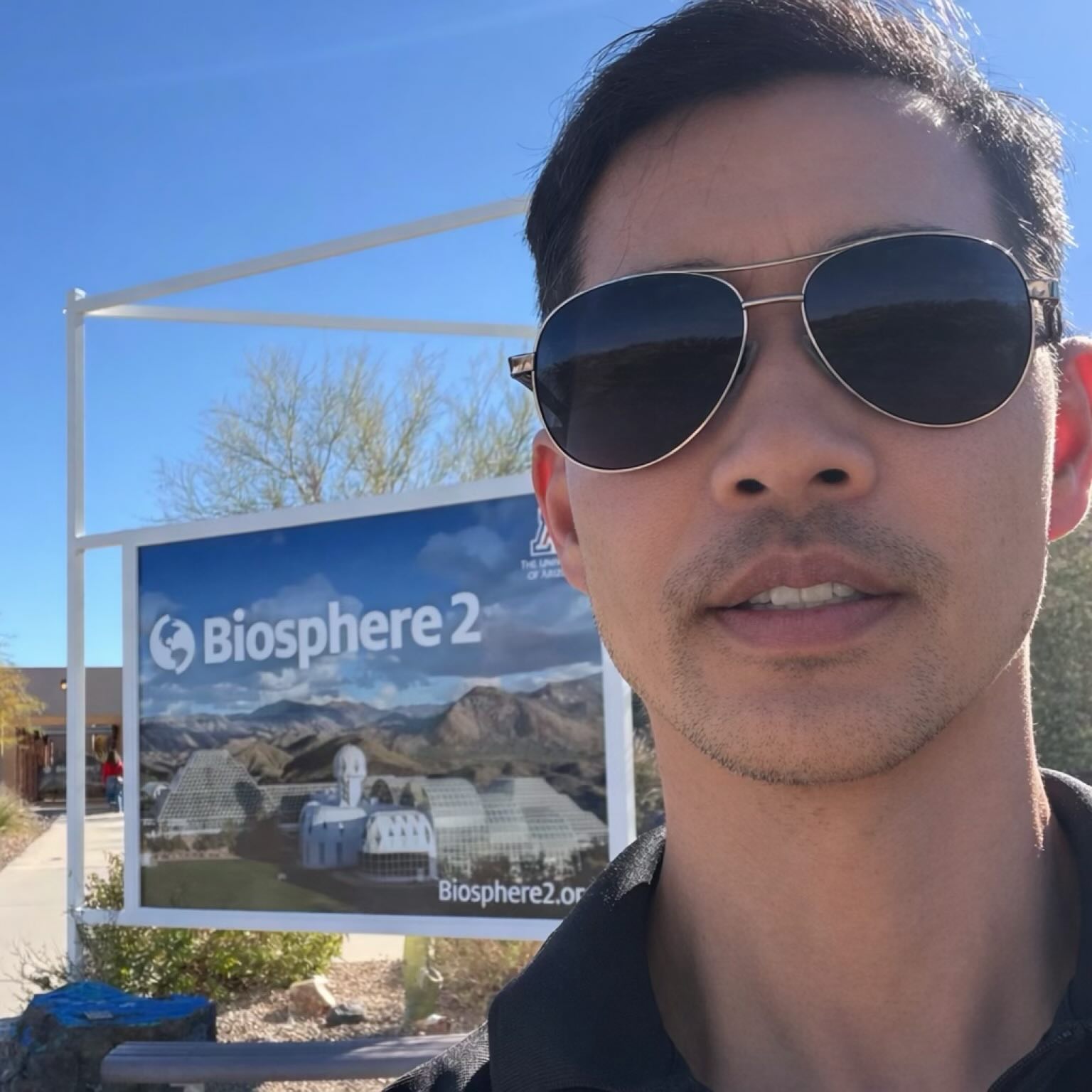
Stepping onto the grounds of Biosphere 2 felt like walking directly into the pages of a memory. Back in the early 1990s, while I was a student at Stanford during my downtime, I would flip through Newsweek that arrived in the mail via weekly subscription. I remember sitting down with that paper magazine and reading about this audacious, three-acre glass-and-steel terrarium. The goal was noble: to create a prototype for space colonization and a better way to live on “Biosphere 1” (Earth). Could humans could survive in a completely self-contained world that maybe one day could be replicated on, say, Mars?
However, what I remember most about Biosphere 2 was a controversy dealing with its struggles. The Biospherians famously dealt with dwindling oxygen levels and a grueling calorie deficit that led to some clandestine “smuggling” of outside food to keep the team going—a detail that was kept from the public at the time, and ultimately became scandalous. The breach in the sealed-system protocol and clear breakage of self-sufficiency rules caused the whole project to lose credibility.
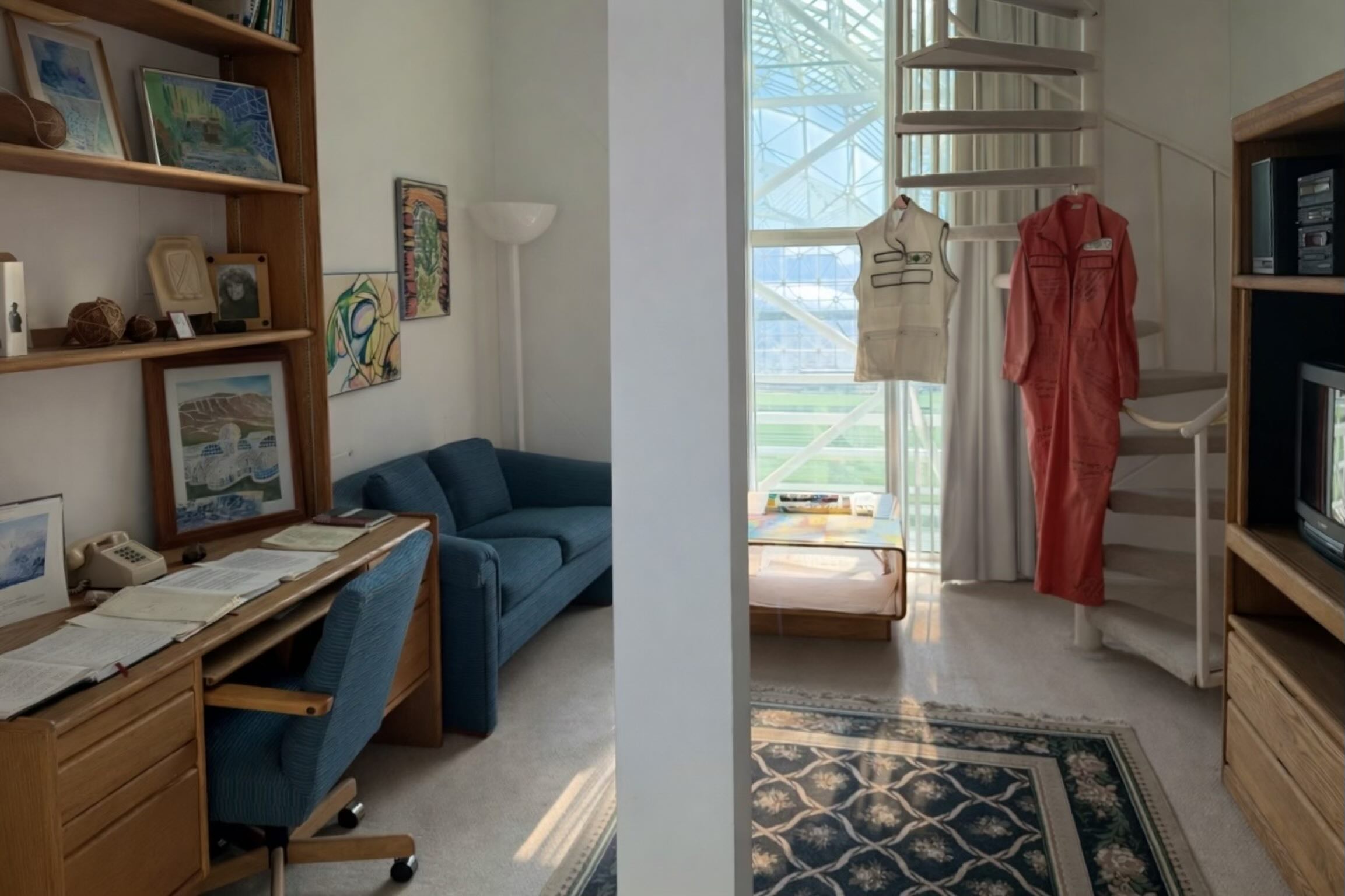
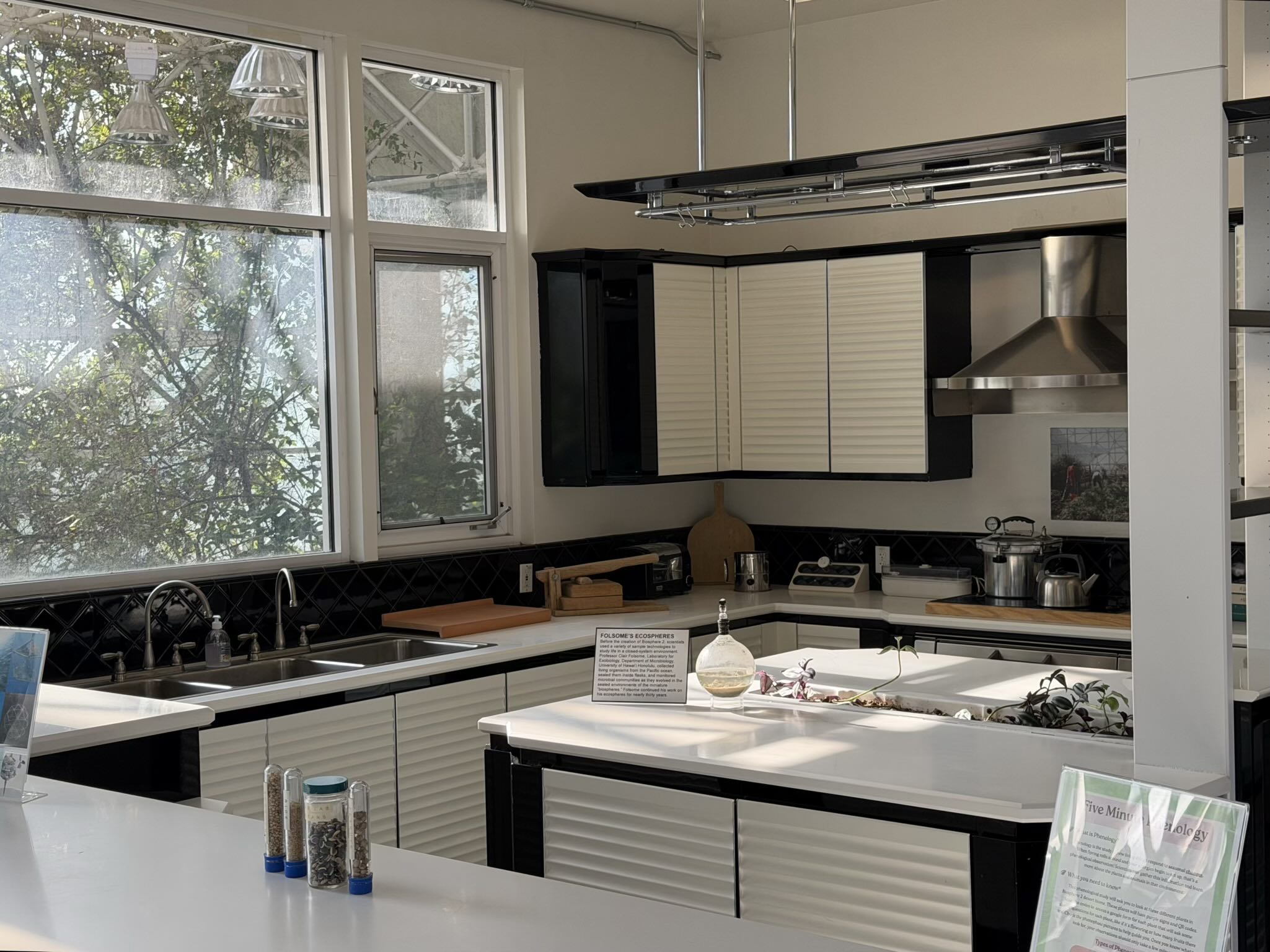
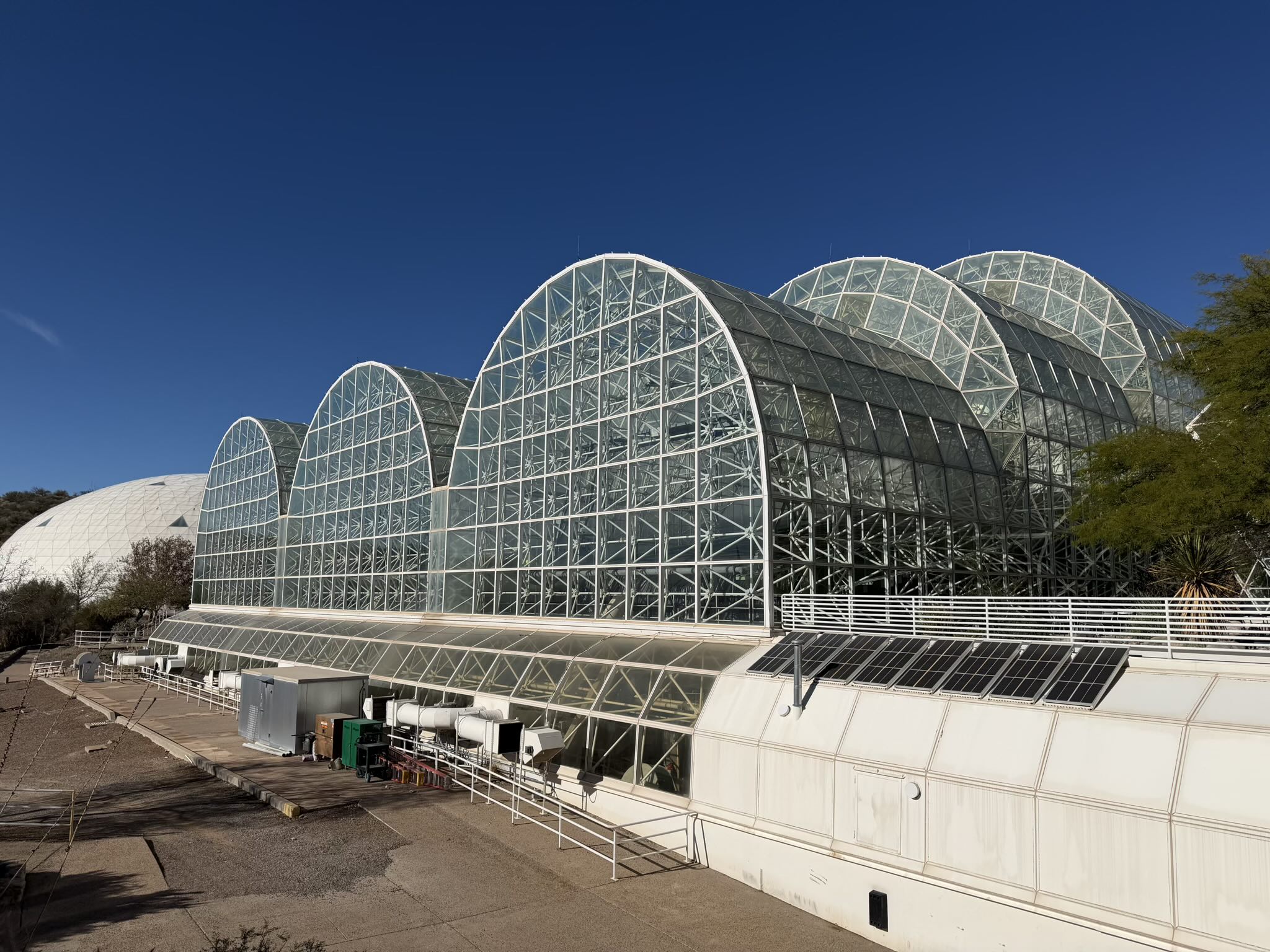
Nevertheless, the architecture itself remained a marvel of retro-futurism, looking like a series of intersecting pyramids and space-frame vaults. As I toured the resident quarters, the sheer passage of time hit me. Photos on the walls showed the original scientists with 1990s perms and hairstyles that I wouldn’t have given a second thought to back in college, but now they look absolutely retro thirty years later. The rooms were frozen in that era, featuring bulky tube TVs, corded telephones, and shelves lined with actual paper books. It was a jarring—and poignant—reminder of how much the world has changed since I first read the magazine articles.
My journey inside truly began at the Orchard, often called “The Sweet Shop” by the original crew, which served as the start of the sealed airlock. Moving through the facility, I was struck by the ingenuity of their vertical foam walls used for hydroponics. Today, they still grow food there without a lick of soil, using only light and nutrient solutions; it’s heartening to know the harvest is donated to the University Pantry and local families in need.
From there, I got a glance of the Energy Center. It housed massive generators and chillers that were designed to function like a terrestrial life-support system, even in a total power grid failure.
If the Energy Center was the Biosphere’s “beating heart,” then it was very appropriate to next see “The Lung”—a large white building featuring 16-ton aluminum disc that rises and falls to alleviate air pressure build-up. It is the only one of its kind in the world, a necessary engineering feat to keep the glass from shattering under the Arizona sun.
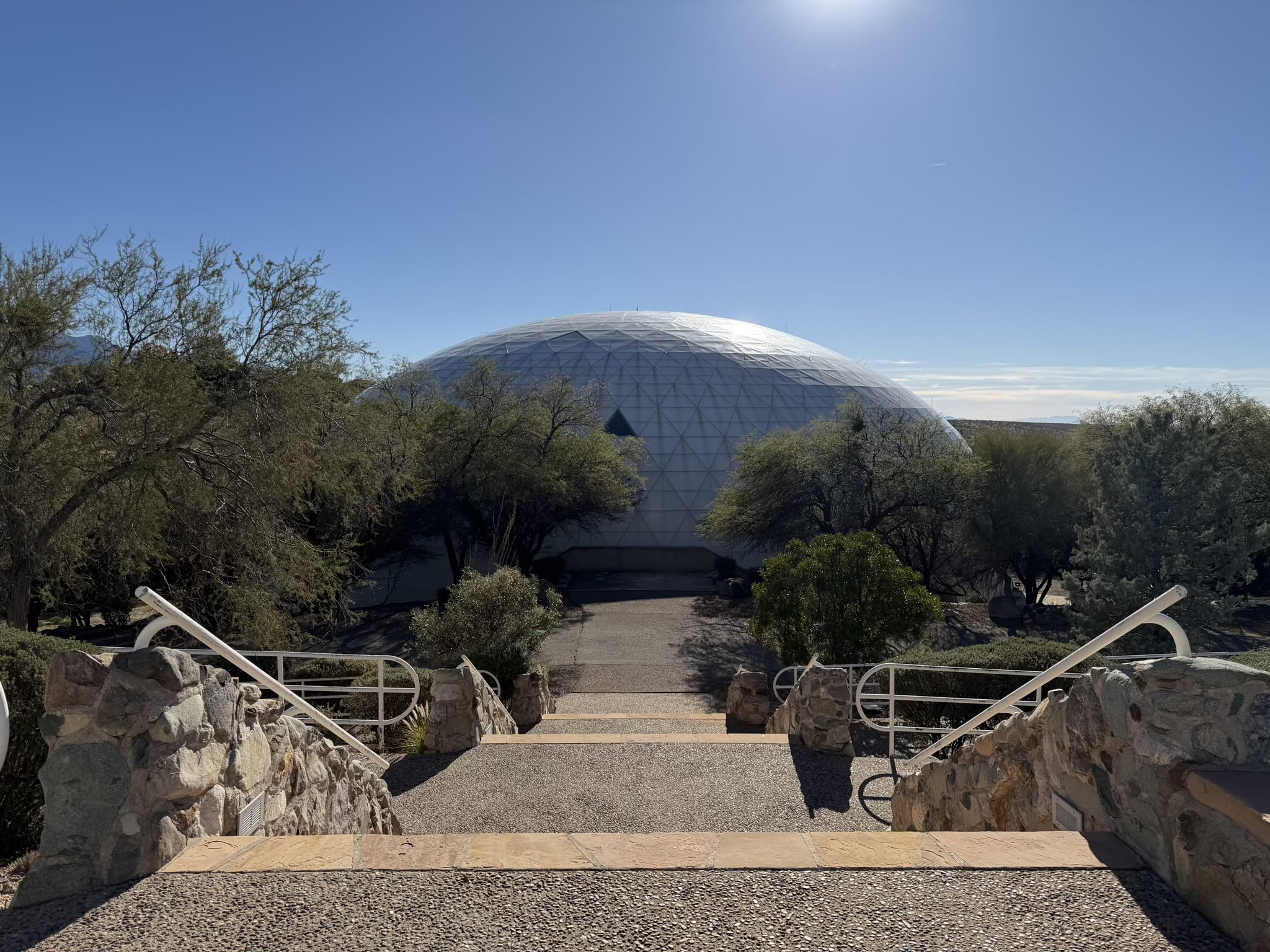
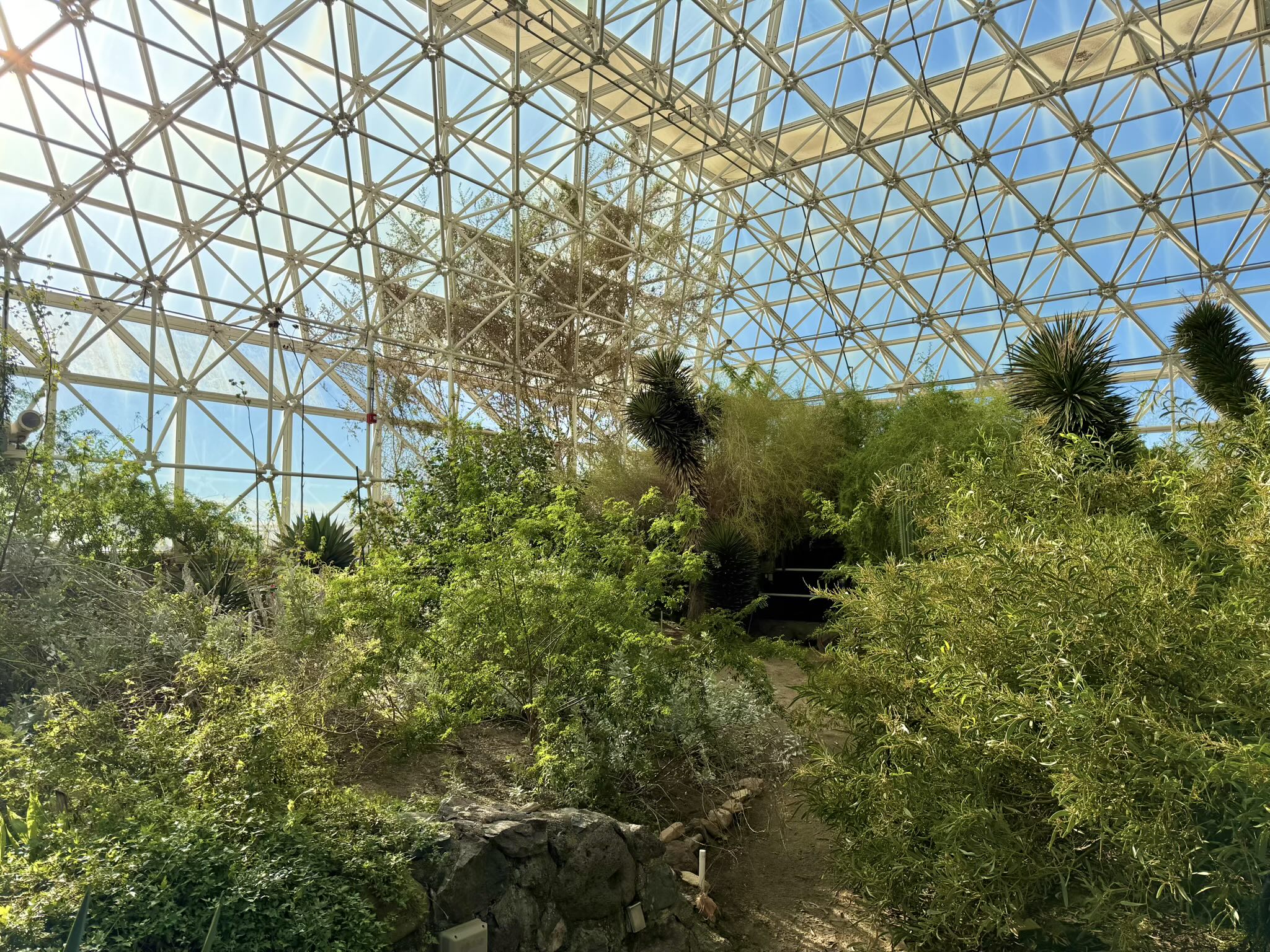
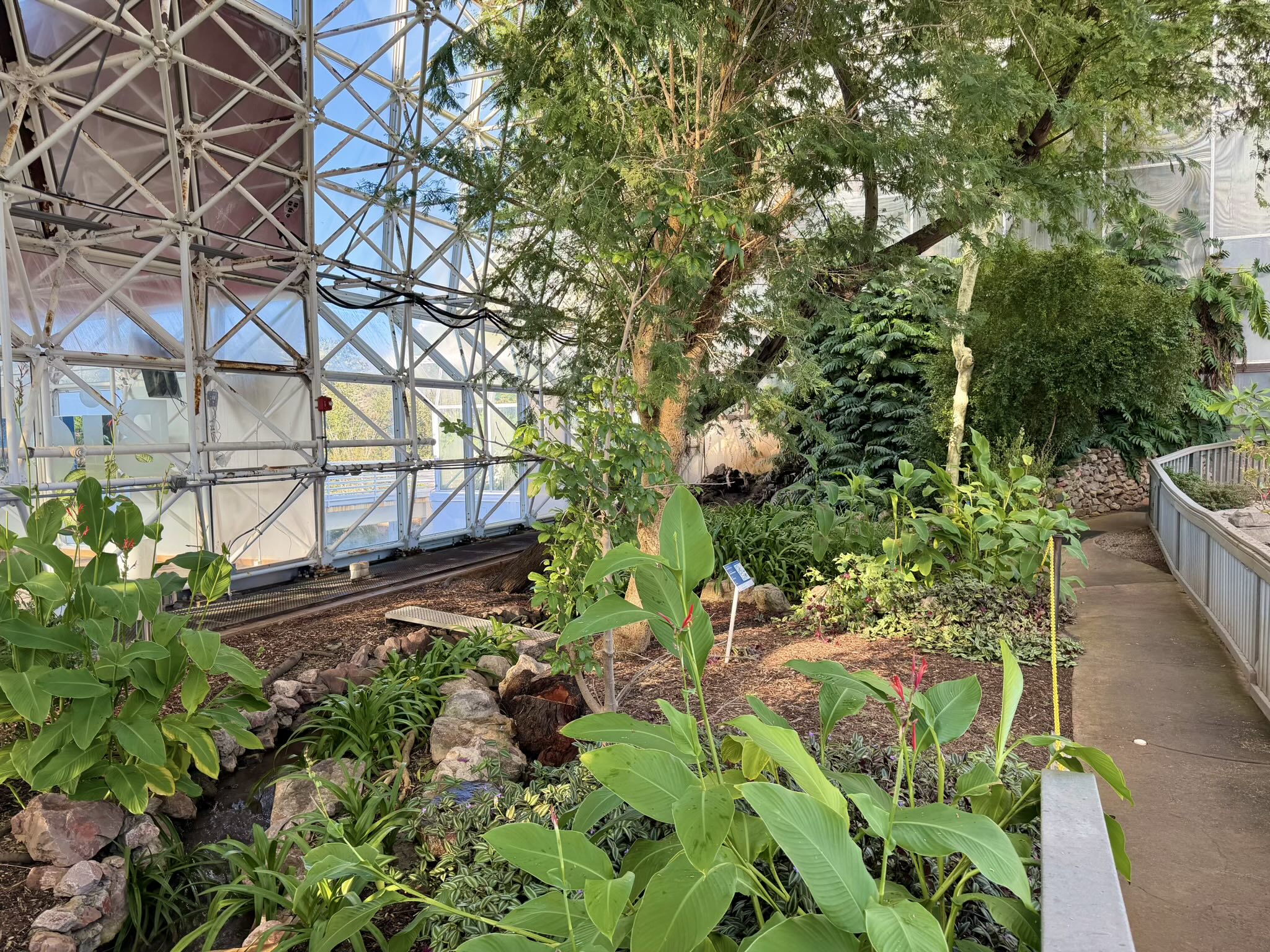
From there, I walked through the different biomes housed inside the greenhouse buildings of Biosphere 2. Considering that they represented whole ecosystems, they took up far less space than I imagined they would. Walking through them felt like a rapid-fire tour of the planet.
I started in the Coastal Desert Fog, a humid and breezy simulation of Baja California, before transitioning through the Thornshrub—a dense buffer zone leading toward more tropical climes. I marveled at the Florida Mangroves, an exact analog of the real thing, and the Lower Savanna, where trees are heavy with avocados, mangoes, and other fruits.
One of the most impressive sights was the world’s largest experimental ocean. Originally built to study the effects of carbon dioxide on coral reefs from the Yucatan, the reef unfortunately died off after management shifts years ago. However, the energy there is shifting; a new study is just beginning to revitalize the waters and research reef resilience.

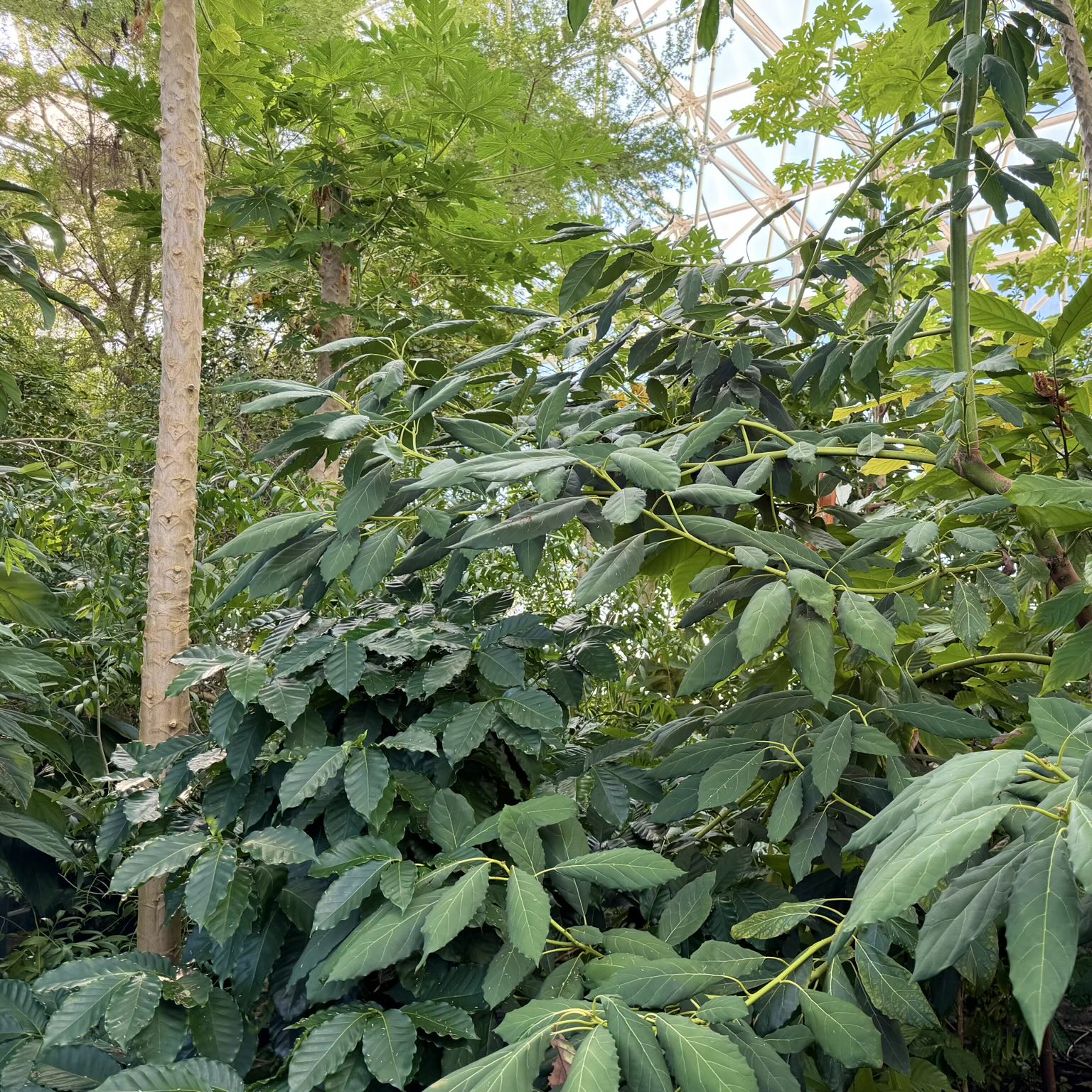
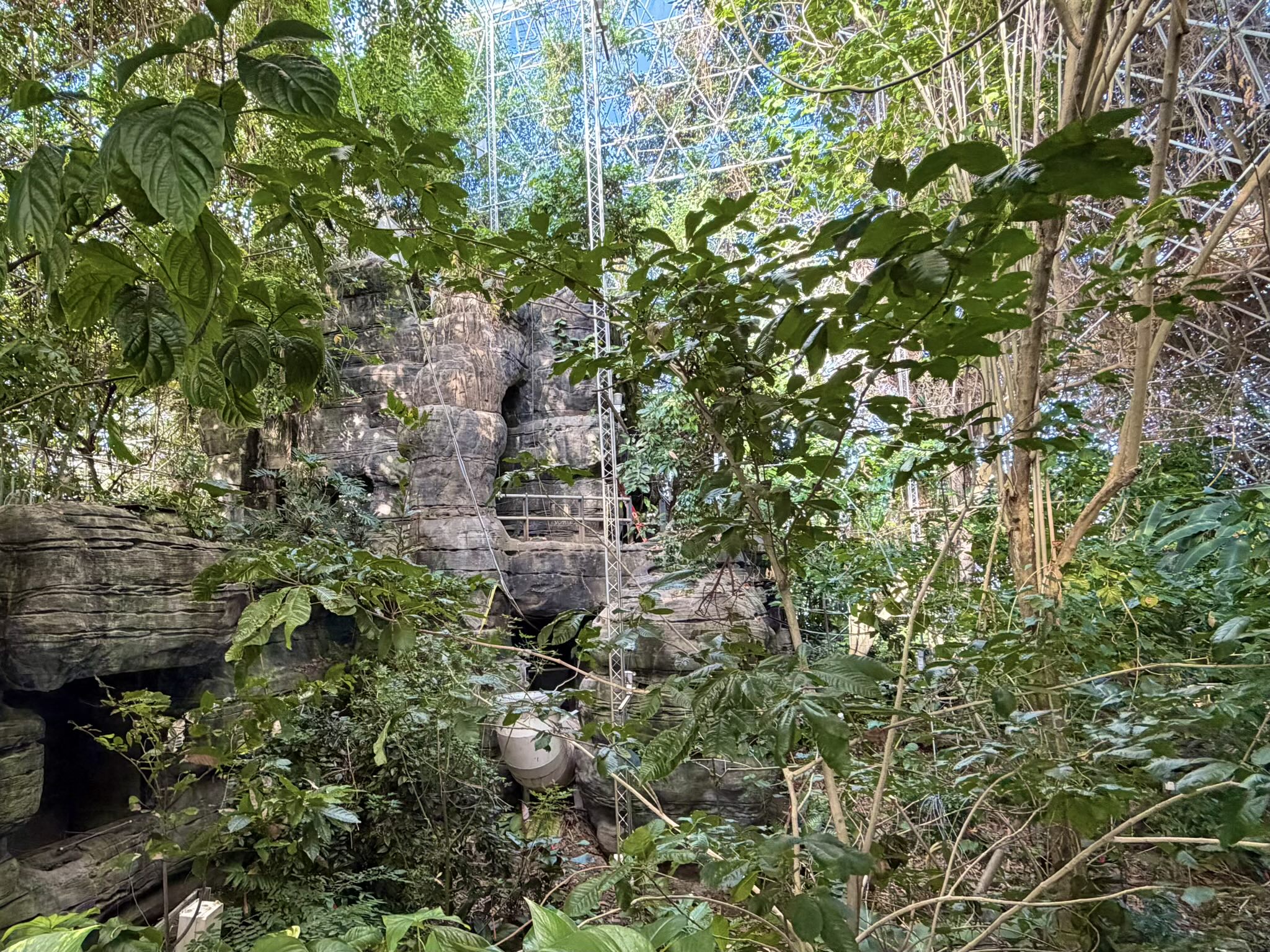
As I climbed toward the Upper Savanna, I learned it once served as a transition zone to produce seeds for birds intended for the habitat. The final stop was the Tropical Rain Forest, tucked away in its own humid, separate room. While it originally housed over 400 species, it’s now home to about 100, populated by a buzzing community of aphids, spiders, and other insects. There are no jaguars or monkeys here—they proved too difficult to support without outside resources—but the dense canopy still feels wild and immersive.
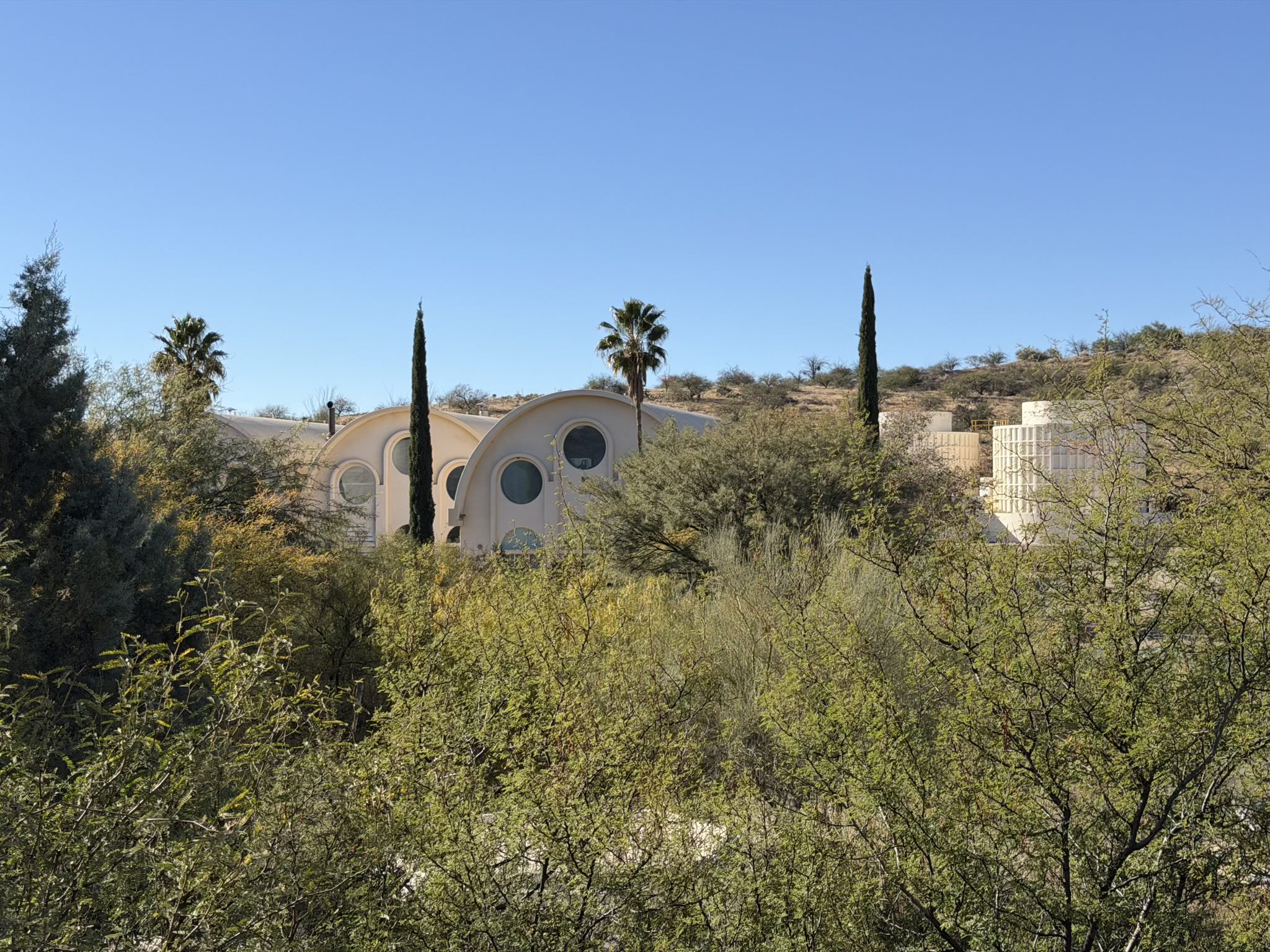
Today, Biosphere 2 has found a second life as a premier research facility for the University of Arizona. While academic visitors can still stay on-site in charming little adobe casitas, the “experiment” has evolved from a survivalist mission into a vital laboratory for studying climate change.
Interestingly, my visit didn’t end with the tour; the very next morning, I found myself back on those same roads in the wee hours of the darkness for the start of the Tucson Marathon.

As I commenced my run beyond the silhouette of those glass pyramids, I couldn’t help but reflect on the legacy of the place. It may not have become a permanent colony on Mars, but as a symbol of our desire to understand and protect our own world, it remains a remarkable place that continues to spur my imagination.


There are 2 comments.
Love your overview of this place. Many people enjoy it so much.
It was great. I'm really glad I finally got to visit it!