Alan Walker Concert at Red Rocks

One of the unexpected silver linings of the pandemic—beyond having more focused time and an even greater appreciation for outdoor space—was becoming an Alan Walker fan.
At some point during those strange, homebound months, I kept noticing the same distinctive EDM track soundtracking YouTube videos across wildly different genres: gaming montages, travel vlogs, motivational compilations. That track turned out to be “Fade,” an instrumental Walker had posted to YouTube on August 17, 2014—one week before his 17th birthday—before sending it to the British royalty-free music label NoCopyrightSounds (NCS), which rereleased it to celebrate its own one-million-subscriber milestone. With free distribution baked in by design, “Fade” spread like a benign virus across the internet.
Walker eventually reworked it into “Faded,” a full vocal version that now sits at nearly 4 billion views on YouTube—the 28th most-watched video in the platform’s history—remarkable for a kid who learned to make music entirely through YouTube tutorials and had no formal training whatsoever.
What’s even more remarkable is that Walker doesn’t sing a note on any of his songs. He collaborates with vocalists—Ava Max, Iselin Solheim, Sasha Alex Sloan, among others—to provide the voice; his role is composing the melodies and producing the tracks. He’s even teamed up with legendary film score composer Hans Zimmer on a remix of “Time,” the iconic track from Inception.
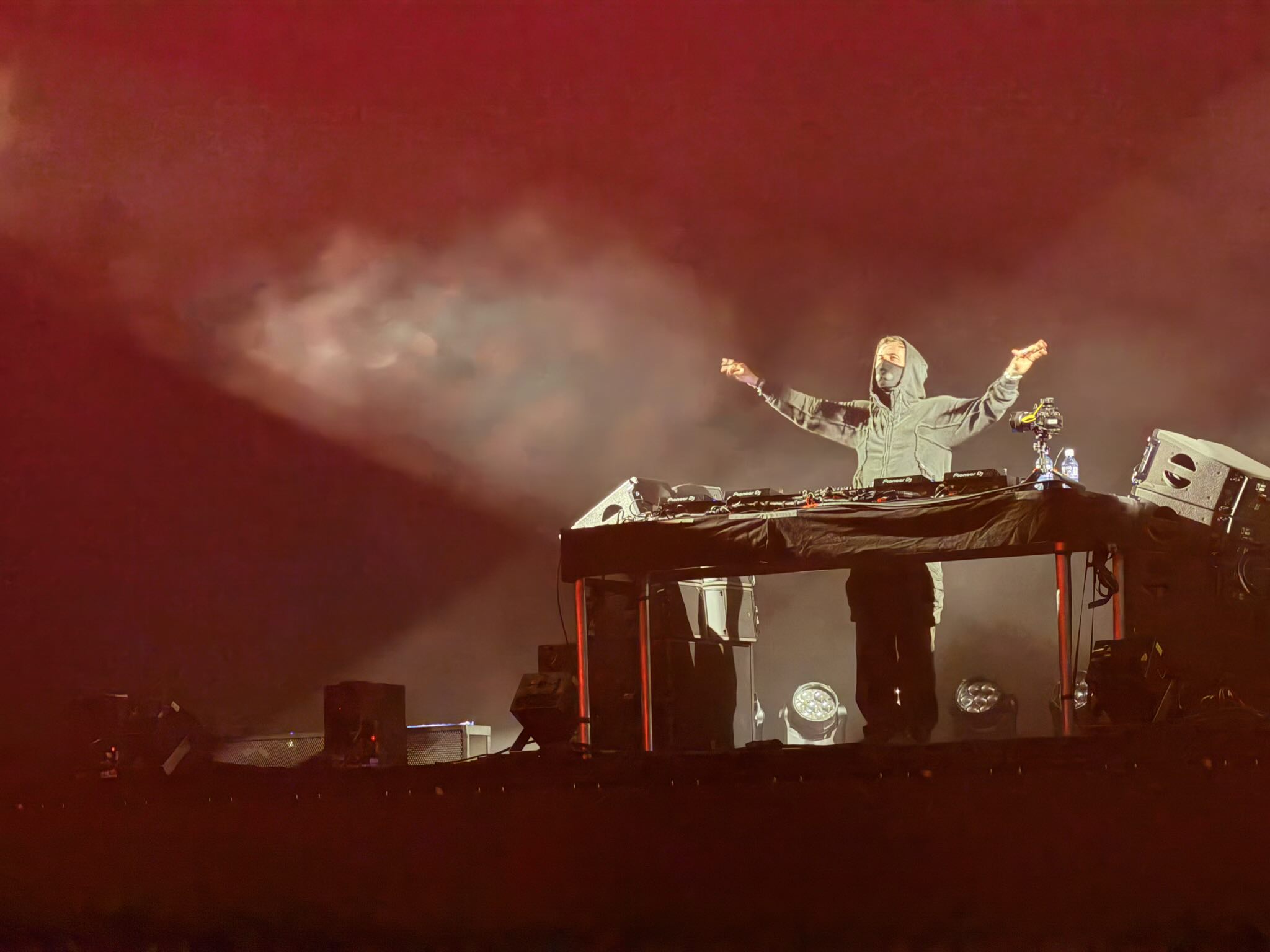
Beyond the music, Walker has cultivated a persona that is immediately recognizable: he performs in a black hoodie and a facemask, embracing the skinny-gamer-who-stays-in-his-bedroom aesthetic with full commitment. When the pandemic rolled around and everyone was suddenly masked and isolated, his fans joked online that Walker had been socially distancing for years and was simply ahead of the curve.
I had wanted to see him perform live for a while. He had come through Denver at least twice before, but both times I was in Spain. When a notification landed on December 3, 2025 that Walker was booked at Red Rocks Amphitheater in Morrison, Colorado—one of the world’s iconic outdoor venues—I bought two tickets within minutes. Fourth row, which was as close as the floor seating would allow, at prices that felt almost suspiciously reasonable.
My plan was to bring Andrea, but she ended up teaching a medical conference in Spain that week and could only fly out a few days after the show. So my friend Manuel stepped in—his first time at a concert at Red Rocks too.
Lonely Club
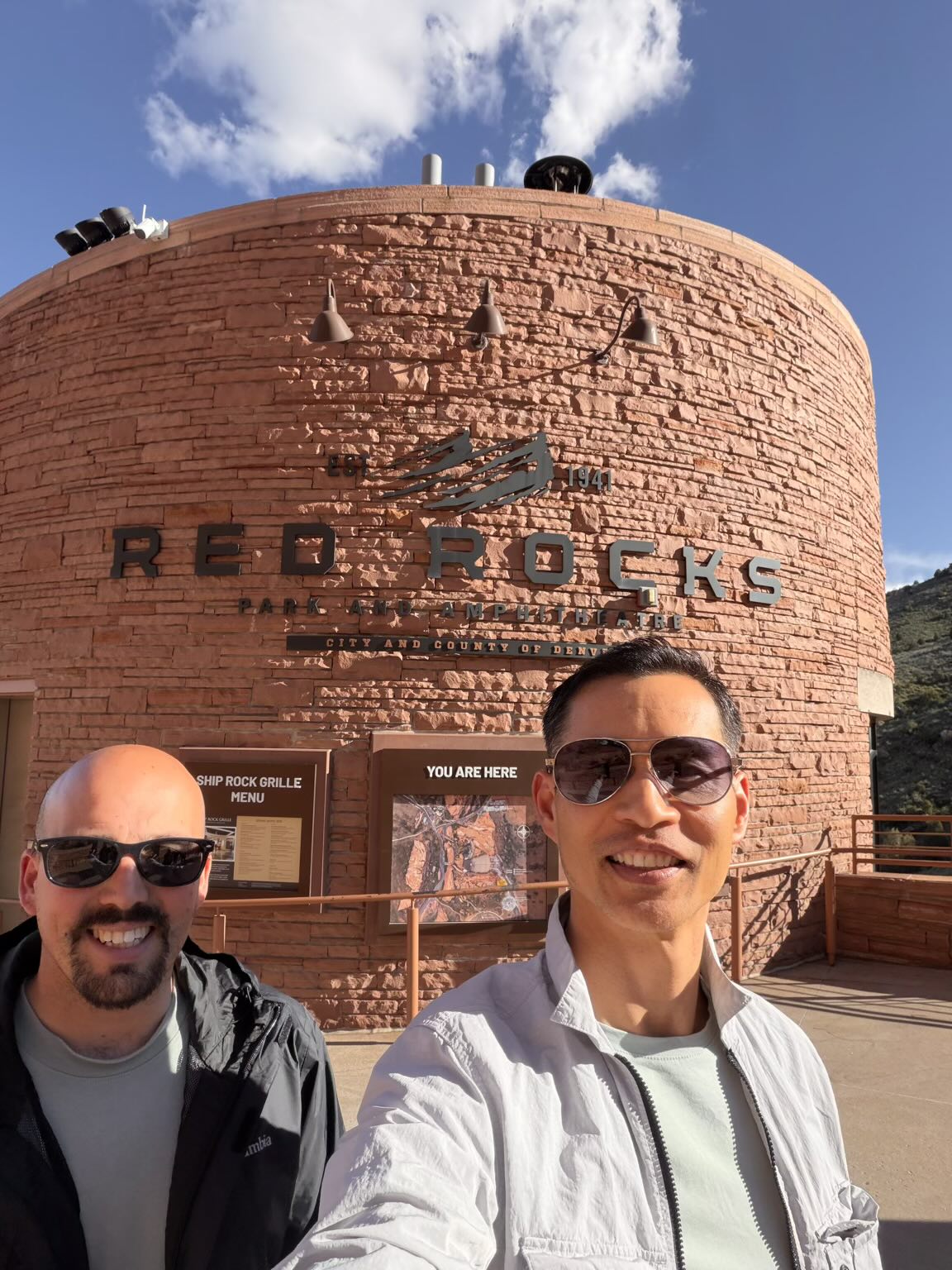
The show was advertised as starting at 6:00 p.m. I had no idea when it would end—the ticketing page was characteristically vague on that point—but assumed something like 9:00 p.m. Manuel and I arrived at 5:15 p.m., parked in the lower lot, and hiked roughly half a mile into the venue, including a flight of stairs steep enough to qualify as a warm-up. The line was long but moved efficiently.
The front rows sat empty for about an hour after doors, which is the concert industry’s way of reminding you that you are not actually in charge of your own evening.
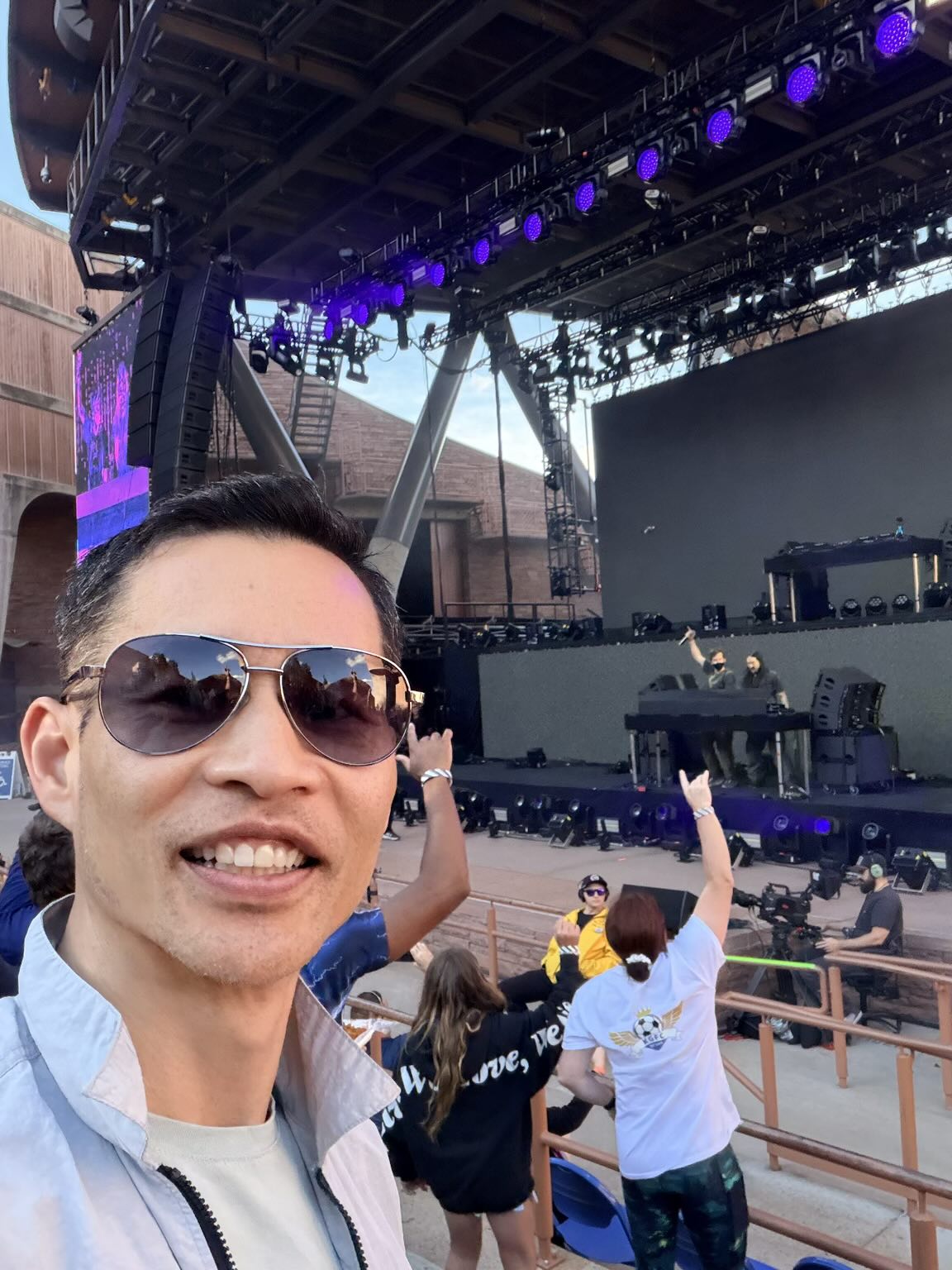
At 6:30 p.m., Alan Walker and Steve Aoki took the stage together under their joint project name, Lonely Club—a collaboration the two had formalized just months earlier with the release of their debut album Quantum Beats in December 2025. The duo’s concept centers on the emotional undercurrents of the artist’s life: the solitude between shows, the fear of losing what matters, the way music fills the silence. In practice, during daylight at Red Rocks, it mostly meant two guys in matching energy jumping around behind a console while a set of remixed, sped-up tracks—including some familiar Walker material—washed over the still-illuminated amphitheater.
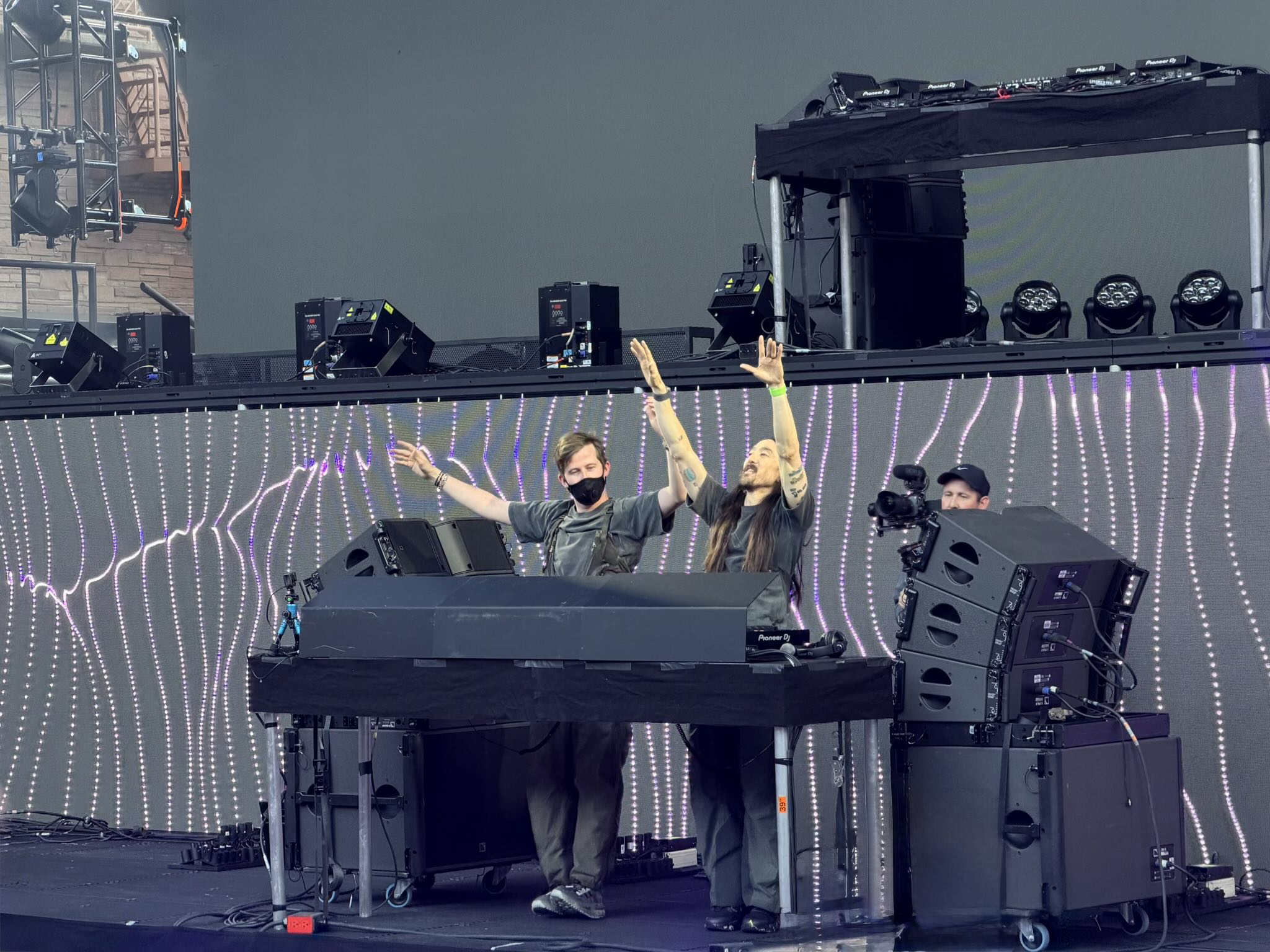
It was fine. The energy was there. But I’ll be honest: I would have preferred the original songs at their original tempos. A sped-up track feels like someone set the audiobook to 1.5x speed because they have somewhere to be.
Standing to my left during this set were two youngsters who had arrived in full Walker cosplay—black hoodies, black facemasks, the complete uniform. I assumed they were among the most committed fans in attendance. Inexplicably, they left after the Lonely Club set, before Walker’s main show, never to be seen again (at least not in their purchased spots). This was curious to me, but when I’d later learn that the whole event would be six hours, maybe not so much in hindsight.
Audien
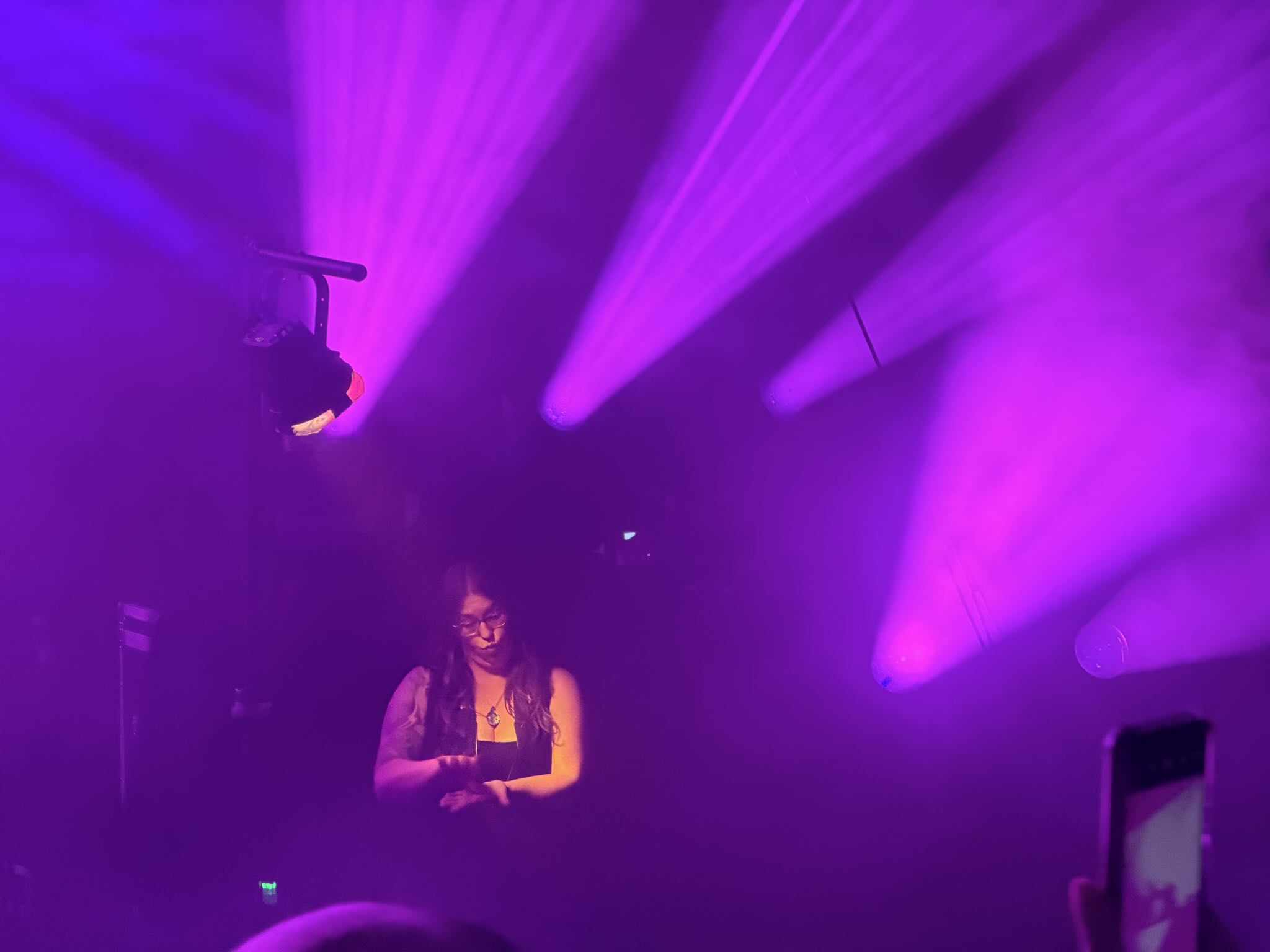
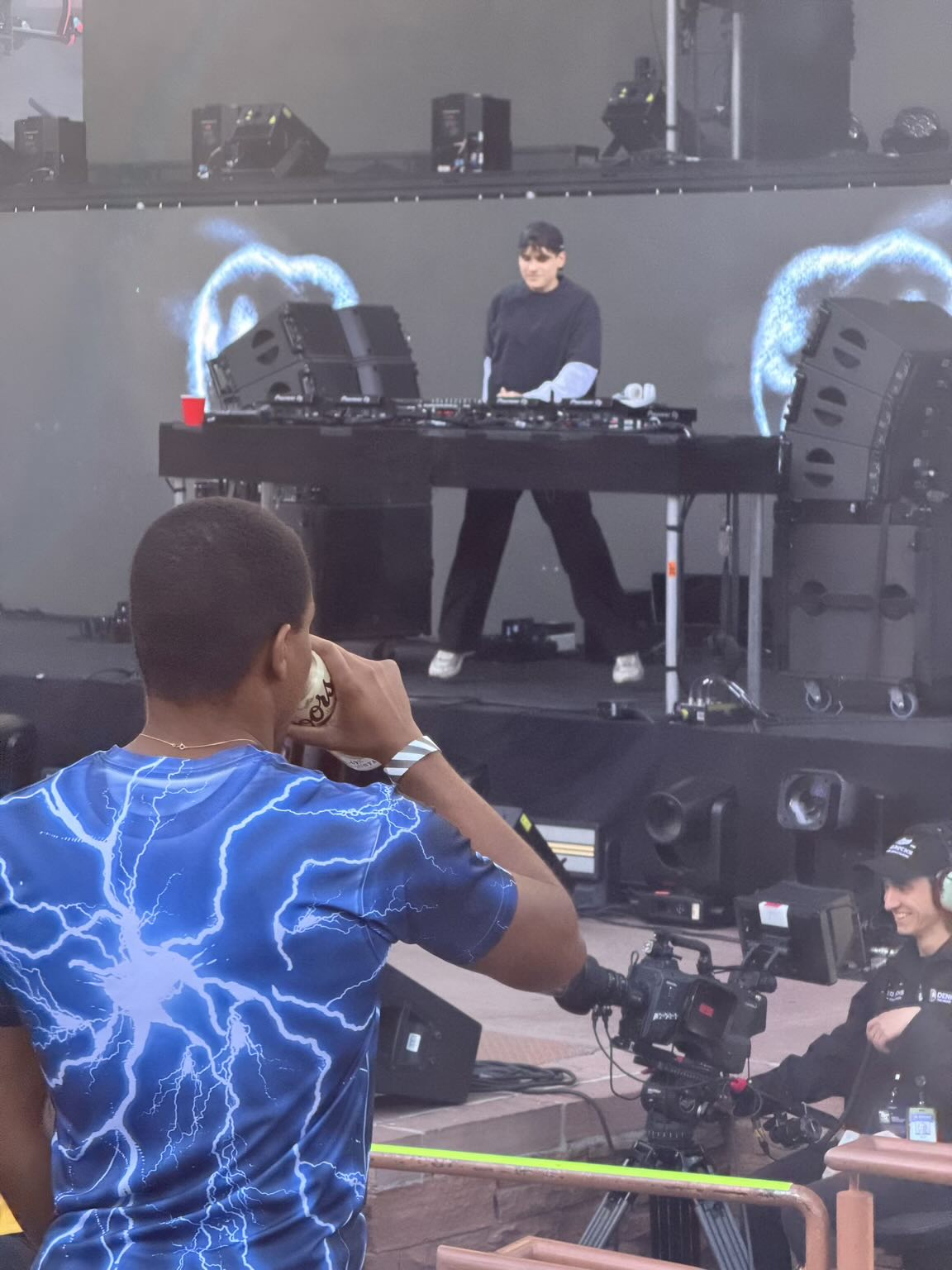
From 7:45 to 8:45 p.m., Connecticut-based DJ and producer Audien—real name Nate Rathbun, Grammy-nominated, known for progressive house and trance—played a set. I didn’t recognize most of his original material, but he wove in recognizable moments: a rework of an Adele song here, Michael Jackson’s “Thriller” there.
Even before (but especially during) Audien’s set, I started to appreciate having brought my Loop Experience 2 ear plugs. They attenuate the volume without flattening the sound—the music still arrives with its full frequency range intact, just at a level that won’t leave you recalibrating your hearing for three days afterward. Others around me were wearing the foam cylinders you find at hardware stores, and someone nearby asked me about mine. I don’t have a rigorous comparison to competing premium plugs, but I do know they sound substantially better than the dollar-store alternative—though I’d still reach for those over nothing.
I also noticed a woman stationed at the front of the crowd translating the music into American Sign Language. She would rotate with another interpreter throughout the night. I’m genuinely supportive of accessibility at live events, but I confess the image gave me pause: were there deaf concertgoers in attendance who had specifically come out to experience a concert that was (at least up to this point) built almost entirely around sound? If so, they have a more philosophical relationship with the concert experience than I do!
Alan Walker’s Main Set
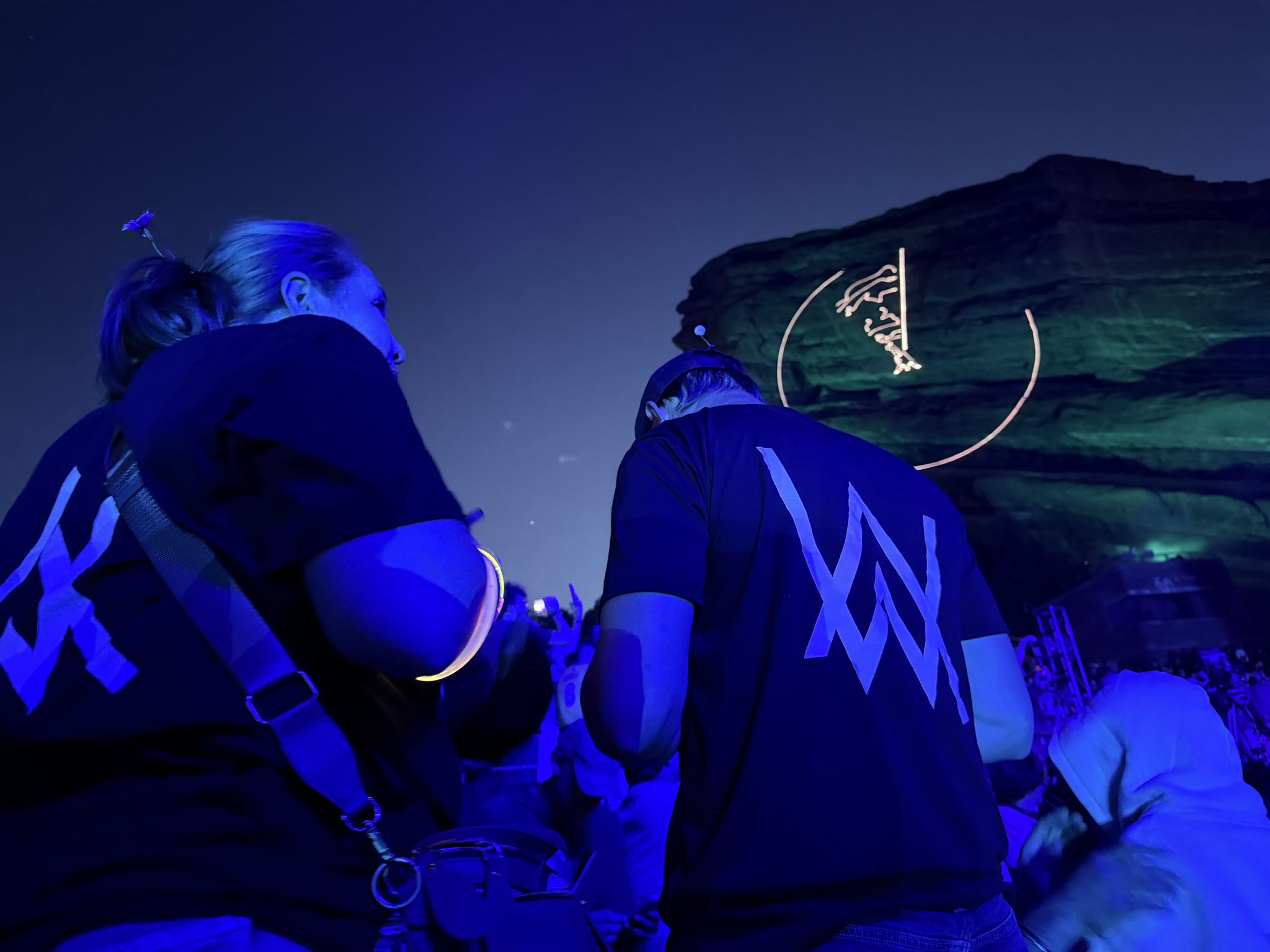
At 9:00 p.m., darkness having finally settled over Red Rocks, the main event began—and the difference from what had come before was not subtle. Where the earlier sets happened in the flat light of a Colorado evening, Walker’s headlining show arrived with lasers, strobes, and projections cast directly onto the red sandstone formations that frame the venue: geometric patterns, animated visuals, and—in a touch his fans would immediately recognize—the Alan Walker “W” symbol lit up on the rocks like a bat signal for EDM enthusiasts.
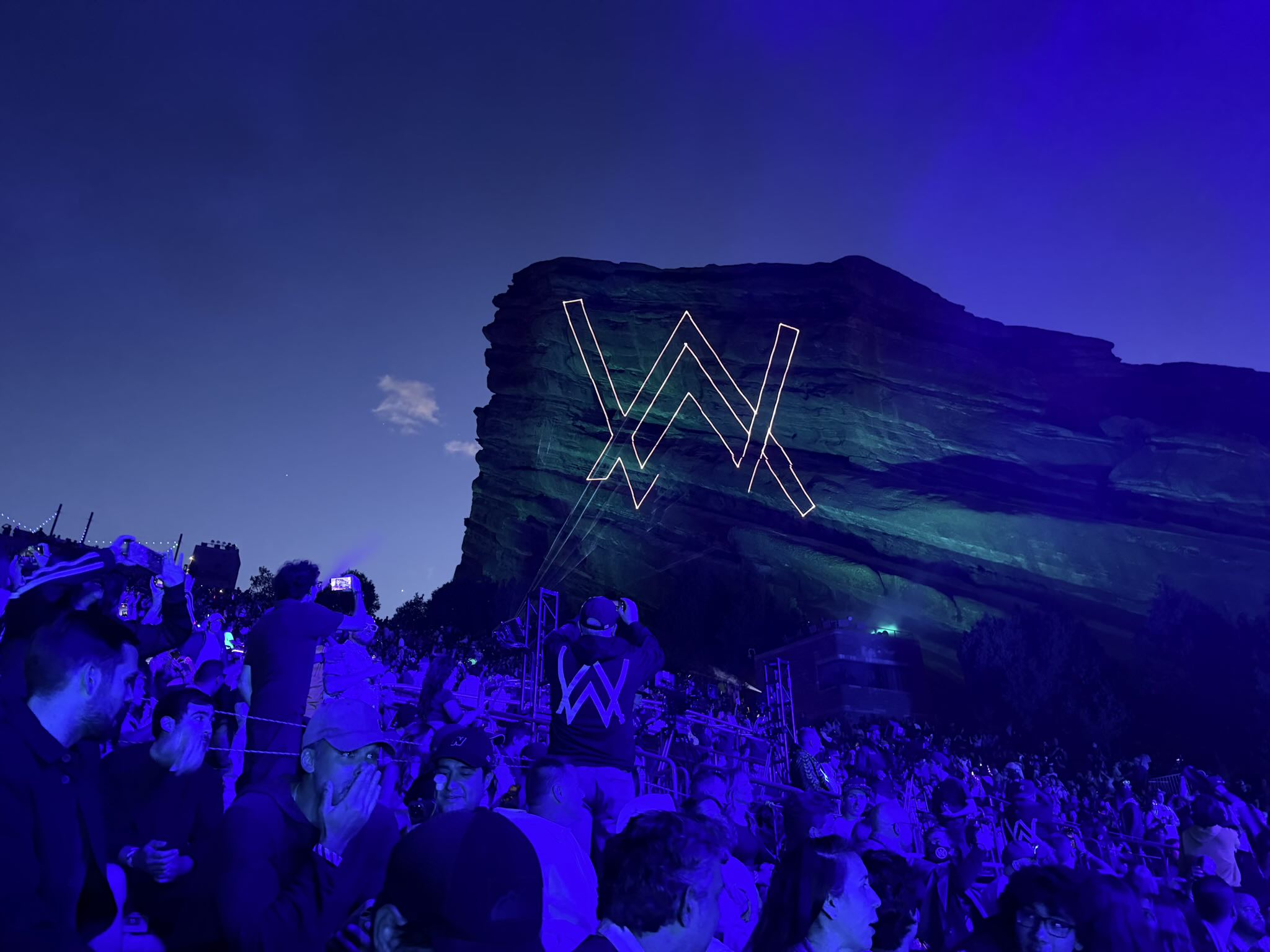
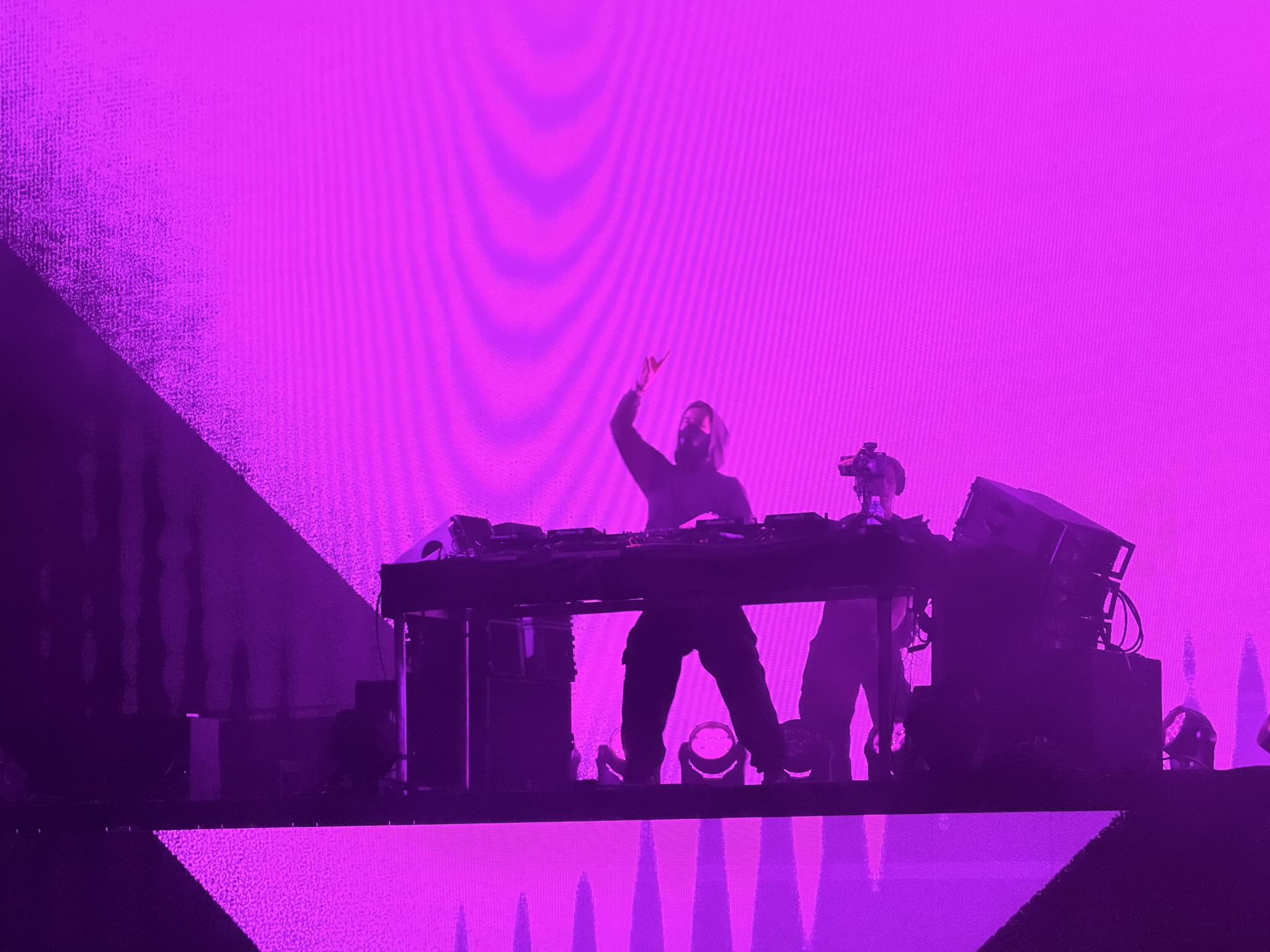
Walker himself was at the console, turning dials and hitting switches with apparent purpose. I had wondered, going in, whether any of this activity actually affected the music or whether it was purely theatrical. Having watched closely for two hours, I’m fairly confident it’s the latter, at least for the critical production elements—the kind of high-stakes live show running on precise sequencing is not something you’d leave to improvised knob-turning.
But here is where I came around on the performance: it doesn’t particularly matter. What Walker is doing up there is conducting energy. He’s facing the crowd, arms raised, jumping, pointing, cueing the audience to feel something at specific moments in the music. It’s closer to what Tony Robbins does at the opening of a seminar—generating collective momentum through physical enthusiasm—than what a traditional musician does. Or an orchestra conductor, minus the orchestra. Once I stopped thinking of it as a performance of music and started thinking of it as a performance of experience, it made more sense.
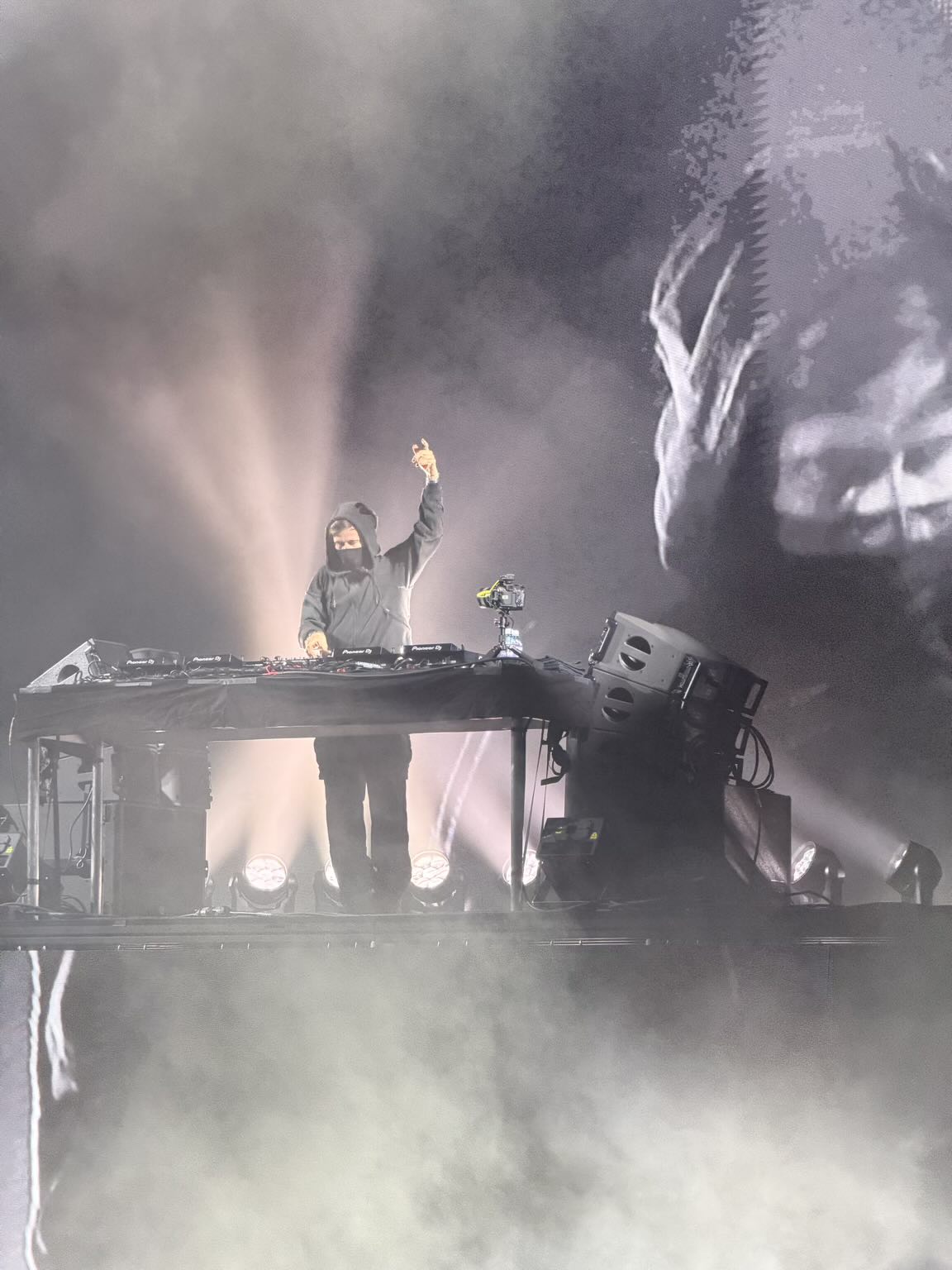
I was standing 95% of the time, jumping and moving with the music, and I can confirm it takes genuine energy to sustain. Walker had been doing it for hours.
Manuel had slipped away briefly to get food and take a break. When he returned, he reported that a vendor had told him the show was scheduled to end at midnight—six hours after the advertised start time. That is a long time to be standing at a concert. I like Alan Walker’s music; I have a couple of dozen of his songs on my phone. But even enthusiasm has logistical limits, and I do not enjoy going to bed after midnight when I have a 90-minute drive home. Manuel and I agreed to leave at 11:00 p.m., which would get us ahead of the parking lot exodus and still represent five hours of live entertainment—a reasonable return on the ticket investment.
Robin Packalen
Almost on cue with our decision to leave, the best segment of the night appeared: Finnish pop star Robin Packalen took the stage. Packalen—who has a genuine collaboration with Walker on the track “Dust”—is one of Finland’s all-time best-selling artists, which tells you something about his talent even if his name hasn’t yet crossed into widespread American recognition. He sang several Walker songs live, including “Hero,” originally recorded with Sasha Alex Sloan.
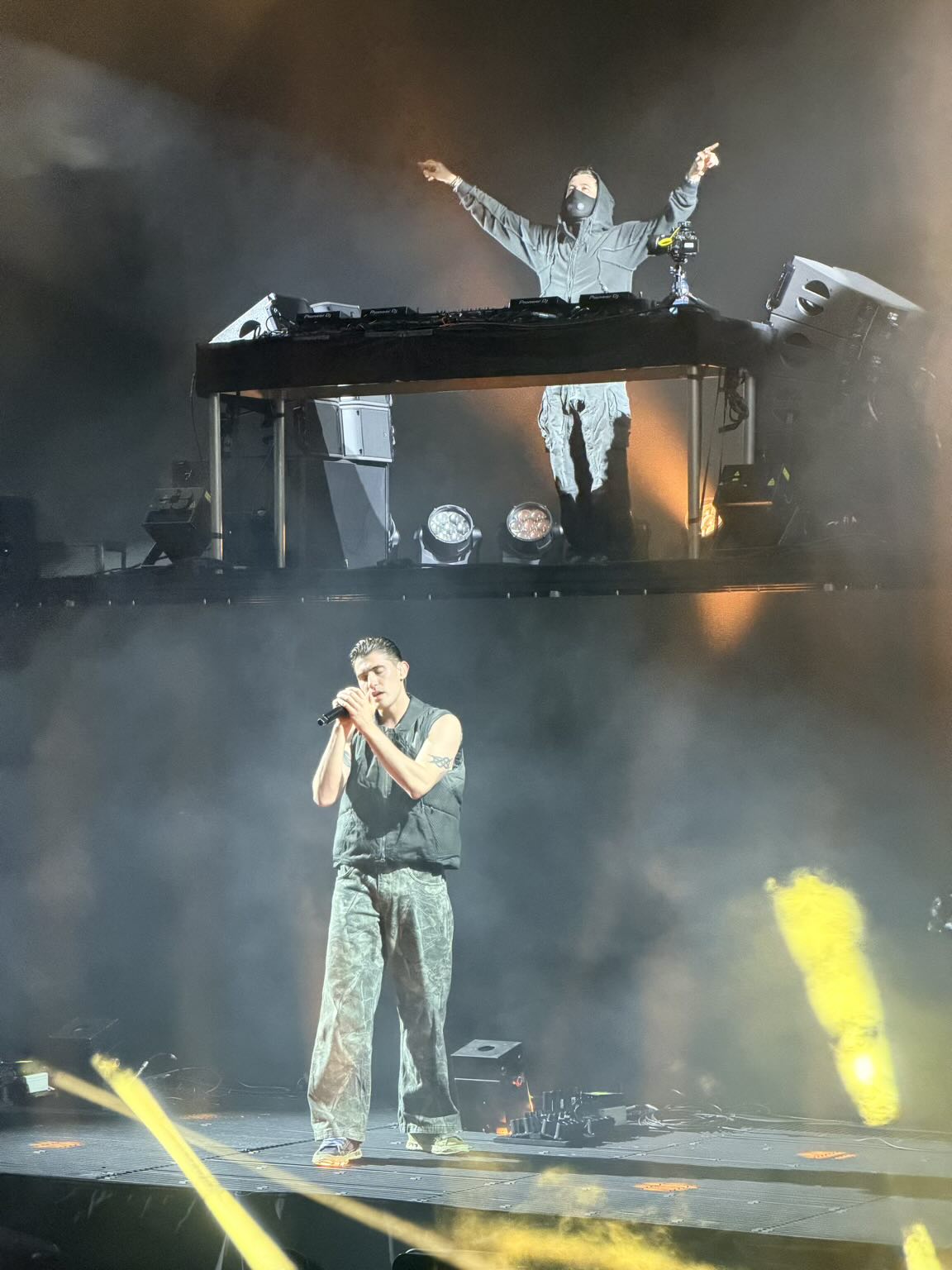
He was a natural performer: comfortable on stage, singing and dancing simultaneously, with the kind of charisma that makes an audience lean in. At one point he executed a backflip mid-set, which is not something you typically see from someone who is also carrying a vocal melody.
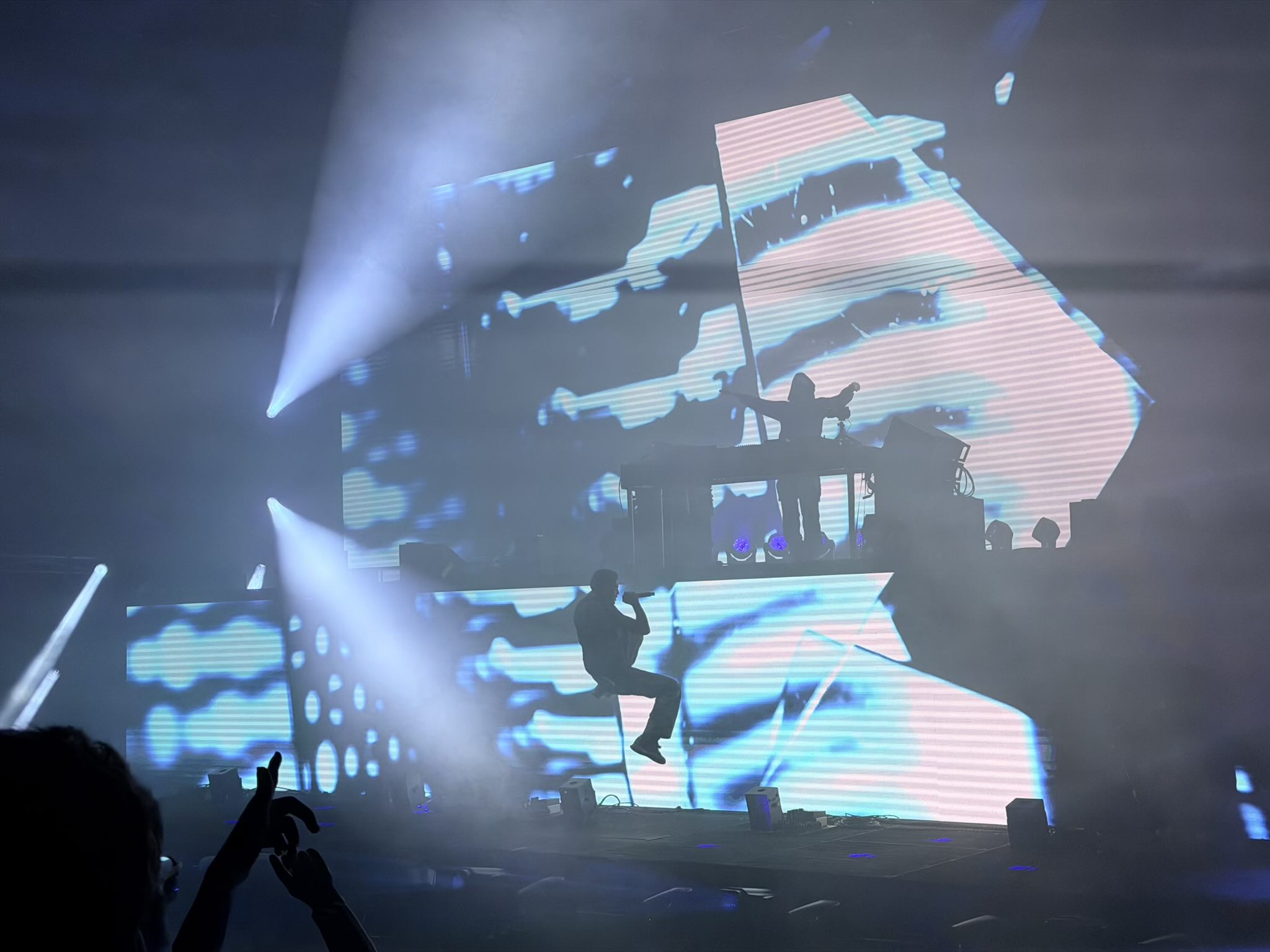
Packalen left the stage at 11:00 p.m., which is exactly when Manuel and I left anyway. We almost certainly missed the biggest songs of the night in the final hour, but we had already had five hours of it—in one of the most spectacular outdoor venues on the planet—and sometimes the right move is to leave before the encore and beat everyone to the highway.
Final Thoughts
Attending an Alan Walker concert raises a question I kept turning over during the drive home: how many people can actually do what he does? Strip away the lasers, the iconic venue, and the facemask, and you have someone jumping energetically while music plays loudly nearby. That description is reductive and slightly unfair—the music itself is the product of genuine compositional talent, and Walker earned his audience by writing melodies that have accumulated nearly 4 billion plays on a single song.
But the theater of the live performance is doing a lot of work. Robin Packalen’s segment clarified this for me. Watching someone sing and move and interact with a crowd in real time—doing something that is demonstrably difficult to fake—engages the audience differently. There’s a reason we have always been drawn to watching humans perform things that humans can do, especially as the things being automated expand.
I also came away with a renewed appreciation for the Jennifer Lopez concert I attended in Pontevedra last year. She walked on stage at 10:00 p.m. sharp and walked off at midnight, no encore, no filler. Two hours. The ticketing page told you what you were getting, and you got exactly that. Concert organizers generally owe the audience a stated end time, and the industry’s reluctance to provide one is a small but consistent act of disrespect toward people who have work the next day.
Still—Red Rocks, lasers on sandstone, a Finnish pop star doing a backflip, and five hours of music I genuinely like. Glad I finally made it.
Drone Video
There was at least one official drone frequently flying above us—and it’s stunning to see some of the video it managed to take. See the Instagram video below!