A Visit to Tucson, Arizona

I went to Tucson expecting a desert city with a few quirks, but what I found was a place full of contrasts—between marathon highs, cactus-covered hills, and a downtown that felt both vibrant and worn. The Biosphere 2 visit deserves its own write-up, so I’ll leave that aside for now.
The centerpiece of my trip was the Tucson Marathon. I knew it was billed as a downhill course, but the opening mile was steeply uphill under the desert sun, and that set the tone. The rest of the race flowed down toward Oro Valley along a recreation trail with sweeping mountain views, but the heat made it tougher than I expected. I crossed the line in 3:26:41, proud but drained. Recovery came in the form of a burger and NFL Sunday at Putney’s Pitstop, a dive bar that hit the spot. My Denver Broncos beat the Green Bay Packers that afternoon, which made the post-race meal taste even better.
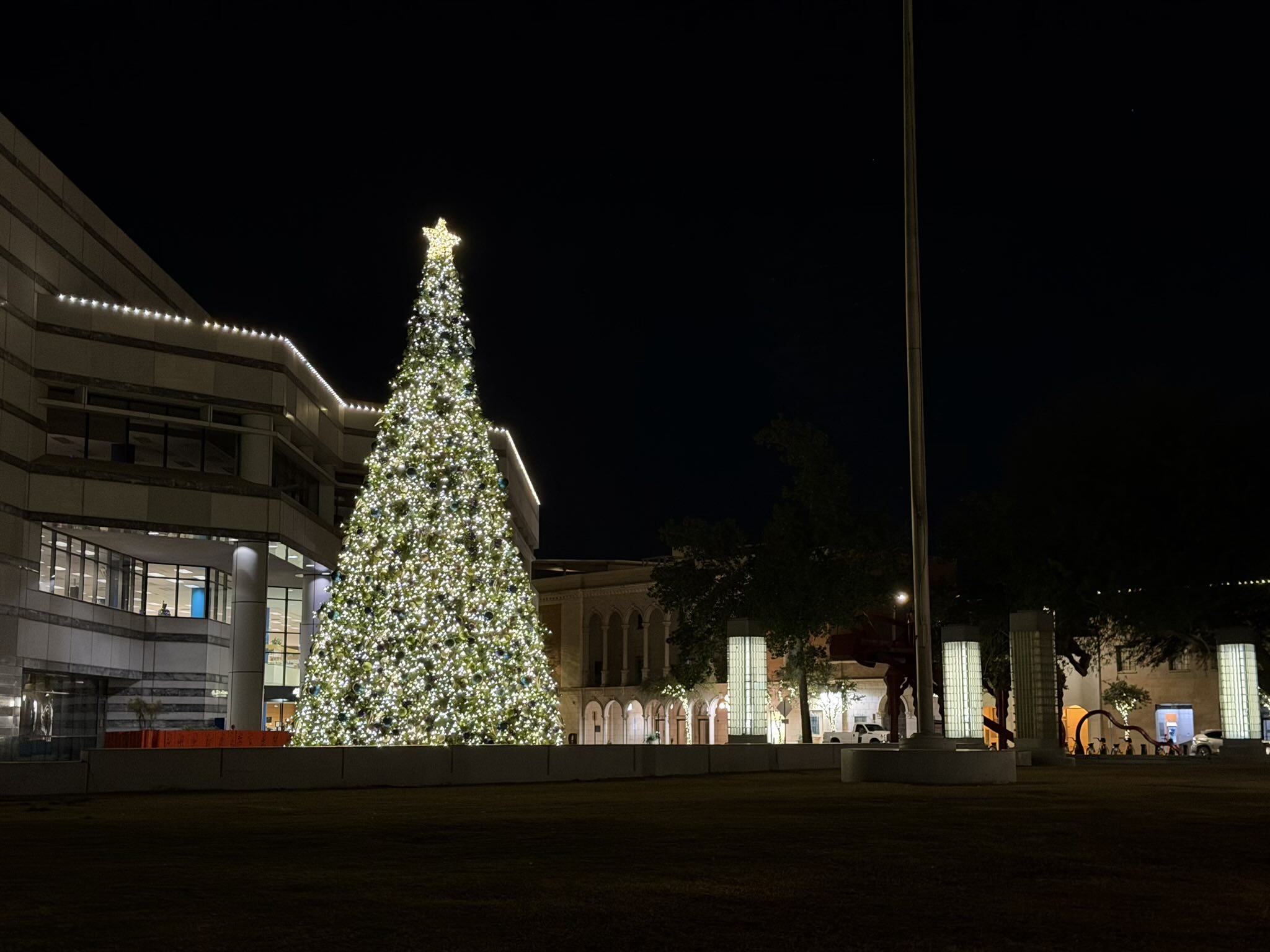
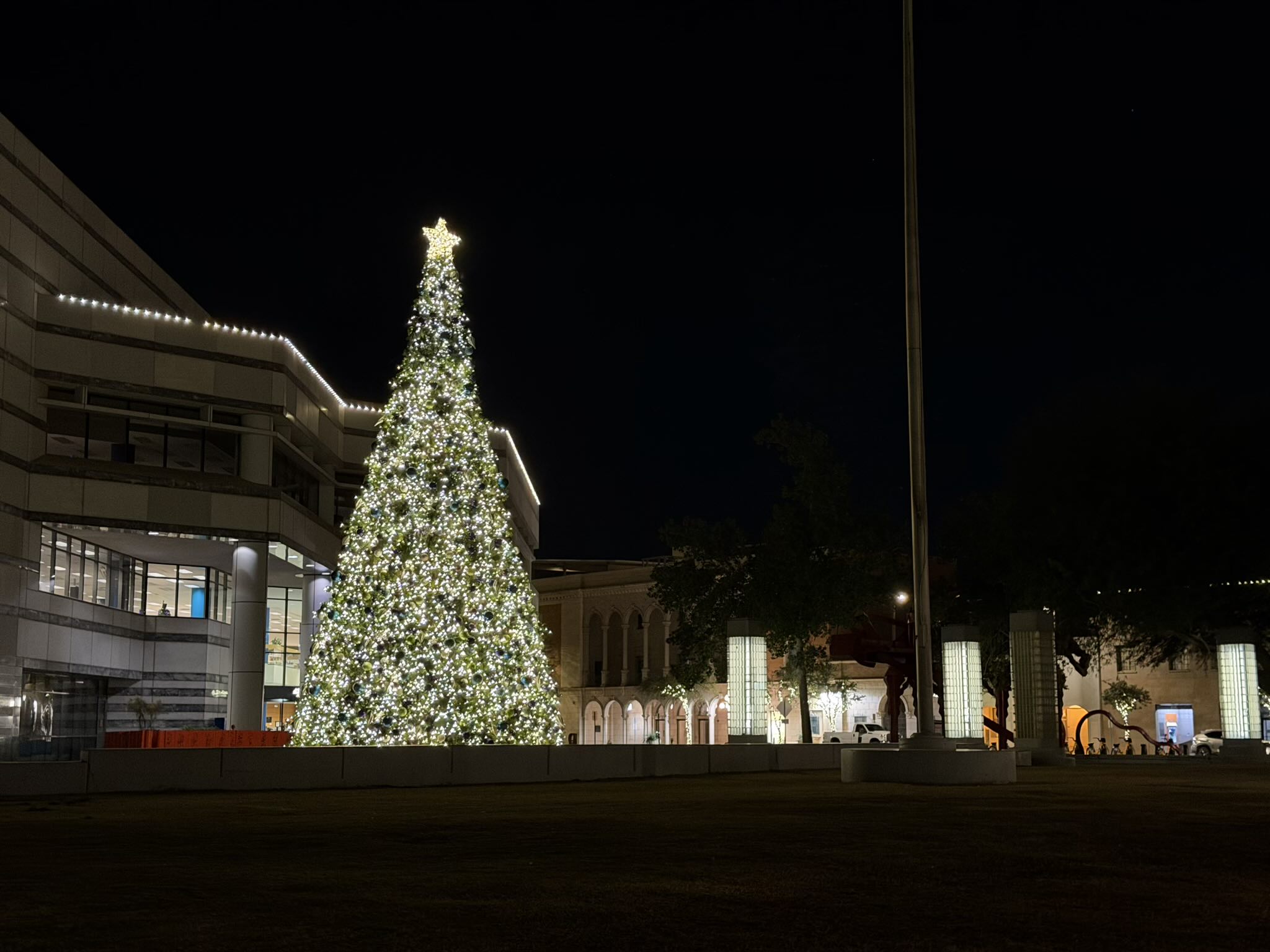
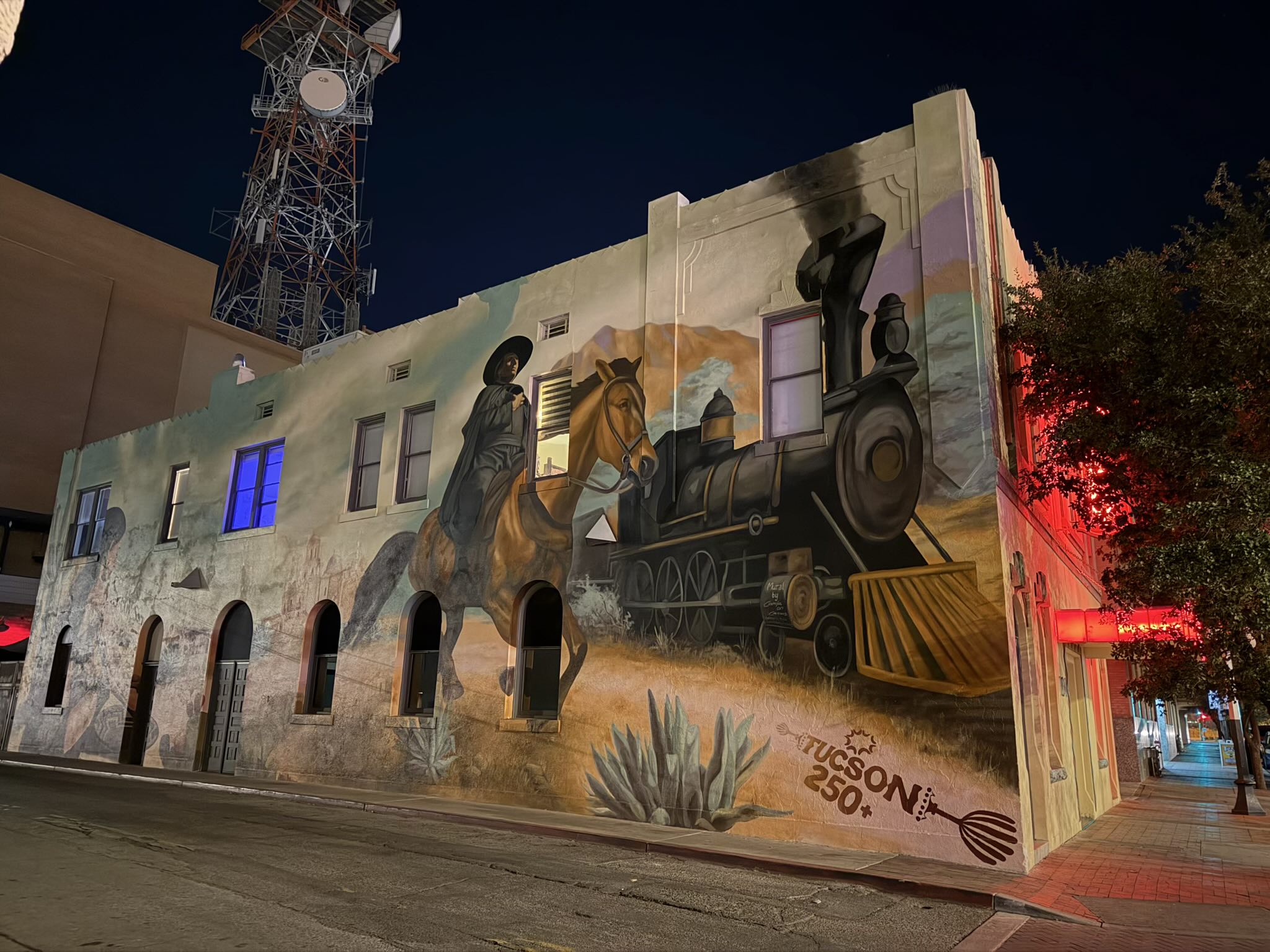
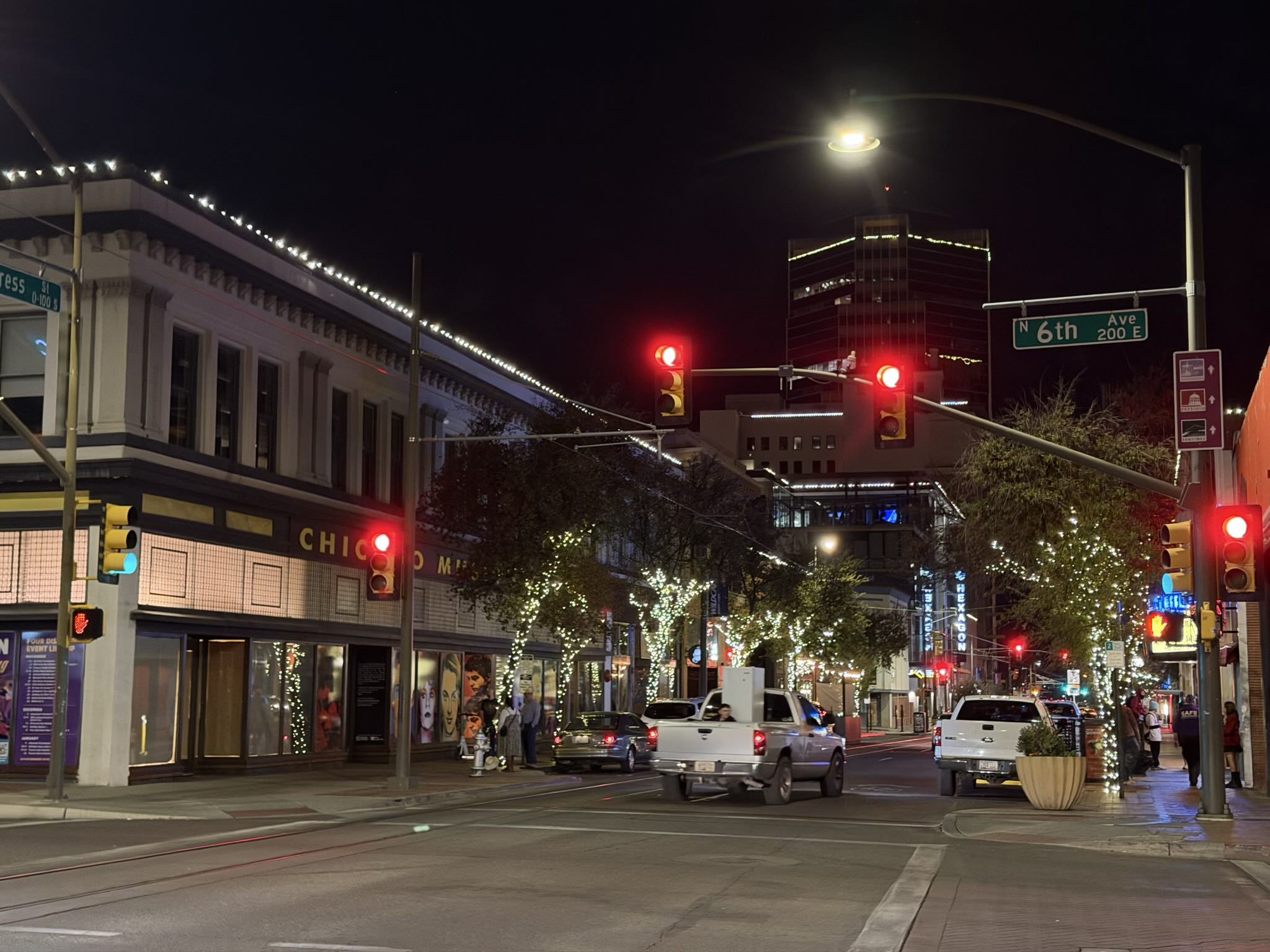
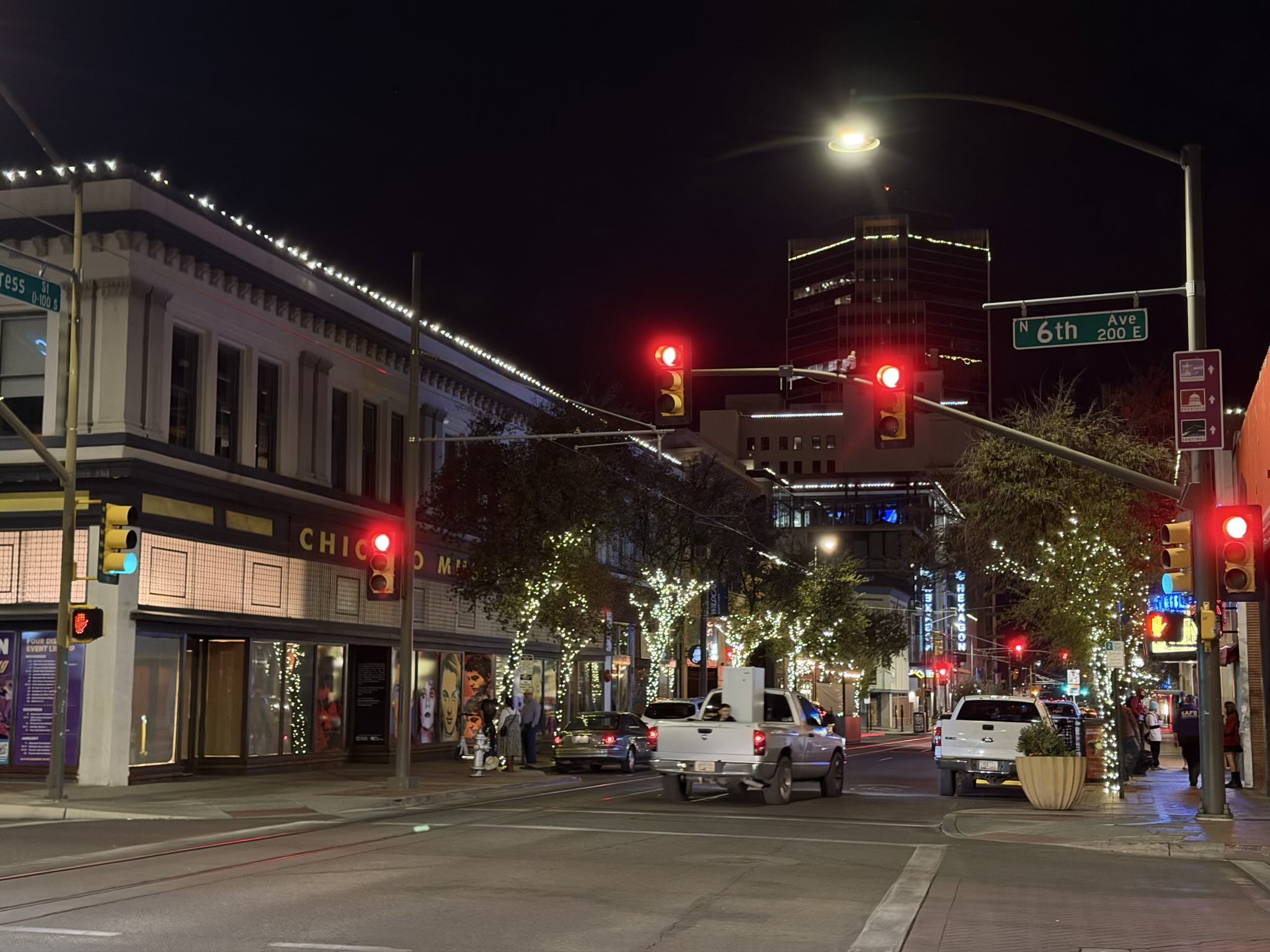
Downtown Tucson was another story. Congress Street is supposed to be the hub of activity, but when I drove through, it was practically deserted. Walking east toward the numbered streets, I found more people, though many shops were shuttered. The area had a noticeable homeless presence, which gave it a sketchy vibe. What surprised me most was the scale of the city—over half a million residents, nearly as large as Denver, yet with half Denver’s crime rate. Skyscrapers rise above parts of downtown, but between there and the Santa Cruz River, I saw urban blight: old homes with chain-link fences, broken sidewalks, and streetlights that didn’t work. Later I learned from Reddit that Tucson is very much a city of haves and have-nots, with wealth concentrated north of the river in expansive homes.
The job market reflects that unevenness. Tucson’s labor force has grown, but unemployment hovers around 4.6–4.8%, higher than the state average. Sectors like manufacturing and construction have struggled, while healthcare and education remain steady. It’s a city where opportunity exists, but not evenly distributed.
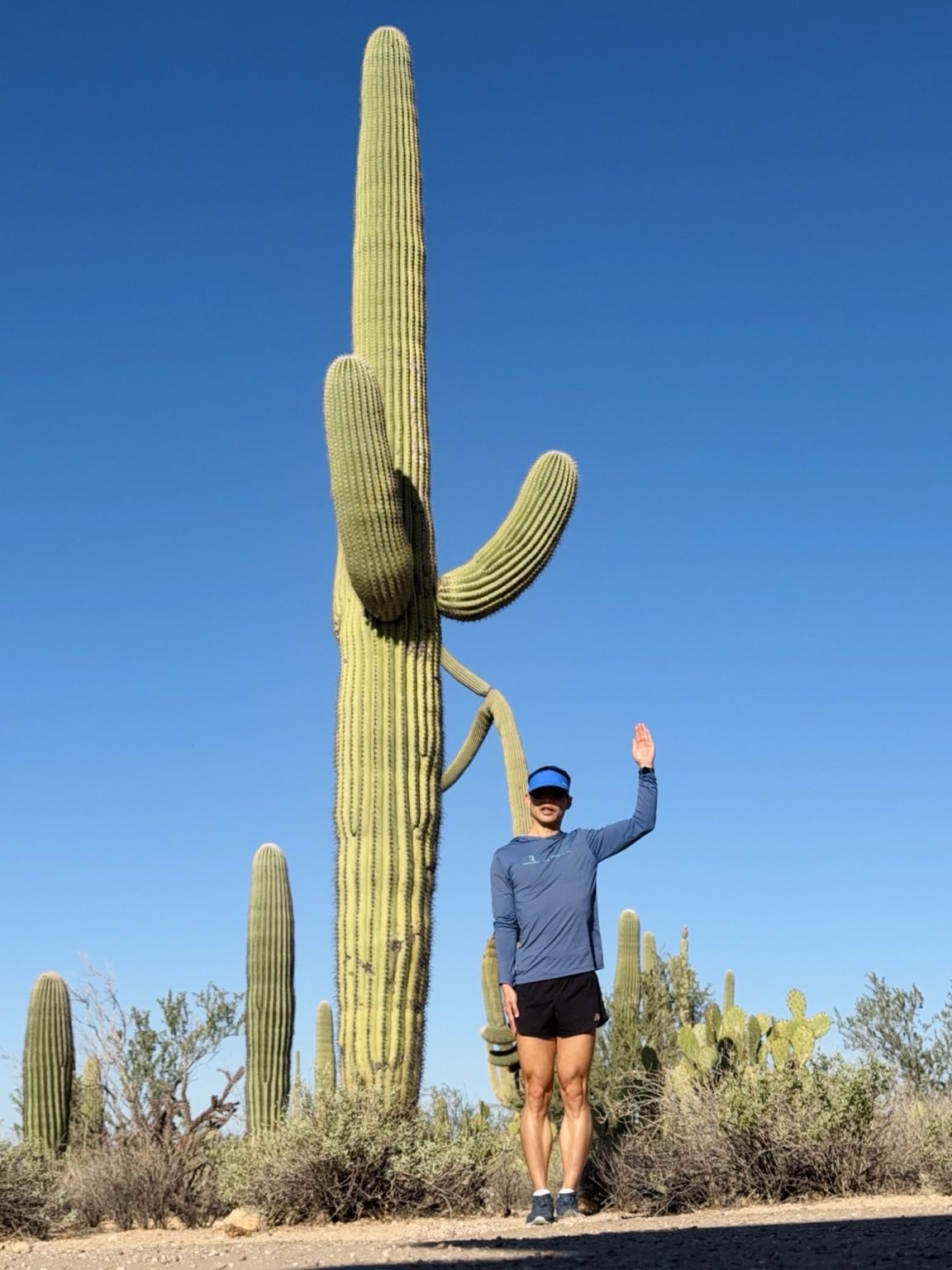
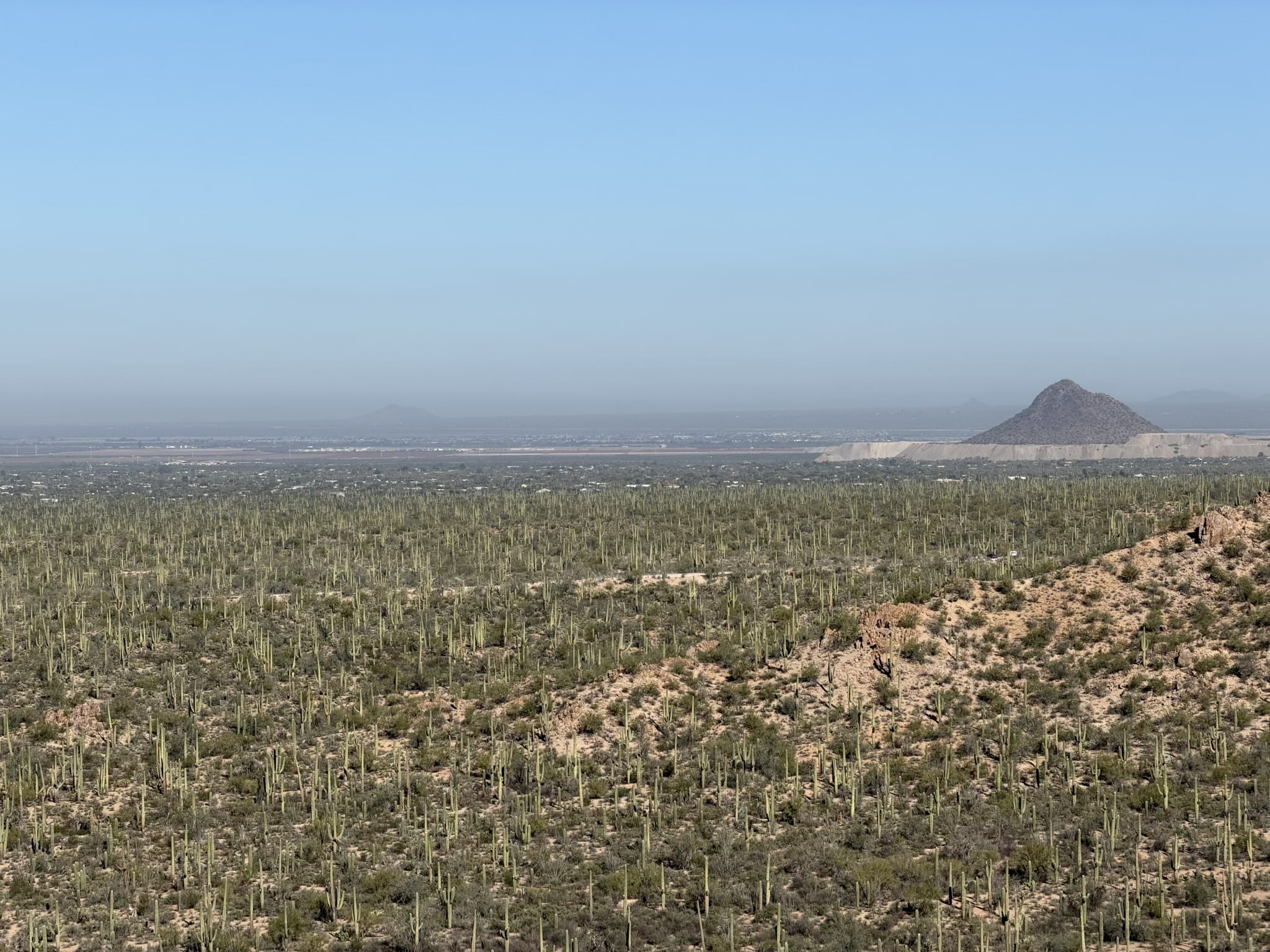
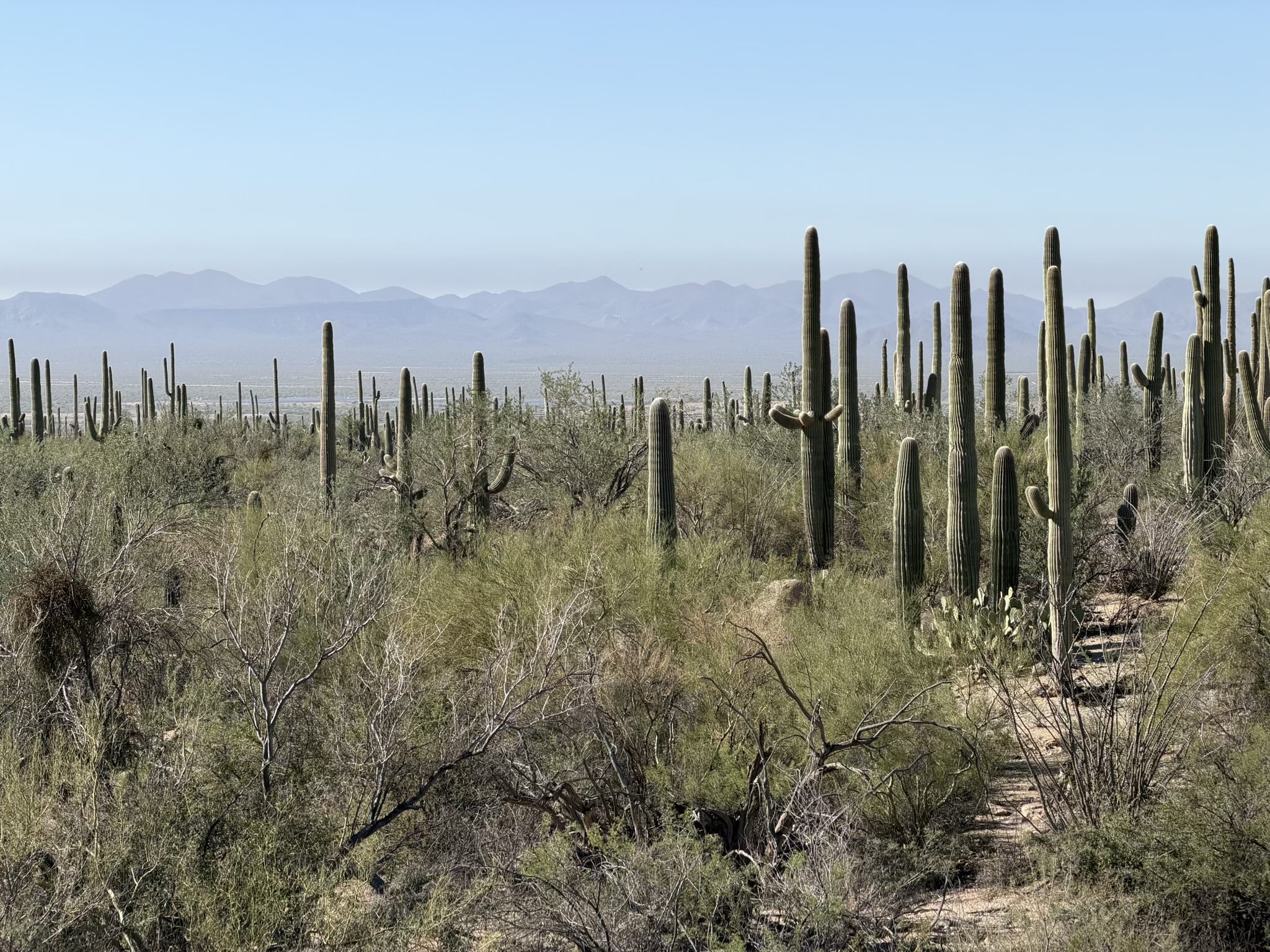
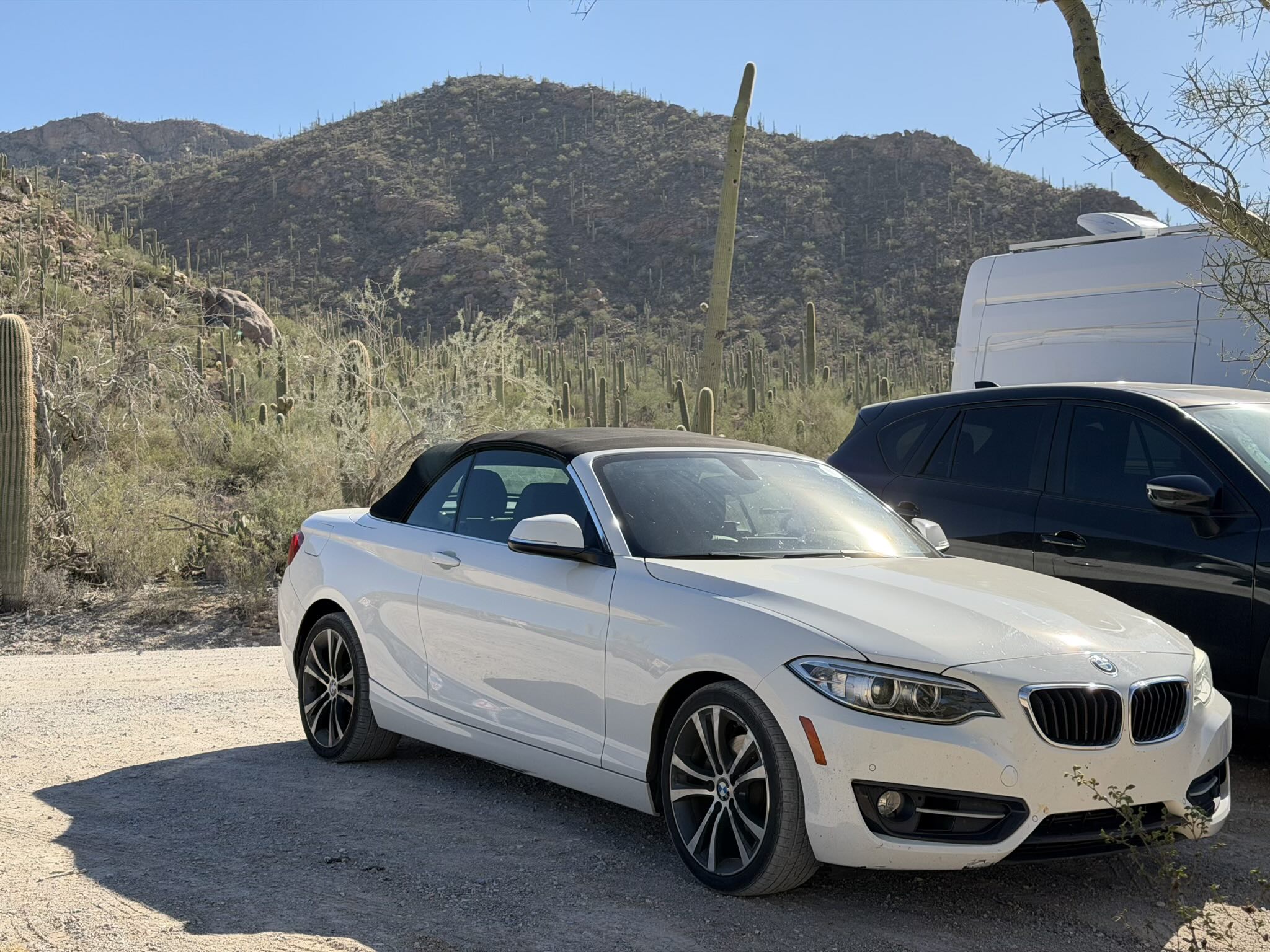
Weather-wise, Tucson has an edge over Phoenix. At higher elevation, it’s warm but more comfortable, except for the six weeks of peak summer heat. That climate makes outdoor recreation appealing, and I carved out time to hike in Saguaro National Park West (Tucson Mountain District). It took about 45 minutes to reach the entrance, and the views of cactus-covered hills were spectacular. Still, after a while, the landscape felt repetitive—once you’ve seen one saguaro, you’ve seen them all. For budget travelers, roadside turnouts offer nearly the same photo ops without paying the $25 vehicle fee. The Rincon District lies farther east, but I didn’t make it there.
Tucson sprawls across the desert, with neighborhoods stretching far and wide. Locals praise the friendly vibe, recreation opportunities, and food scene, though opinions vary. I left with a sense of a city balancing growth and struggle, beauty and blight. And one fun discovery: Matthew Riccitello, recently named Velo’s American Cyclist of the Year (2025) for his 5th-place finish in the Vuelta a España, is from Tucson—a reminder that this desert city produces world-class talent alongside its rugged charm.
I could understand the appeal of Tucson by the time I left. The city has a laid‑back rhythm, warm weather that’s more forgiving than Phoenix’s, and desert scenery that—if you’re into it—offers endless views of saguaros standing like sentinels across the hills. Add in a relatively low cost of living, plenty of recreational opportunities, and the convenience of being just ninety minutes from Phoenix and close to the Mexican border, and it makes sense why lots of people choose to call Tucson home.
There are 2 comments.
You've taken some great pics of the Tucson Sonoran Desert, here. As well as downtown. Enjoyed seeing your experience! Even though you expressed some drawbacks.
One thing you mentioned, with the difference in run-down areas compared to the foothills north of River Rd., I feel part of that effect comes from the average wage here, for average people. Many who live in those run-down areas work two jobs, and may not even have health insurance.
Our whole family, from children & grandchildren, loves living here. It's certainly changed and expanded over the years.
Thanks, Karen. I'm glad you enjoyed the photos and found my experience in Tucson relatable. You bring up an important point about the economic factors that contribute to the differences you see in neighborhoods.