Chipotle in London: A Colorado Surprise Abroad

Chipotle and I go nearly a decade back—long before I ever imagined I’d be eating it in the middle of London. The chain was born in Denver, Colorado, an hour-ish down the highway from my hometown of Fort Collins, so it felt like a local success story that somehow grew into a global phenomenon. I first heard about it not from Colorado friends, but from Tim Ferriss’ The 4-Hour Body well over a decade ago.
In the book, Ferriss explains why Chipotle works brilliantly for his preferred Slow-Carb Diet: the menu is built around modular components, so swapping rice for vegetables or skipping tortillas entirely to hit your macros target is effortless. He even mentioned an adherent, Eric Foster, who created what became known as the “Chipotle Diet,” claiming the food “tasted just as good as if I hadn’t made any changes at all.” The whole point was that Chipotle’s structure—simple substitutions, no fuss—made it one of the most cost-effective and enjoyable ways to stay on track nutritionally without feeling like you were sacrificing anything.
While I have never shied away from rice—particularly brown rice—part of Chipotle’s appeal has always been its emphasis on fresh ingredients and, where possible, responsibly sourced or organic components. Whether every single item is organic varies by region and supply chain, but the brand’s whole identity leans heavily toward transparency, quality, and food that tastes like actual food. Almost all ingredients are minimally processed with the main exceptions being tortillas, cheese, and sour cream—and you can leave all those out of your order if you wish.
Chipotle is technically “fast-casual,” but in practice it’s faster than any fast-food restaurant I’ve ever visited. It’s quicker than McDonald’s (and obviously much healthier) and totally embarrasses the various Subways I’ve endured over the years, where waiting 10 minutes—sometimes 40—for a sandwich is not uncommon.
Chipotle, by contrast, is a model of efficiency, thanks to their assembly line structure that would make Henry Ford and industrial engineers proud. I really appreciate that you can see the food being made every step of the way, instead of having to place (and pay) for an order and then having to wait who knows how long for it to be completed—assuming the employees hadn’t forgotten about it—like you do at most fast food restaurants including Taco Bell.
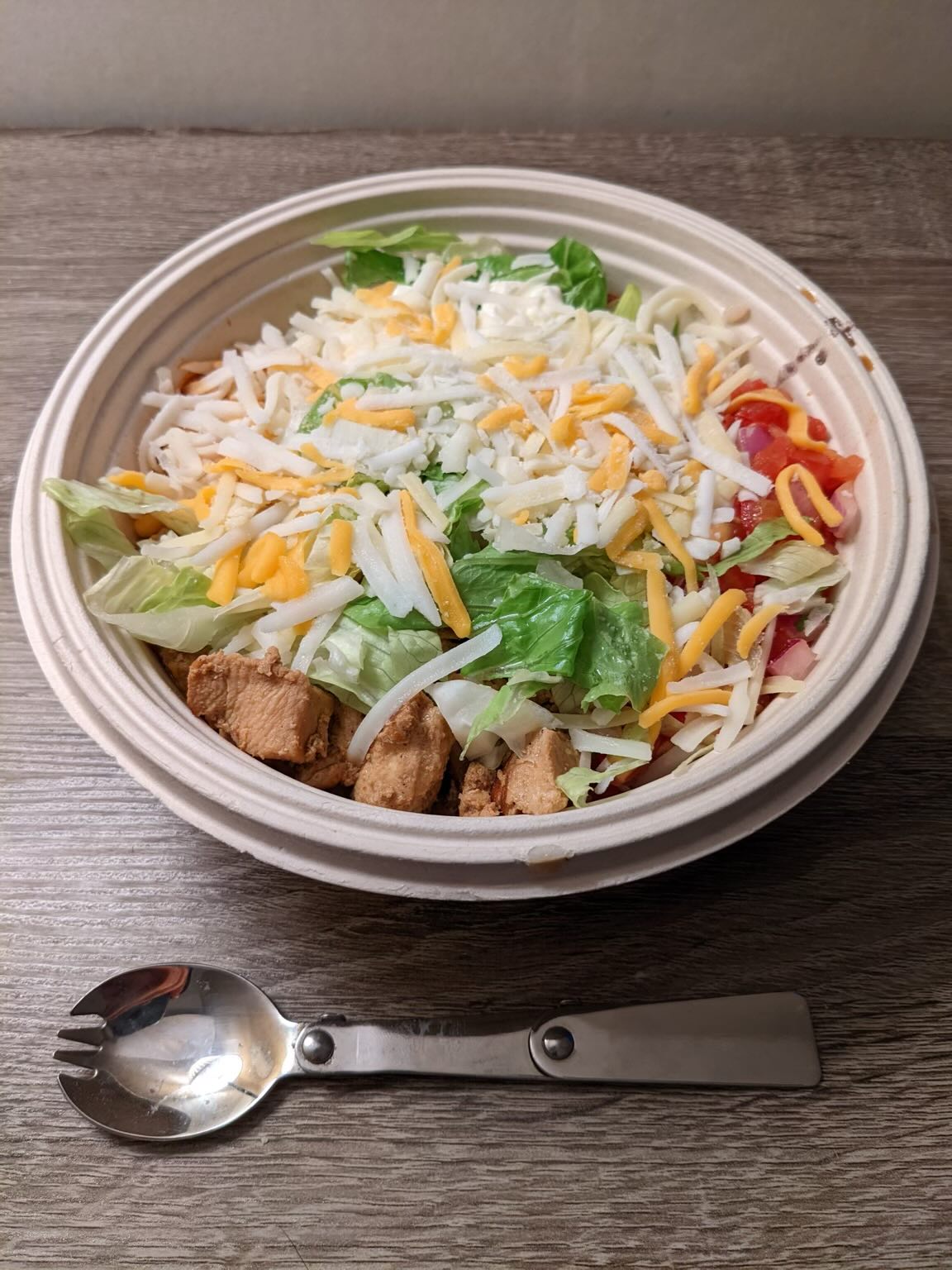
My go-to order has barely changed in years: a chicken burrito bowl with brown rice, black beans, chicken, pico de gallo, hot salsa (hello capsaicin!), cheese, and—as I always specify—“a lot of lettuce.” If I’ve been light on calories that day, I’ll add sour cream or have a burrito instead as it has a partially whole-wheat tortilla. Sometimes I’ll even ask for guacamole—it’s antioxidant rich with healthy fats—even though it costs extra. Regardless of what I order, it’s simple, satisfying, and reliably delicious.
Another thing I appreciate is the minimal packaging waste. If I say it’s “for here,” the burrito bowl arrives in a compostable container with no aluminum lid. I usually bring my own foldable metal spoon, which feels like a tiny personal victory against single-use cutlery, along with my own water bottle.
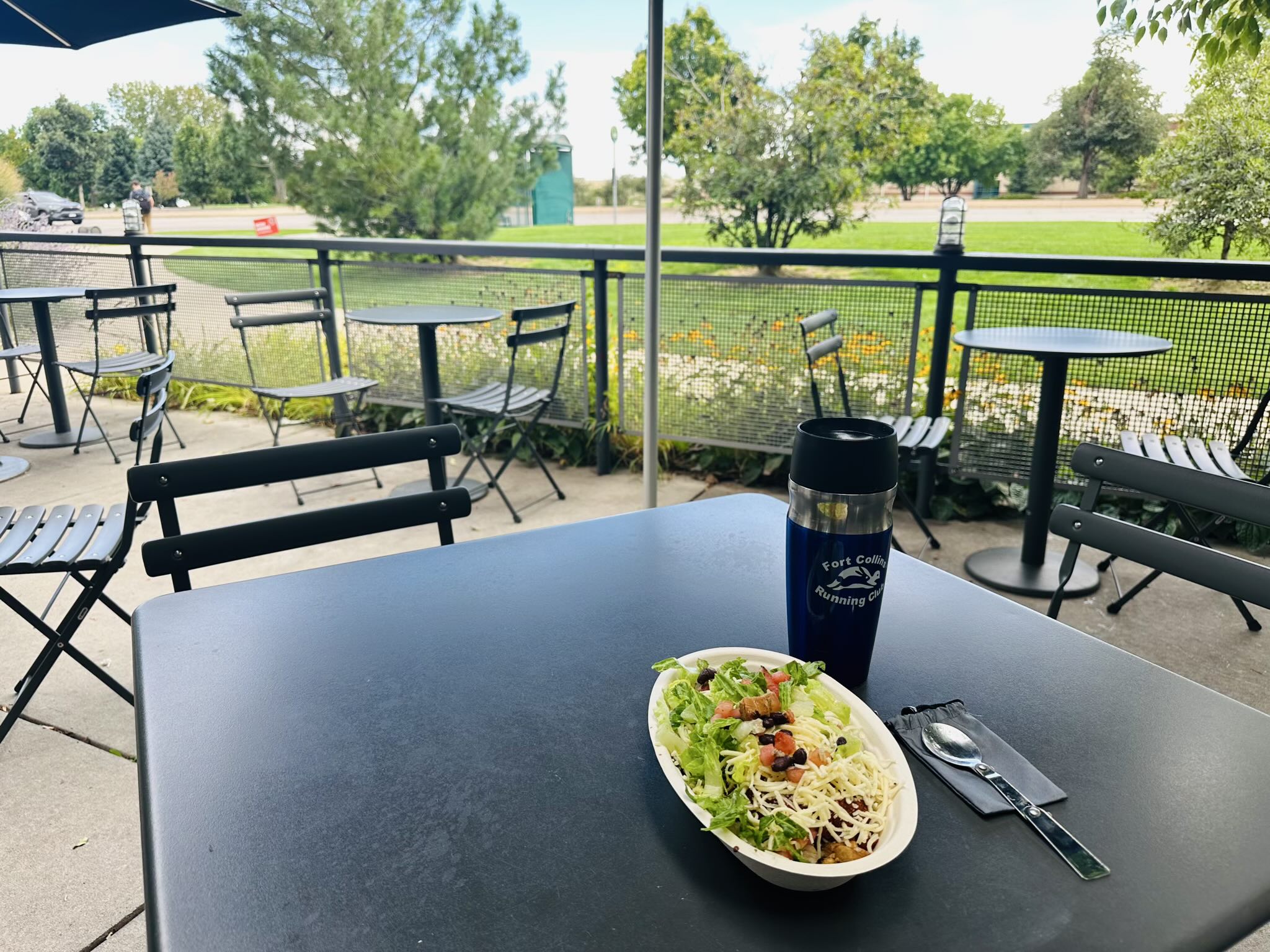
One of the few things I genuinely miss when living in Spain—despite Spain’s incredible food culture—is Chipotle. Madrid does have its own knock-off, Tierra Burrito Bar, which mimics the concept almost exactly but with Spanish-sourced ingredients. The taste is somewhat different, but it still scratches the itch when I desire that burrito-bowl comfort in Spain’s capital city.
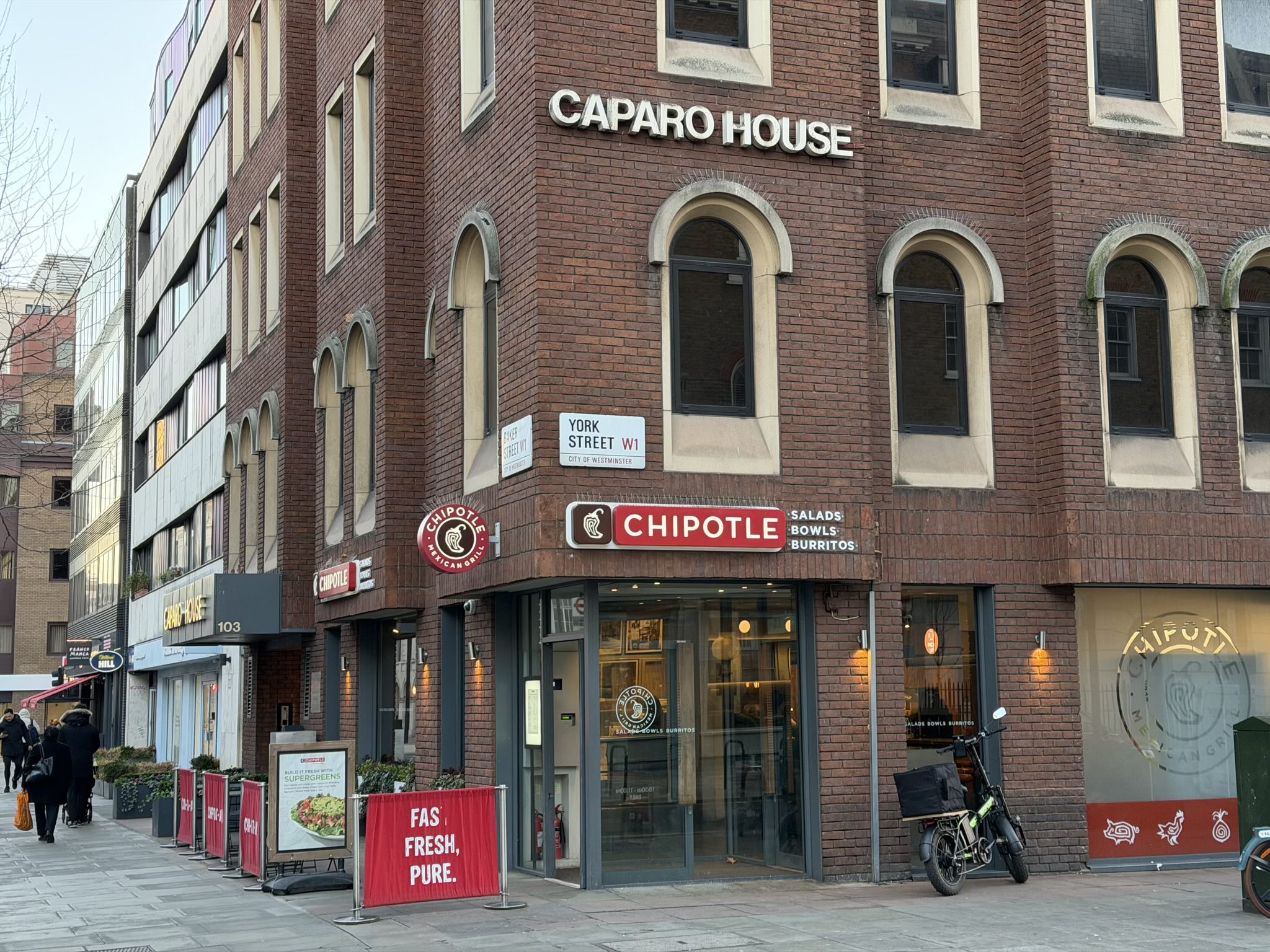
This New Year’s, I spent the holiday in London, and one of my hotels was on Gloucester Place north of Hyde Park. While walking to Sainsbury’s Local for some groceries, I glanced across the street and did a double take: Chipotle. In London. I did not even know they had a presence in the U.K., so stumbling upon one unexpectedly felt like running into an old friend abroad.
Naturally, I had to try it. I even did takeaway for dinner tonight.
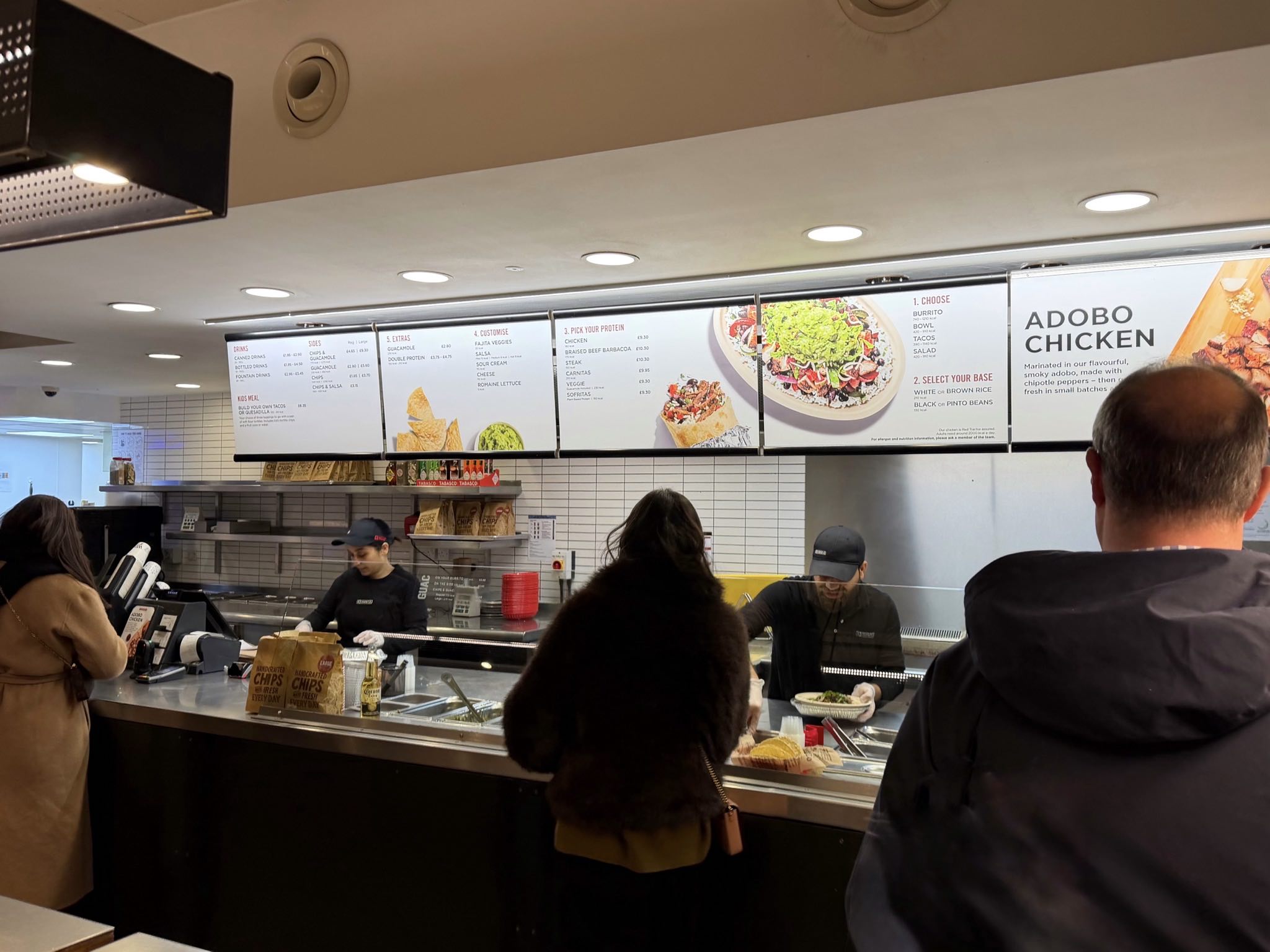
The verdict? The burrito bowl looked and tasted exactly the same as in the U.S.—same flavors, same textures, same satisfaction. The only difference was the price: £9.30, which comes out to $12.56. That’s about 31% more expensive than in Fort Collins, where the same bowl runs $9.56 (around £7.07) when factoring in sales tax.
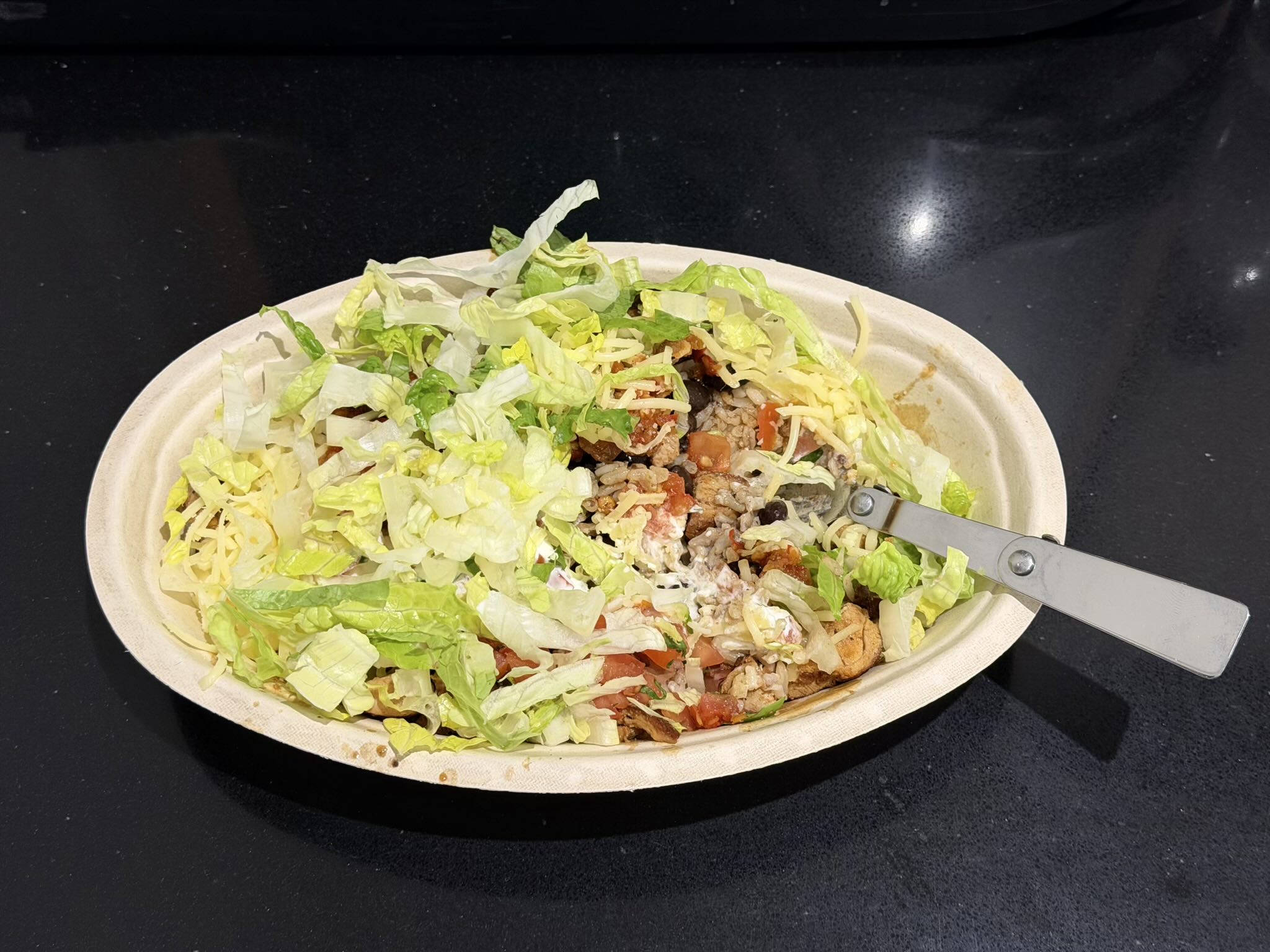
In Tempe it was $10.11 and in Tucson $10.82 including tax, though Arizona’s high sales tax inflates those numbers. London is one of the most expensive cities in the world, so the premium wasn’t surprising—just noticeable. And even at London’s price, I think it is a good value considering the quality and quantity of food you are getting. My friend Angie assures me that the same order would have an even higher price tag in San Francisco, although that is something I haven’t fact-checked.
Seeing Chipotle in London piqued my curiosity as to how many are in the United Kingdom, and what countries abroad it has already expanded to. Upon doing some quick research, I learned that there are currently 21 of the restaurants in U.K., with 17 of them being in London. Beyond the U.S. and U.K., Chipotle has opened locations in Canada, France, and Germany, with a handful of stores in major cities like Toronto, Paris, and Frankfurt.
So clearly—especially when you keep in mind that Colorado alone has 90 Chipotles as of late 2025—it’s not a global chain on the scale of McDonald’s or Subway. But it has planted itself in enough international hubs that you may occasionally stumble upon one in the wild, just like I did in London.
There’s something oddly comforting about that, even though I am very aware that there are plenty of tasty food options in London—including some of the best Indian food I’ve ever tried. No matter where I am—Colorado, Arizona, Madrid, or wandering around The Big Smoke on a chilly January evening—a chicken burrito bowl with brown rice, black beans, pico, hot salsa, cheese, and a mountain of lettuce tastes like home.