Zaragoza, Spain: Big Fourth City, Small-Town Feel

A total solar eclipse will make you do strange things, like book two nights in a city you have never so much as glanced at on a map. That is how I found Zaragoza, Spain. It was Anthropic’s Claude that suggested it, and I had to look the place up twice because I did not believe any city that important could be this incognito. The gamble paid off on August 12—you can read the whole eclipse report—but the city itself turned out to be the better surprise.
A couple of days after I booked my rooms, a student at VaughanTown Balneario Alhama de Aragón—where I was volunteering for the week—told me she had grown up in Zaragoza and loved it. She gave me her list of what to see, and it came out nearly identical to Claude’s list—even a computer and a local could not disagree. A week later, I stepped off the high-speed train from Madrid—about an hour and a half “commute.”
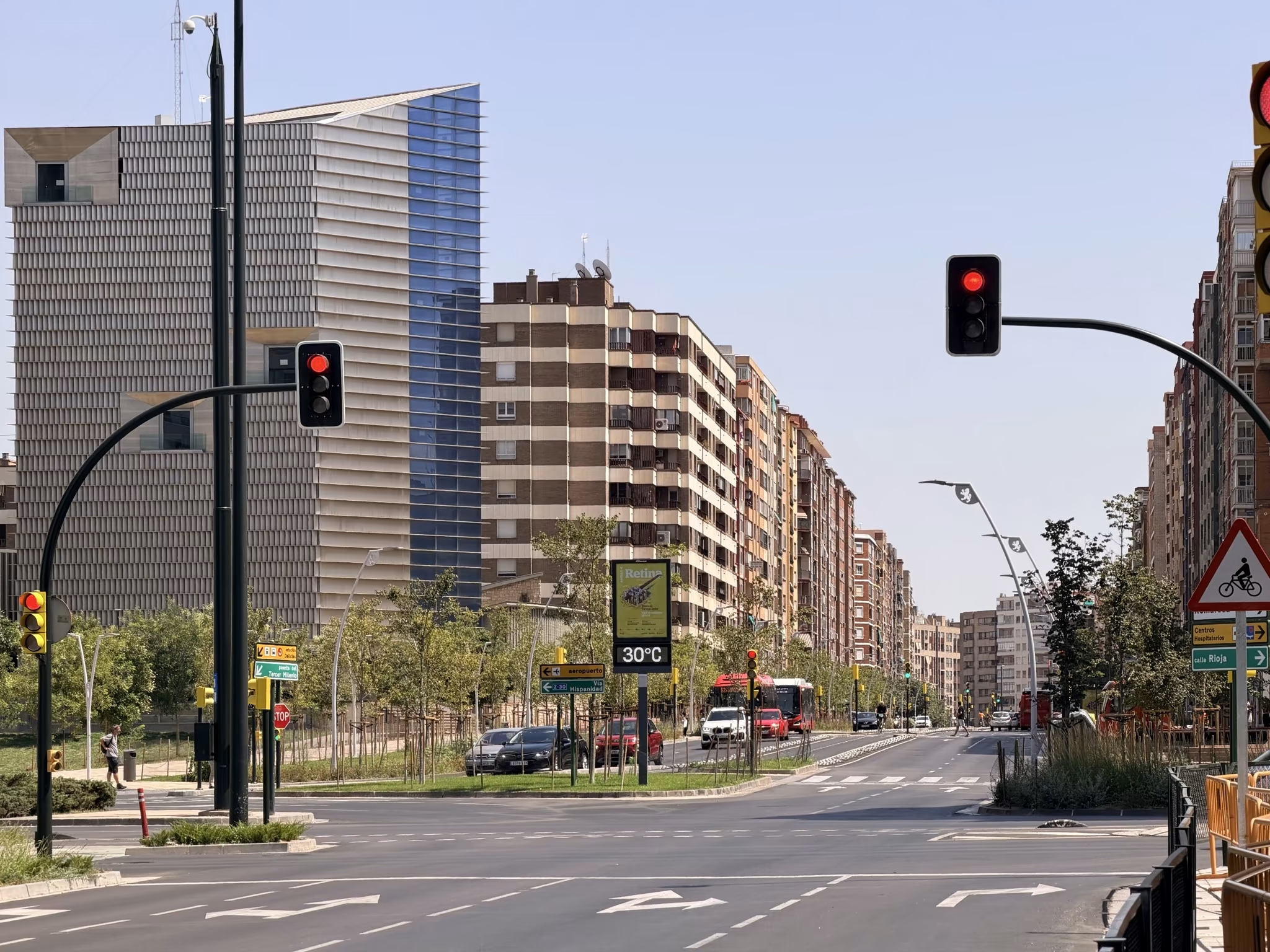
What I walked into was a city that looked almost brand new, and a heat that was getting started early. The thermometer read 30°C at 2:00 in the afternoon, which I took as a gentle handshake rather than the threat it was. By late afternoon, it was 37°C.
The mornings were the trick Zaragoza kept up its sleeve: cool enough that I was genuinely happy to run in them. Zaragoza reminded me of Fort Collins, Colorado and of Casper, Wyoming—sunny and toasty in the afternoon at the height of summer but fine once the sun got low, plenty of trees among vegetation that was not all green, and a wall of foothills in the distance.
It really surprised me later to learn that it is Spain’s fourth-largest city, having nudged past Seville on the 2025 census at just under 700,000 residents, with a metropolitan area of around 765,000. That is far bigger than Fort Collins or Casper, and still dwarfed by Madrid or Barcelona. But unlike those two sprawlers, Zaragoza never felt overwhelming, and empty countryside was only a few minutes away.
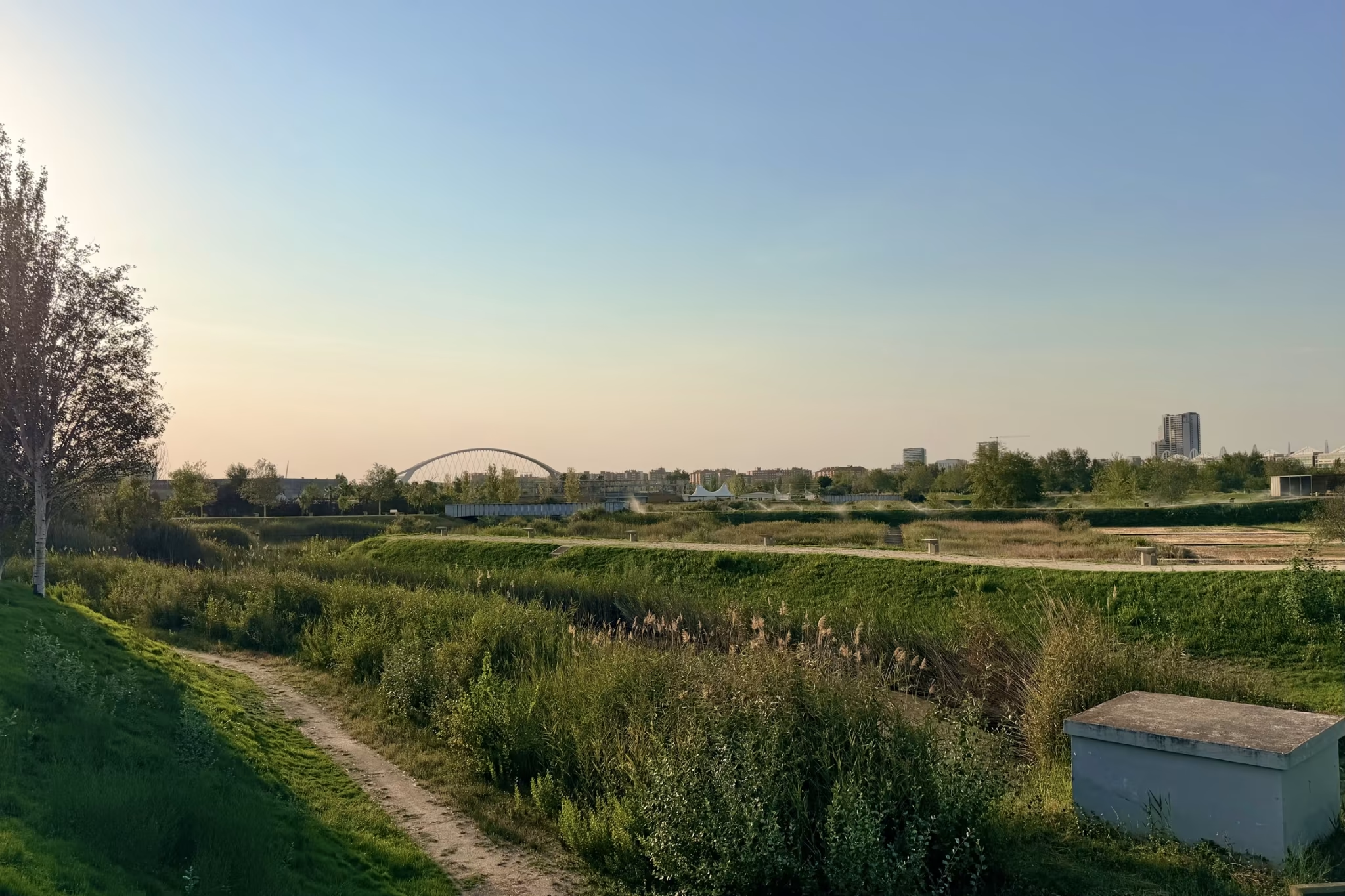
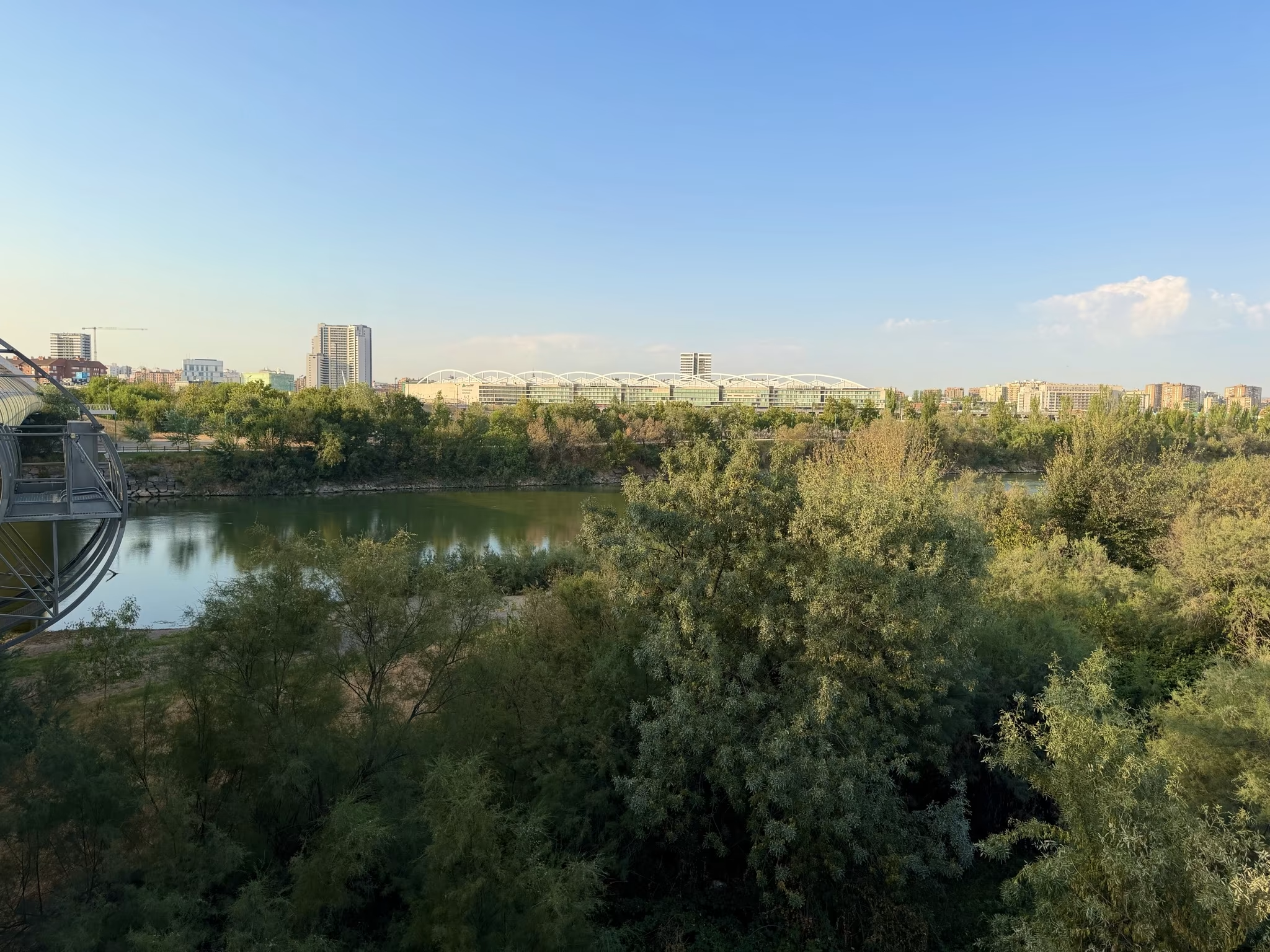
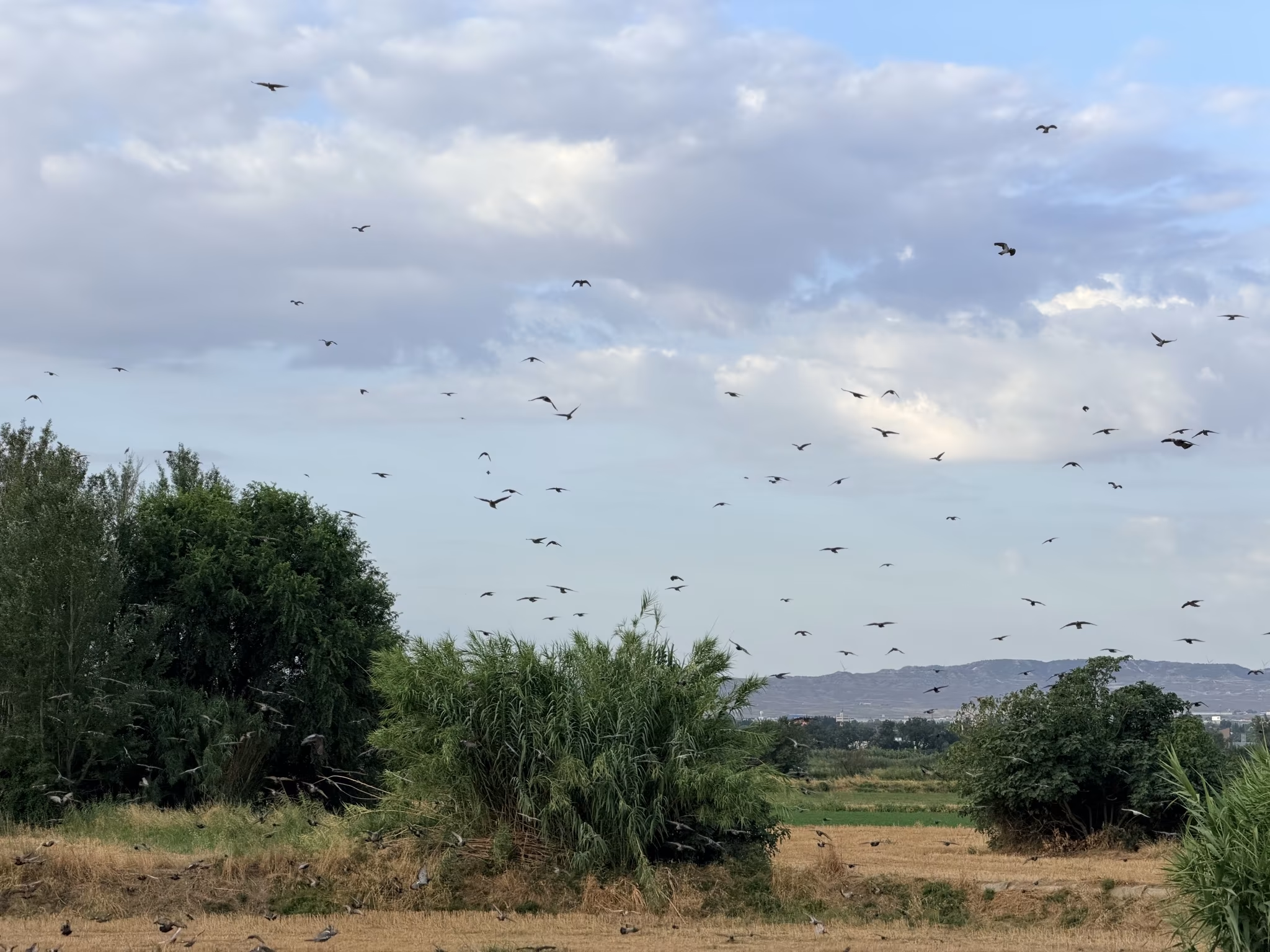
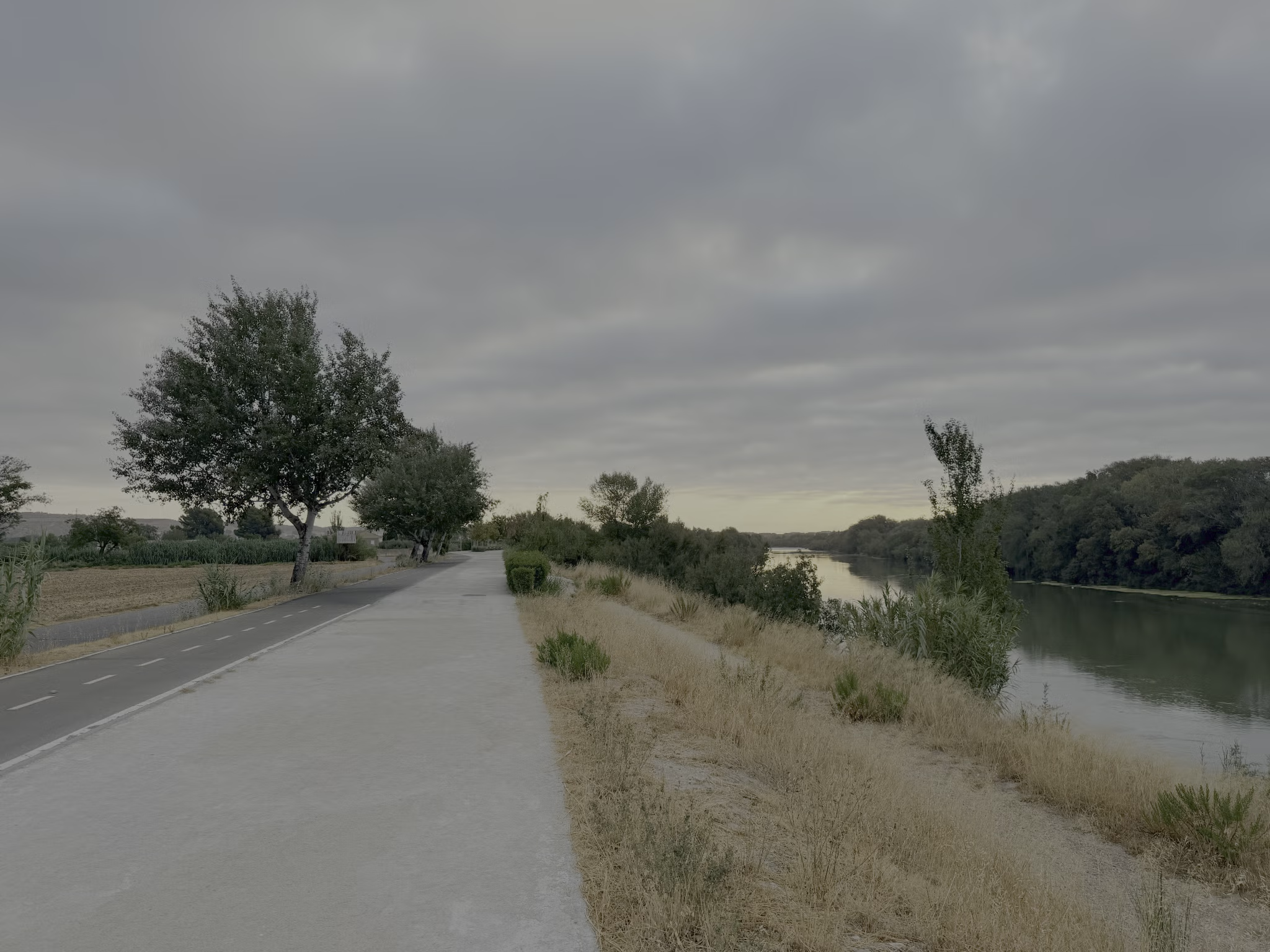
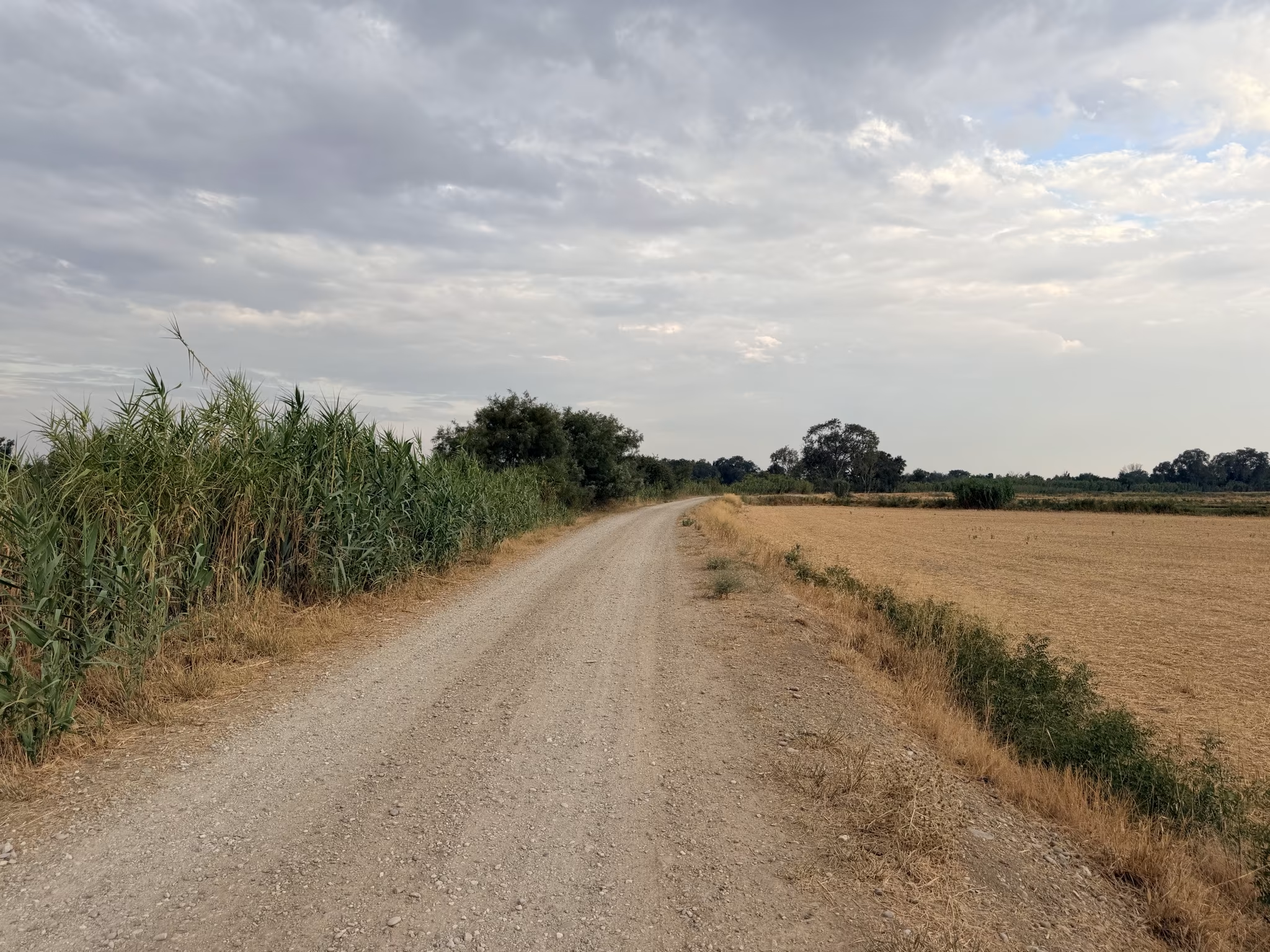
That is exactly what my long runs wanted. Founded on the river Ebro during the Roman Empire as the colony of Cesaraugusta, Zaragoza has about two thousand years of affluence and importance to its name. The river itself runs all the way down to the Mediterranean at Tarragona. Almost all of my long runs happened beside it, and every one longer than a few kilometers let me hit genuine countryside within minutes: dirt paths crossing grassland, open farmland, and a nature reserve called Galacho de Juslibol that was home to flocks of birds and herds of cows.
It felt strange but wonderful that a city this size could open up into empty plains, a reservoir, and nothing but a dirt road and a horizon. In many American large cities, countryside is a forty-minute drive past strip malls. Here, it was a warm-up.
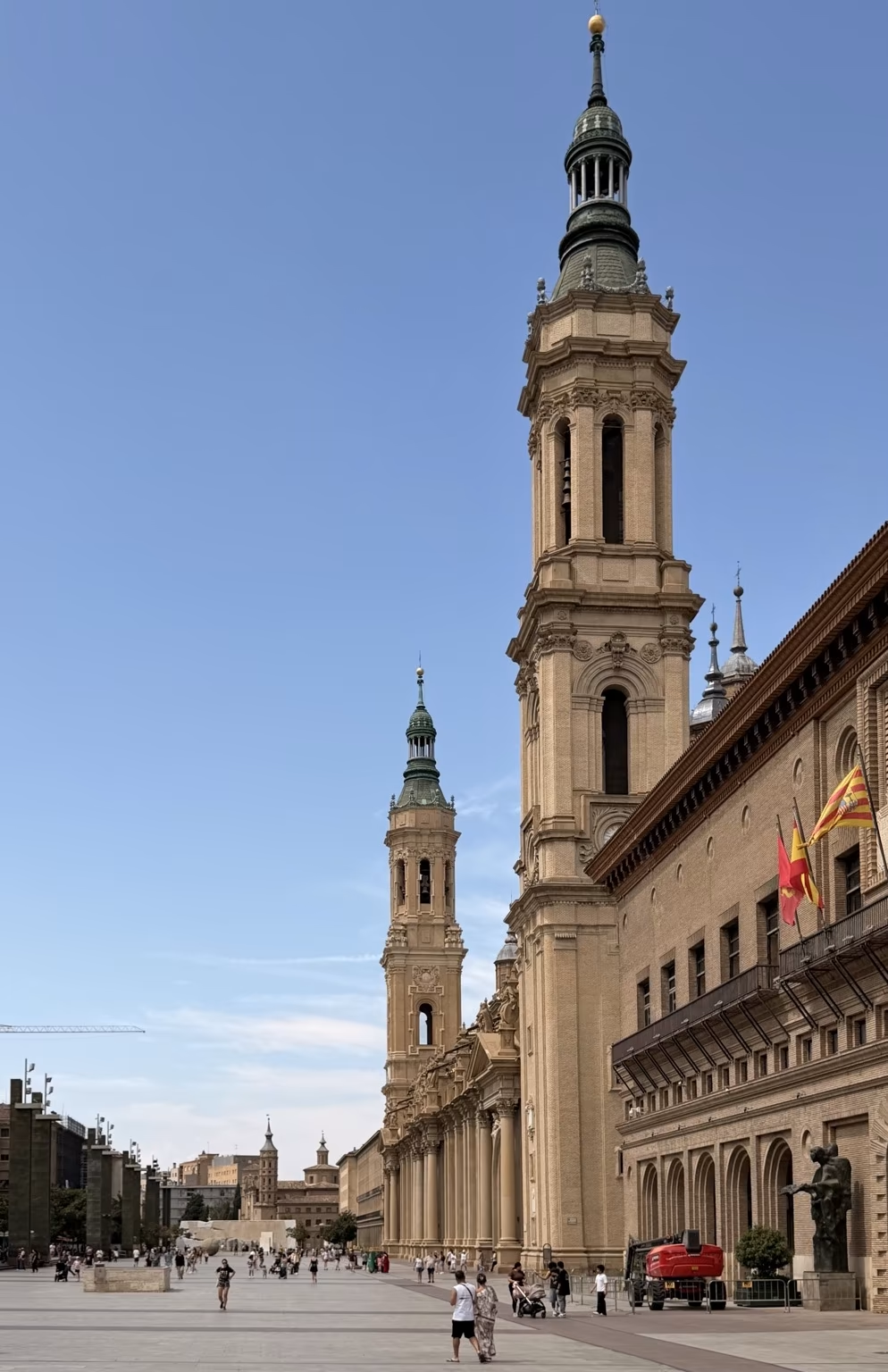
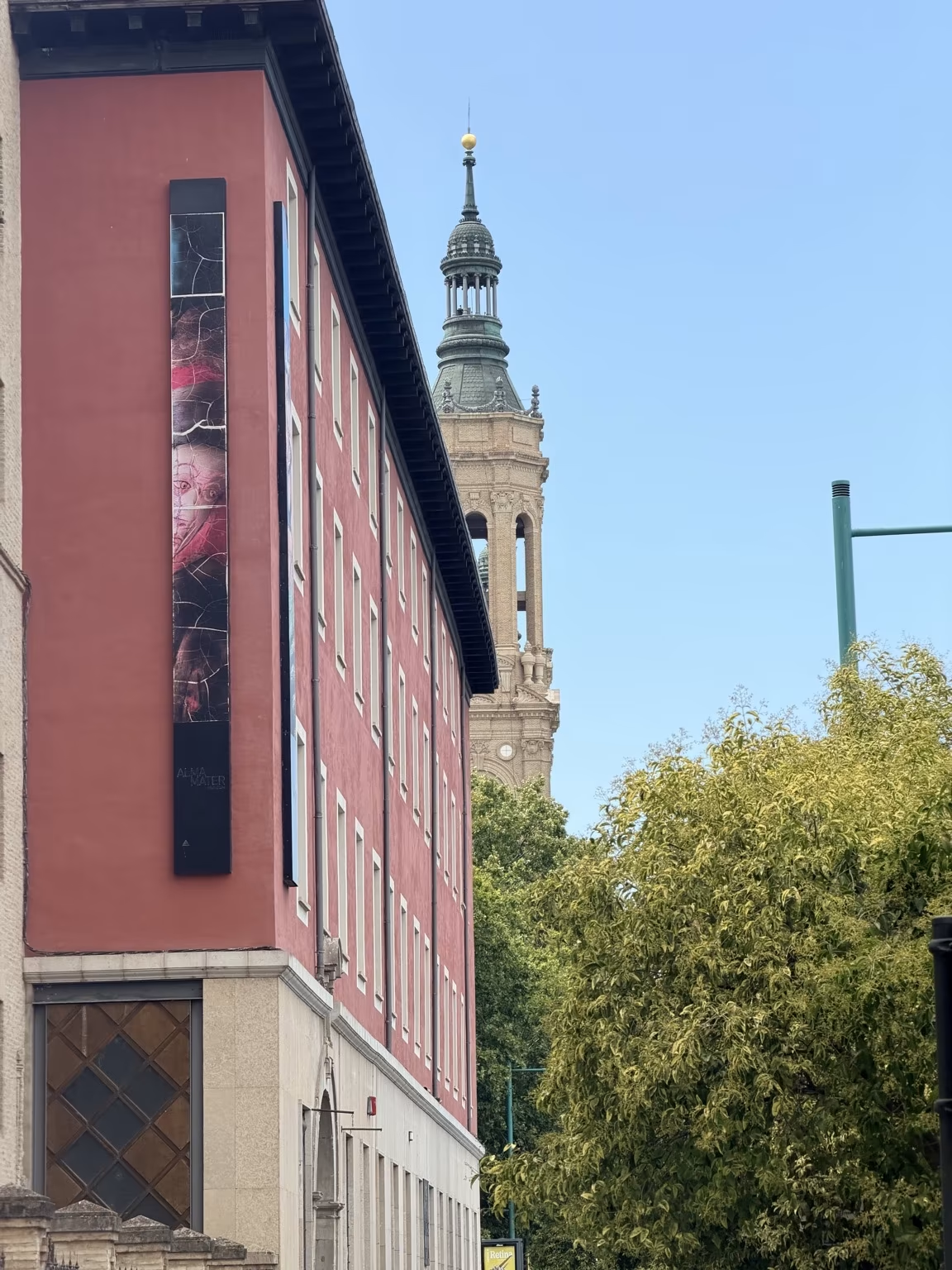
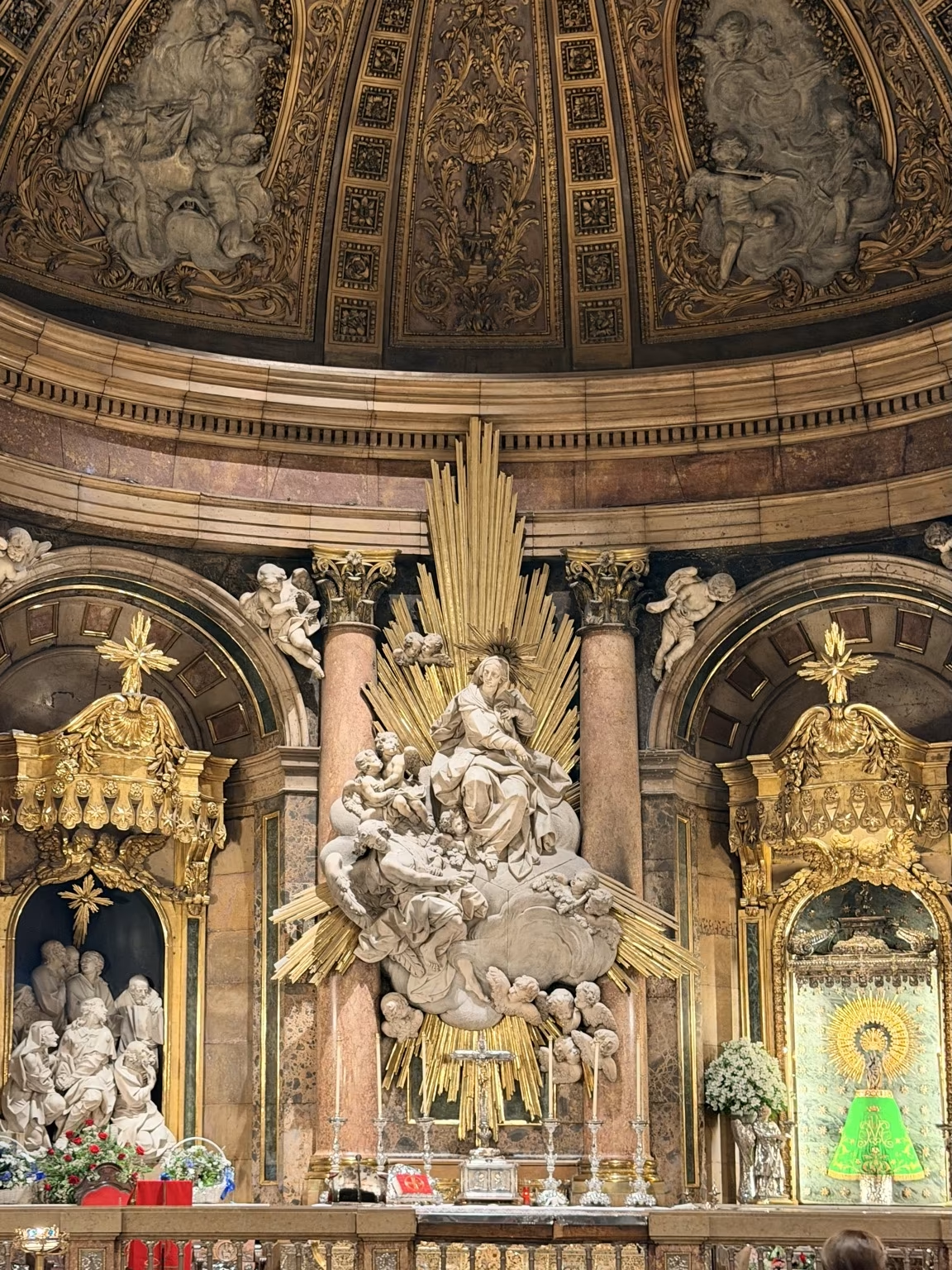
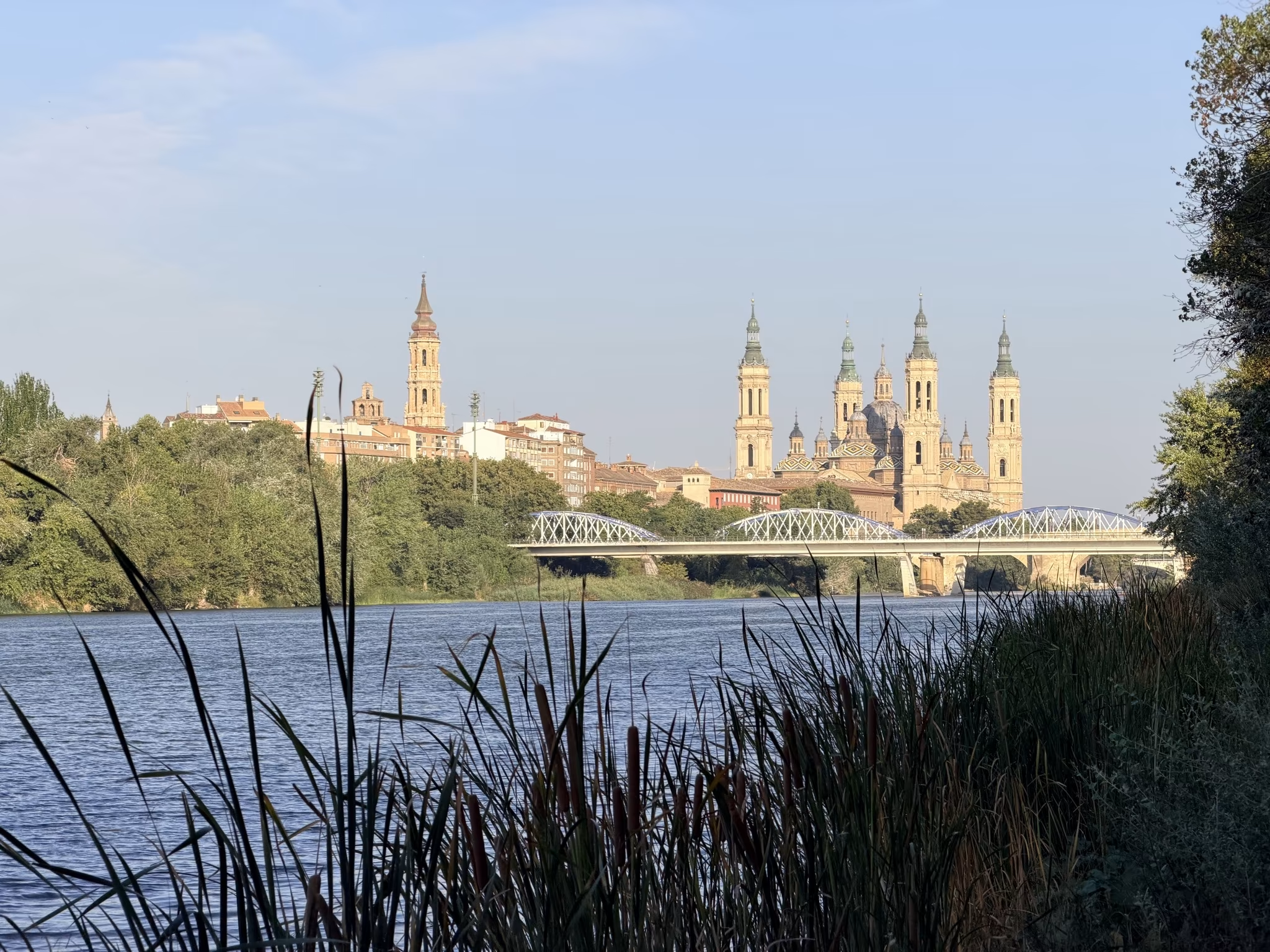
The running loop also past the city’s defining monument, the Basilica del Pilar, built to venerate the apparition of the Virgin Mary to Saint James in very early Christian times and long a marker of cultural identity for Christian Spain. From my route it showed off better than any postcard, a great white-and-turquoise landmark looming beyond the water.
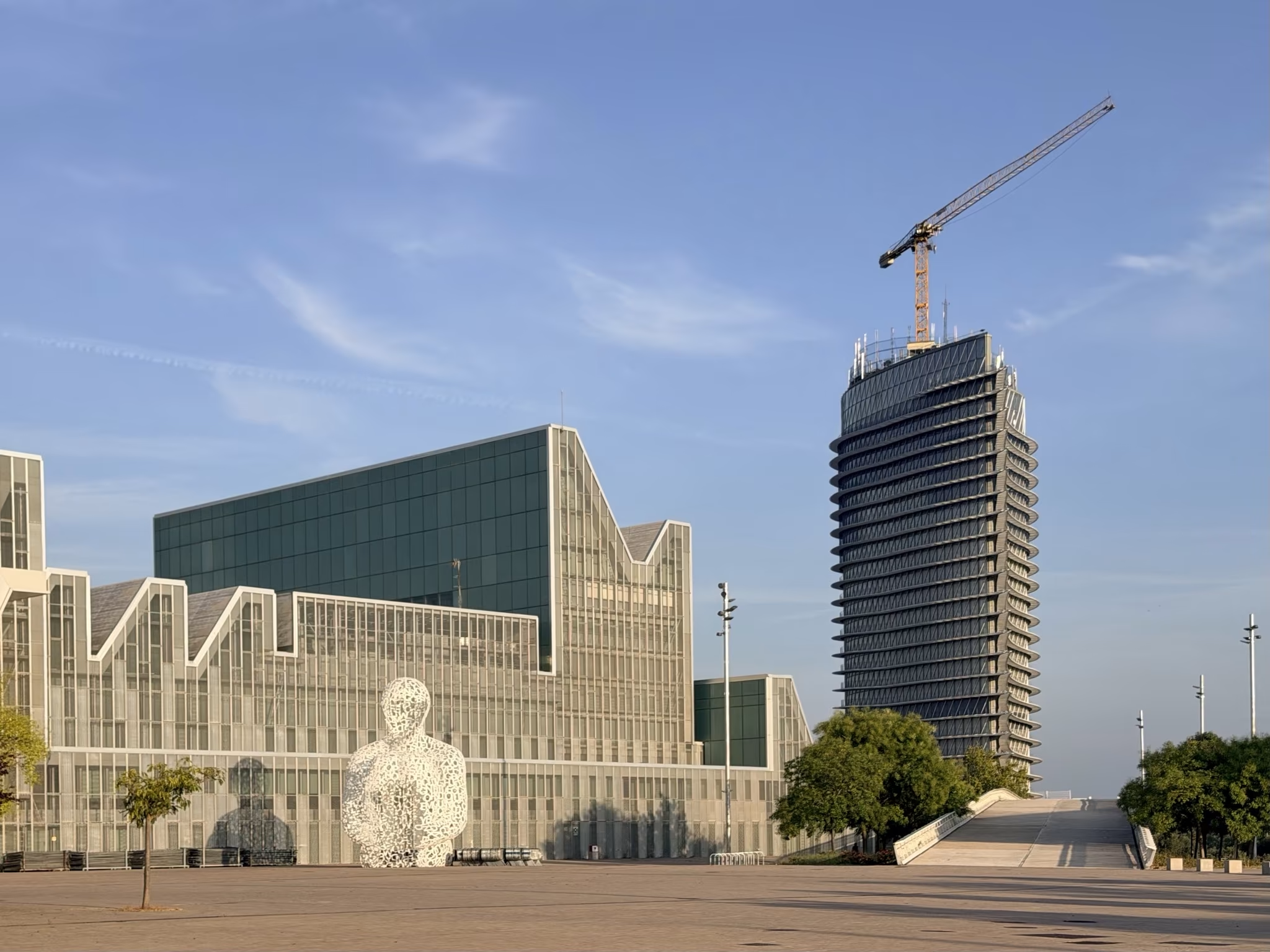
A bit further along and on the other side of the river, the 2008 Expo left a whole sleek modern district that has since been repurposed into offices and public space, and several of my runs went past it. You’d be hard-pressed to find a contrast between a millennia-old basilica and this slick riverside development without Marty McFly’s time machine.
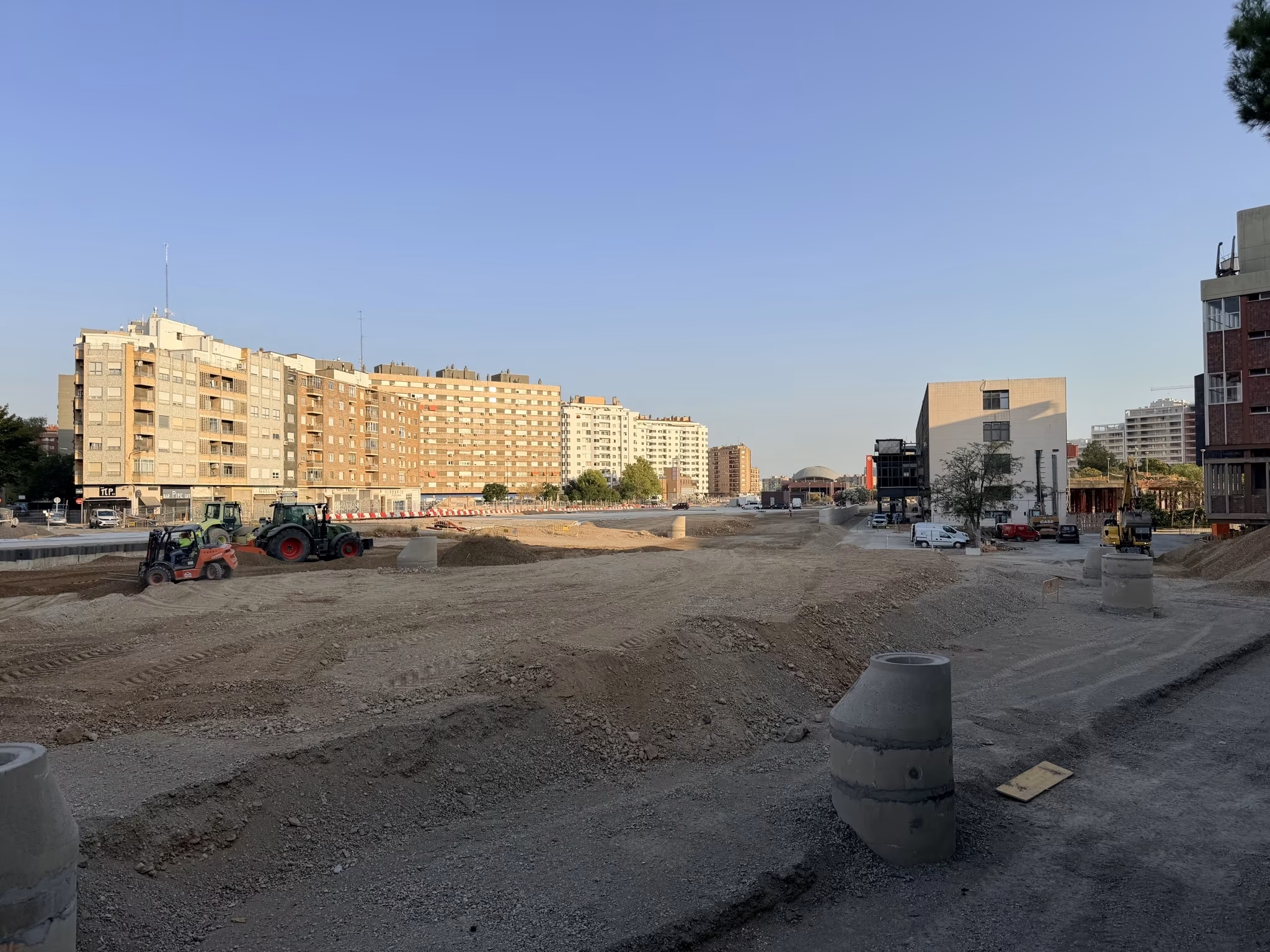
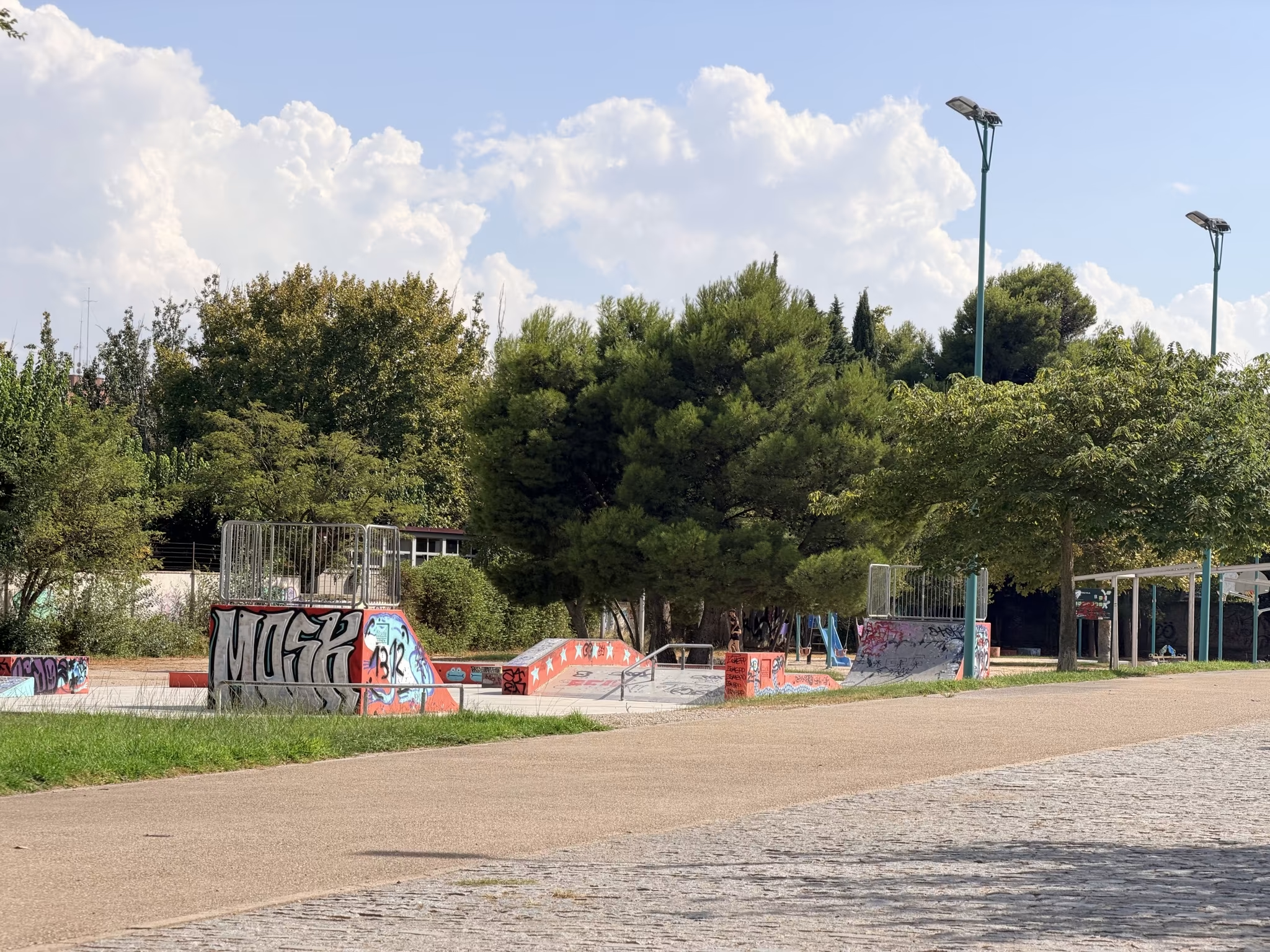
Zaragoza was clean throughout, although—in the fine European tradition—it has an abundance of what is politely called graffiti art. It also was still busily building: there is a lot of construction around the Portillo metro station and new towers going up all over. It will be fun to see how the place looks in a few years.
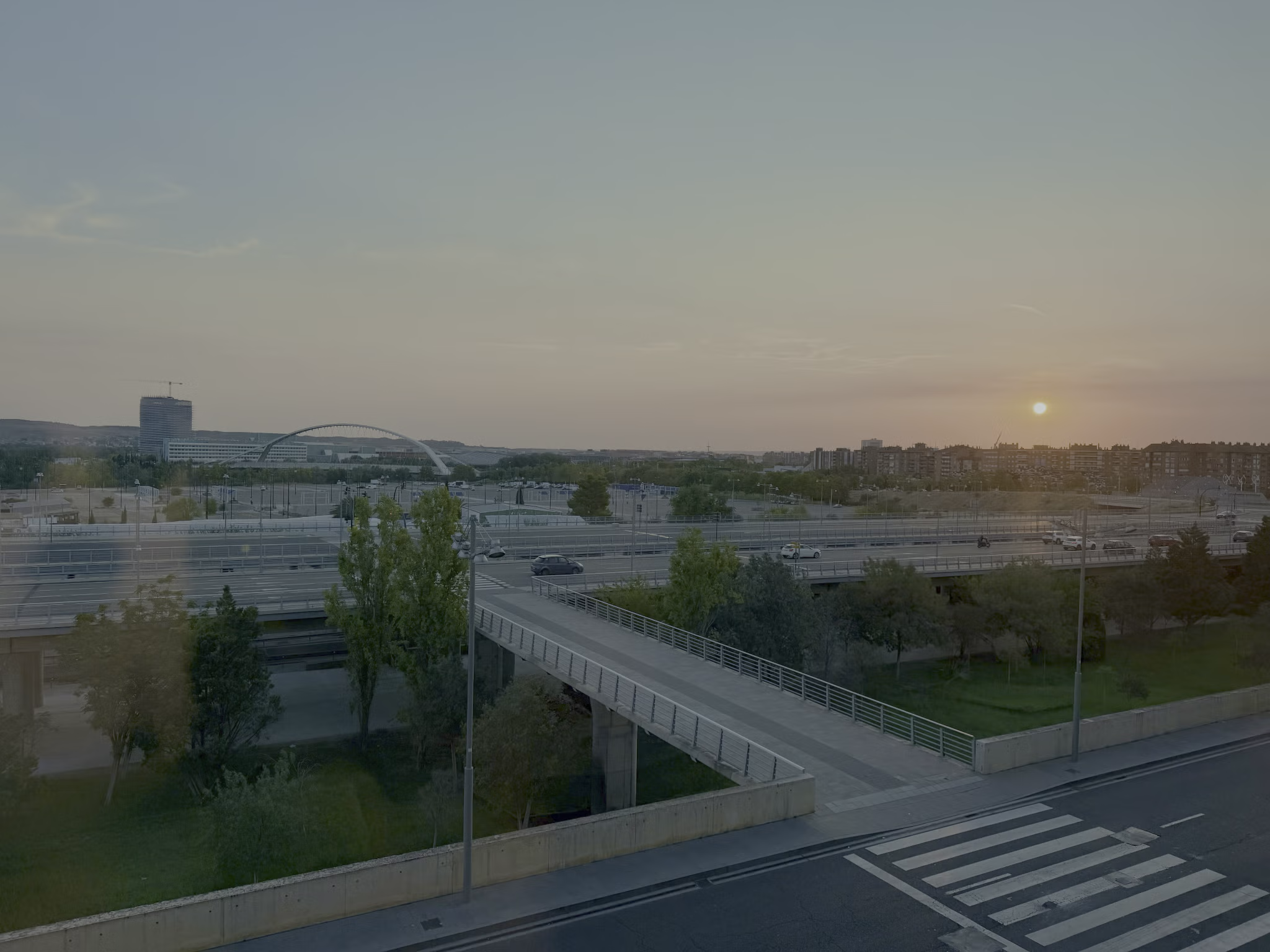
My first hotel sat close to the center, beside that construction zone—I booked it during the eclipse because it had the most reasonable, if still wildly inflated, rate in the city. It was nice for two nights but not quite what I wanted for a week, so I moved to the Eurostars, a four-star place sitting on top of the train and bus station, a few kilometers from the center and, for me, perfectly situated: close to the Ebro, where my runs lived. The rooms had floor-to-ceiling windows with fantastic views, which I enjoyed every single day and evening, all for €65 a night.
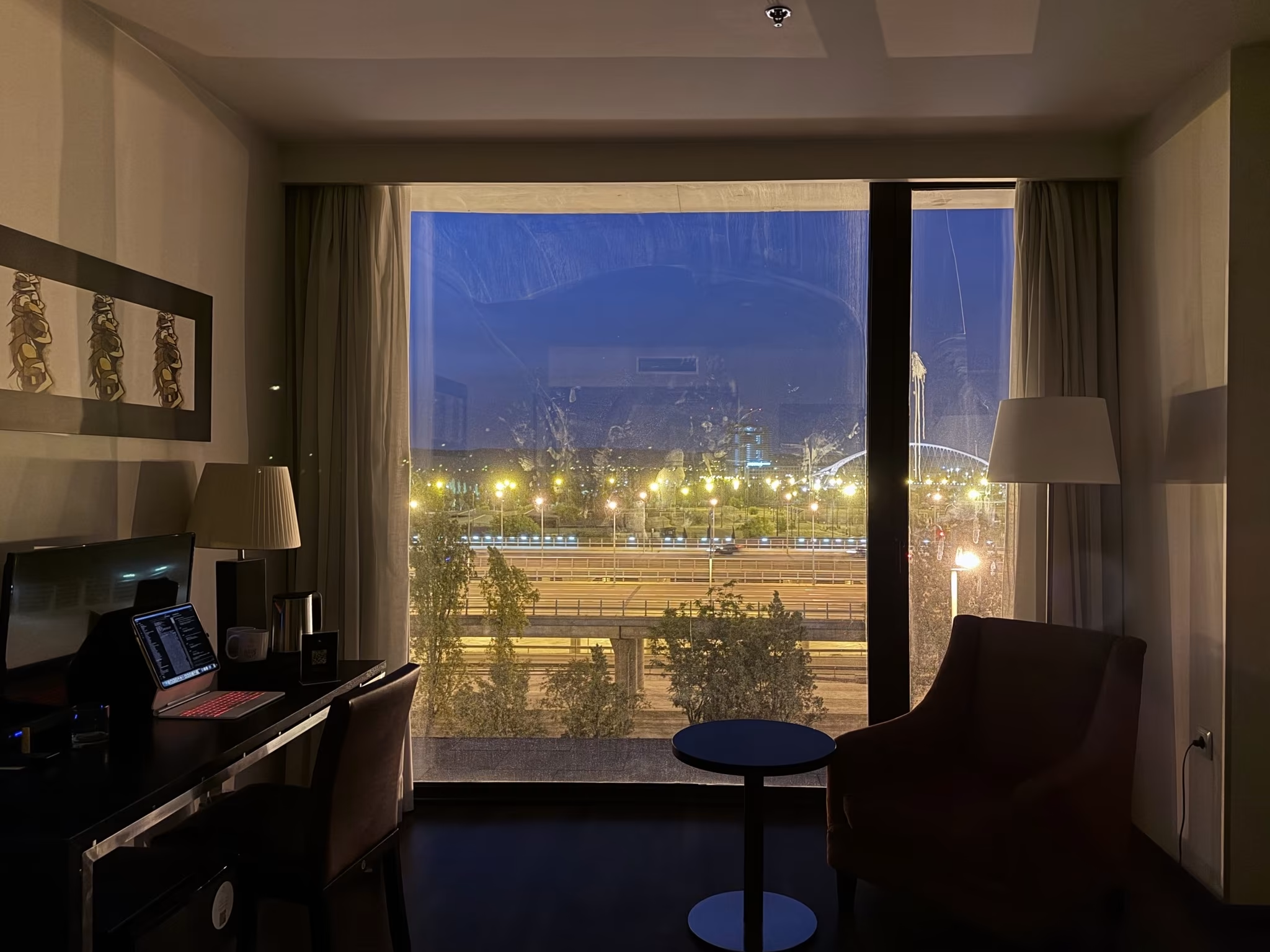
It was an easy walk to Mercadona—my favorite supermarket chain in Spain. Also nearby: a state-of-the-art gym, dedicated running and biking trails, bars, restaurants, and a Bizi city-bike pickup point.
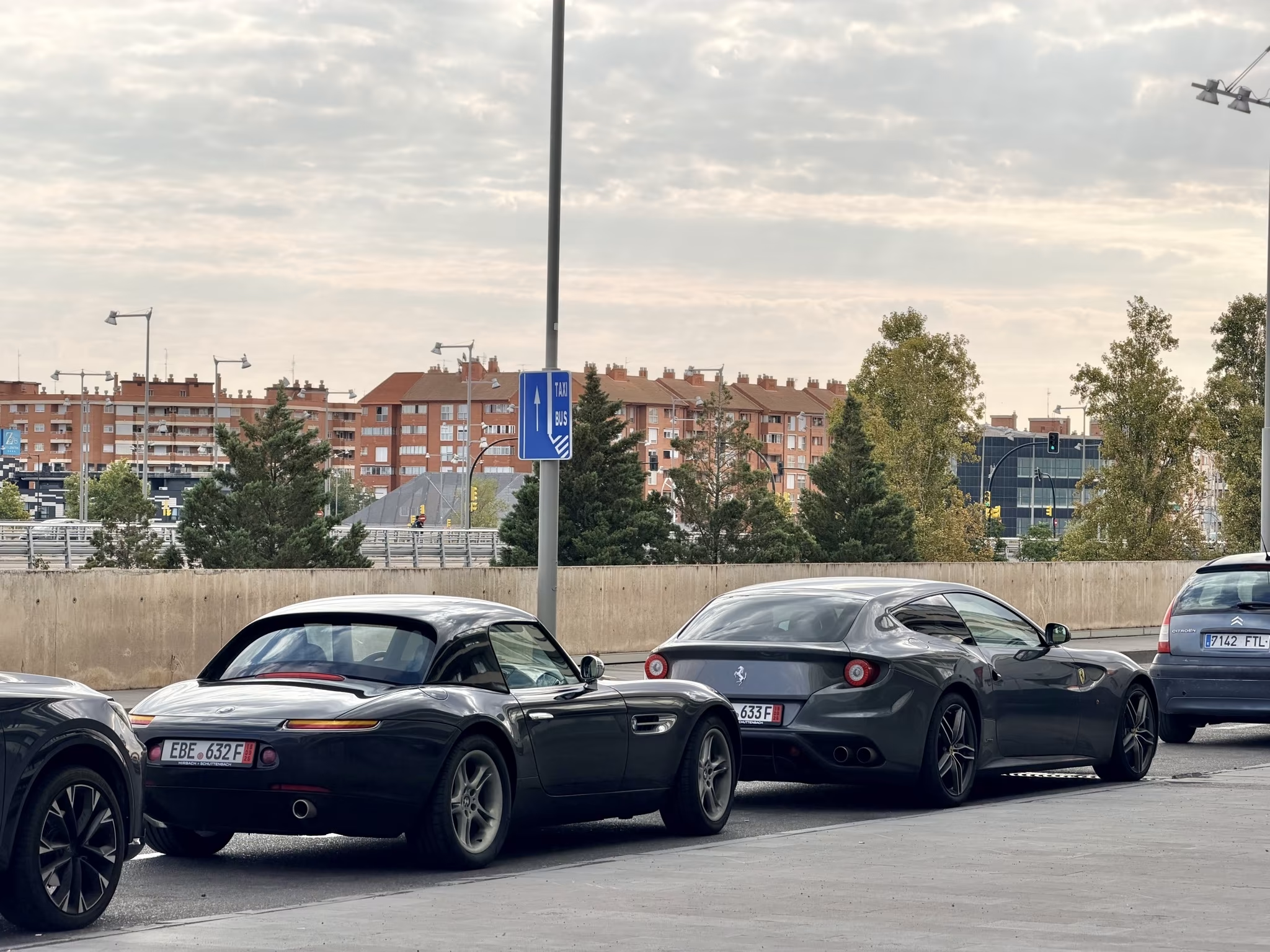
One afternoon a BMW Z8 and a Ferrari FF parked right out front, as if to confirm that this was my kind of hotel. I felt like I could live here.
Speaking of Bizi, borrowing one was a cinch. I bought a day pass on the app for €1, walked a minute to a bike, scanned the barcode on the down tube, and it unlocked.
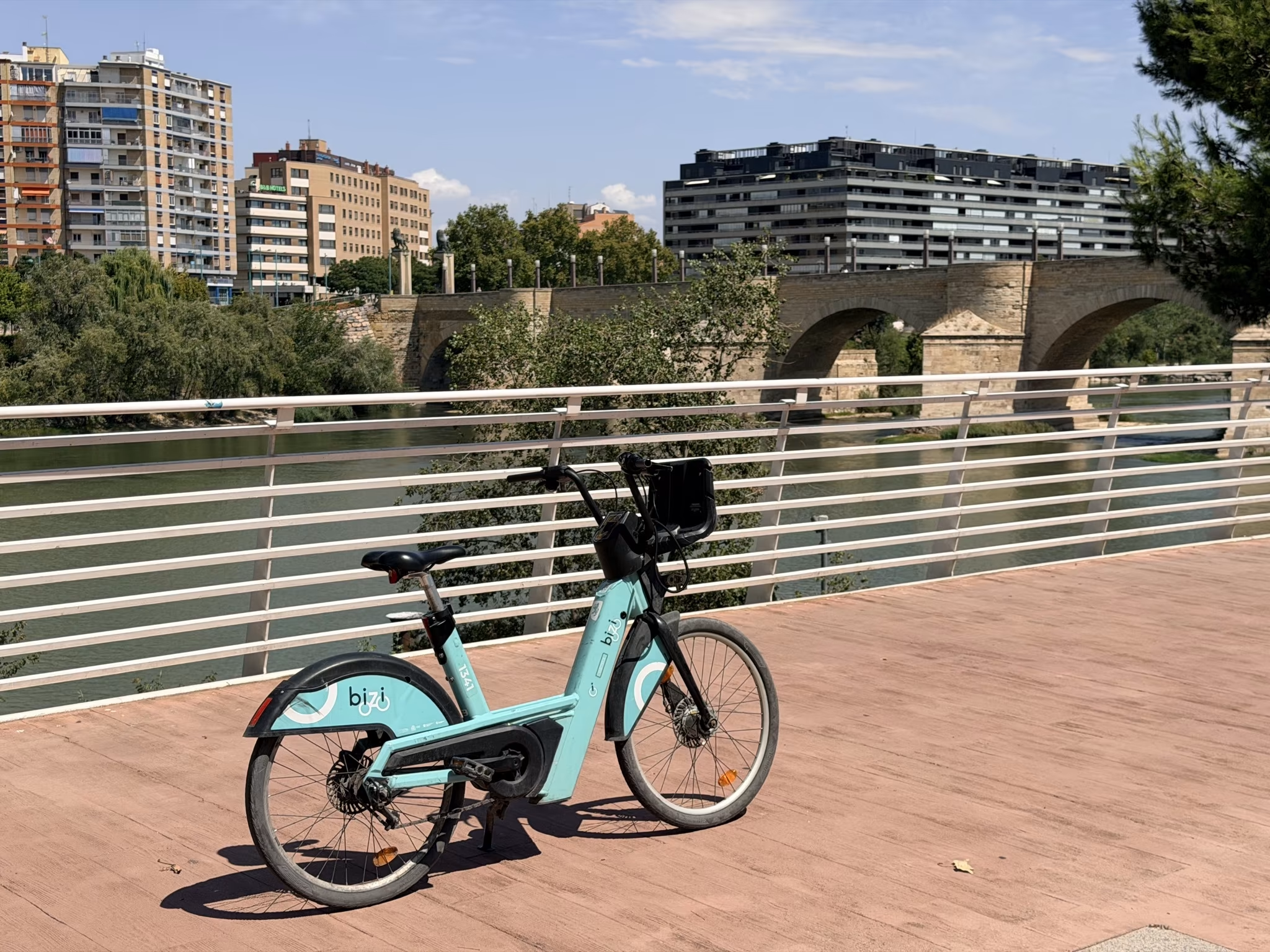
From then on, every half hour cost €0.50, and the bikes even have electric pedal assist: once you start pedaling you get a little boost, so the effort feels like walking while you travel five times as fast. The ride is a touch clunky, and my first bike’s gears were jumping a bit, but at that price you absolutely cannot complain—they got me from A to B with zero drama.
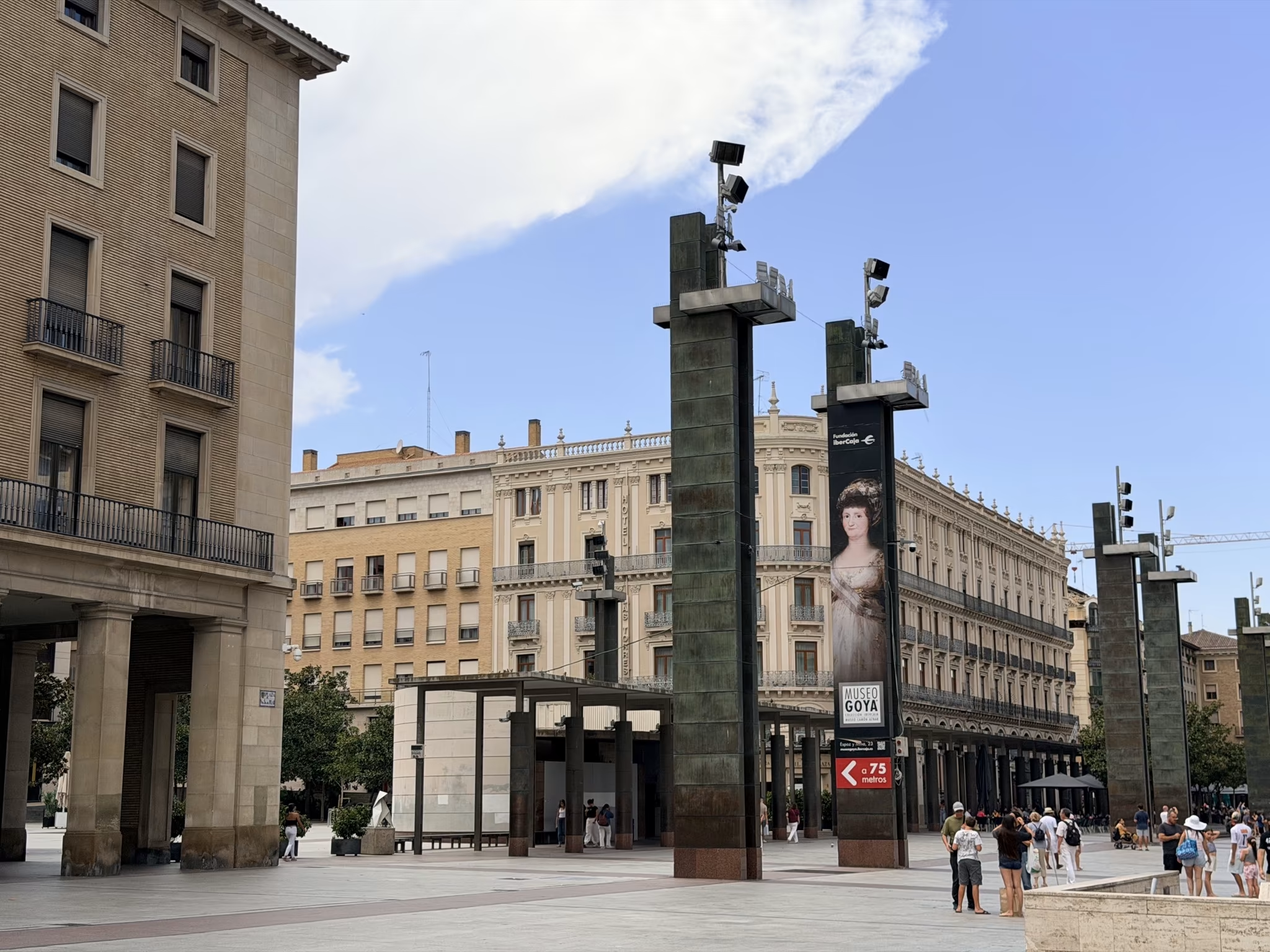
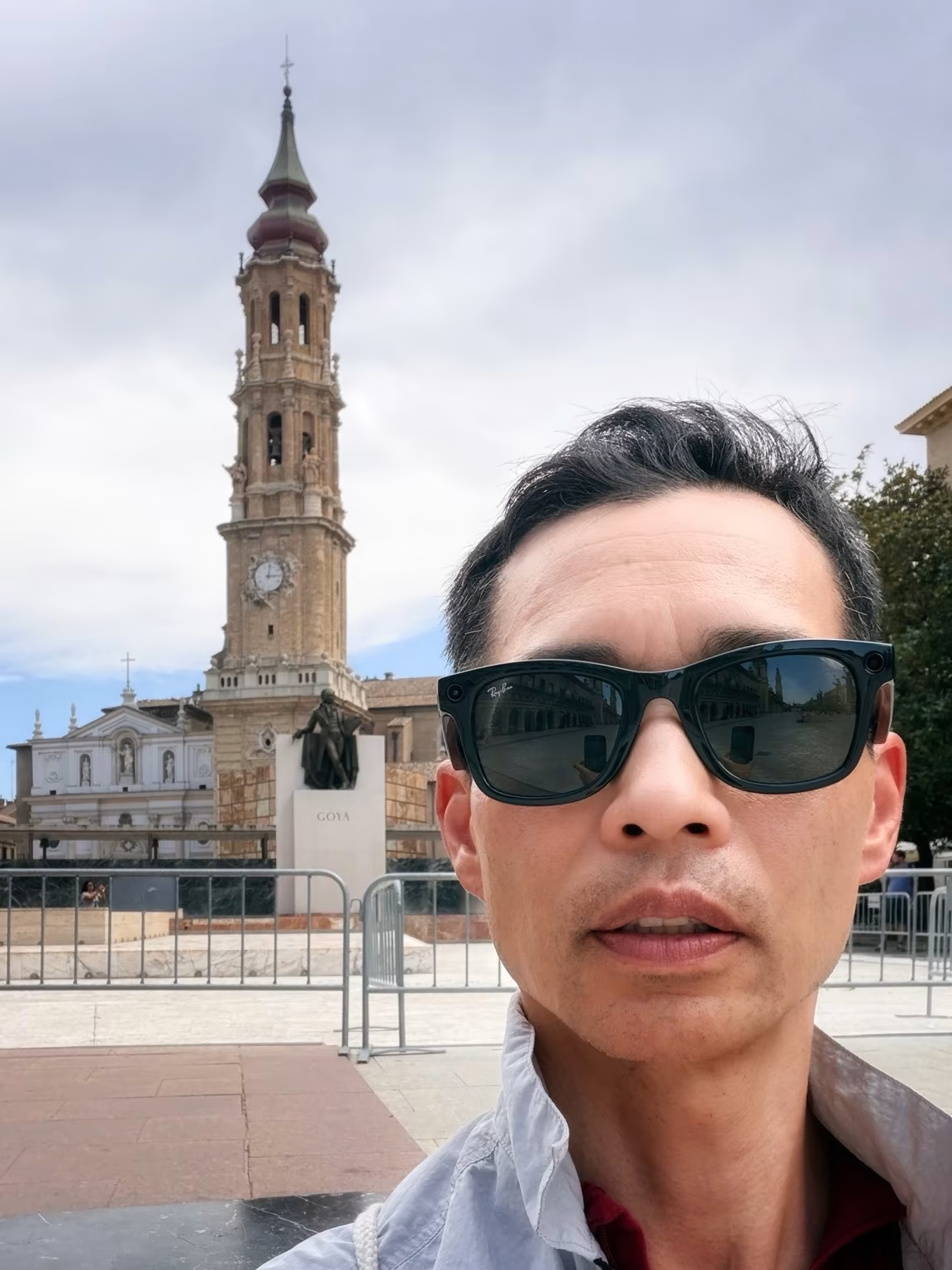
Zaragoza has genuinely excellent bicycling infrastructure, dedicated lanes everywhere, and it feels very safe to ride. It is the kind of city where the bike is the obvious choice (at least during the non-hot hours), not the brave one. So on one afternoon I rode a Bizi into Casco Antiguo and did the single-player Actionbound scavenger hunt, which marched me around the center and the plaza where the city keeps its grand clock tower. The hunt seemed written more for, say, middle-schoolers, but it was quite fun and very doable, and totally free.
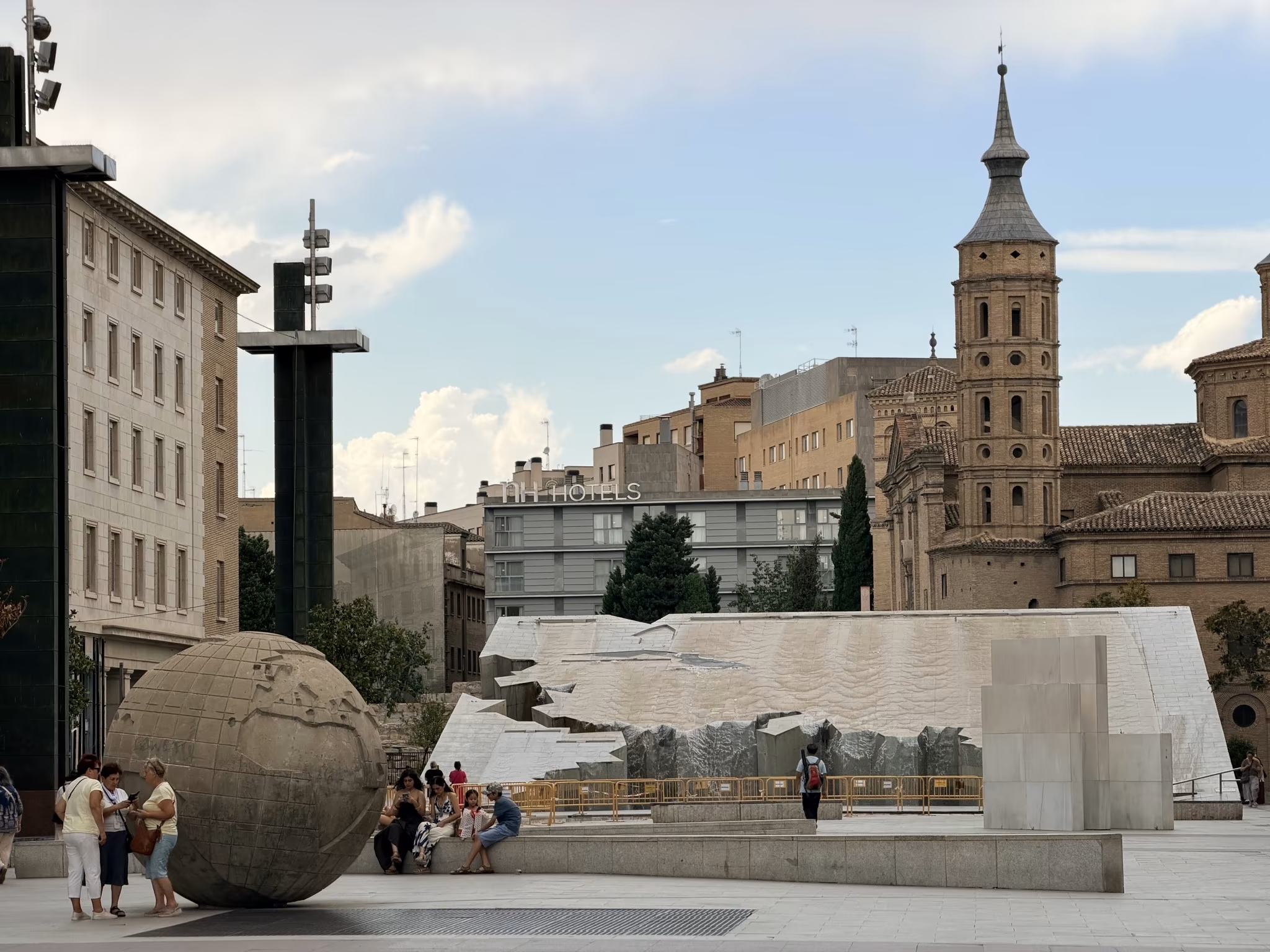
Its one drawback was that if I got an answer wrong, I could not go back and fix it, and sometimes it would not even tell me the right one. Otherwise I enjoyed it enough to look into the app’s history and business model—it was founded in Berlin, aimed initially at educators, and has been downloaded about a million times, which is quite popular for its niche. The revenue comes from companies and organizations paying €250 or €500 for a pro license to run team-building exercises, and it is mostly a European phenomenon: lots of Spanish cities, and in the U.S. only the majors. I’ll be sure to use it in other cities in the future.
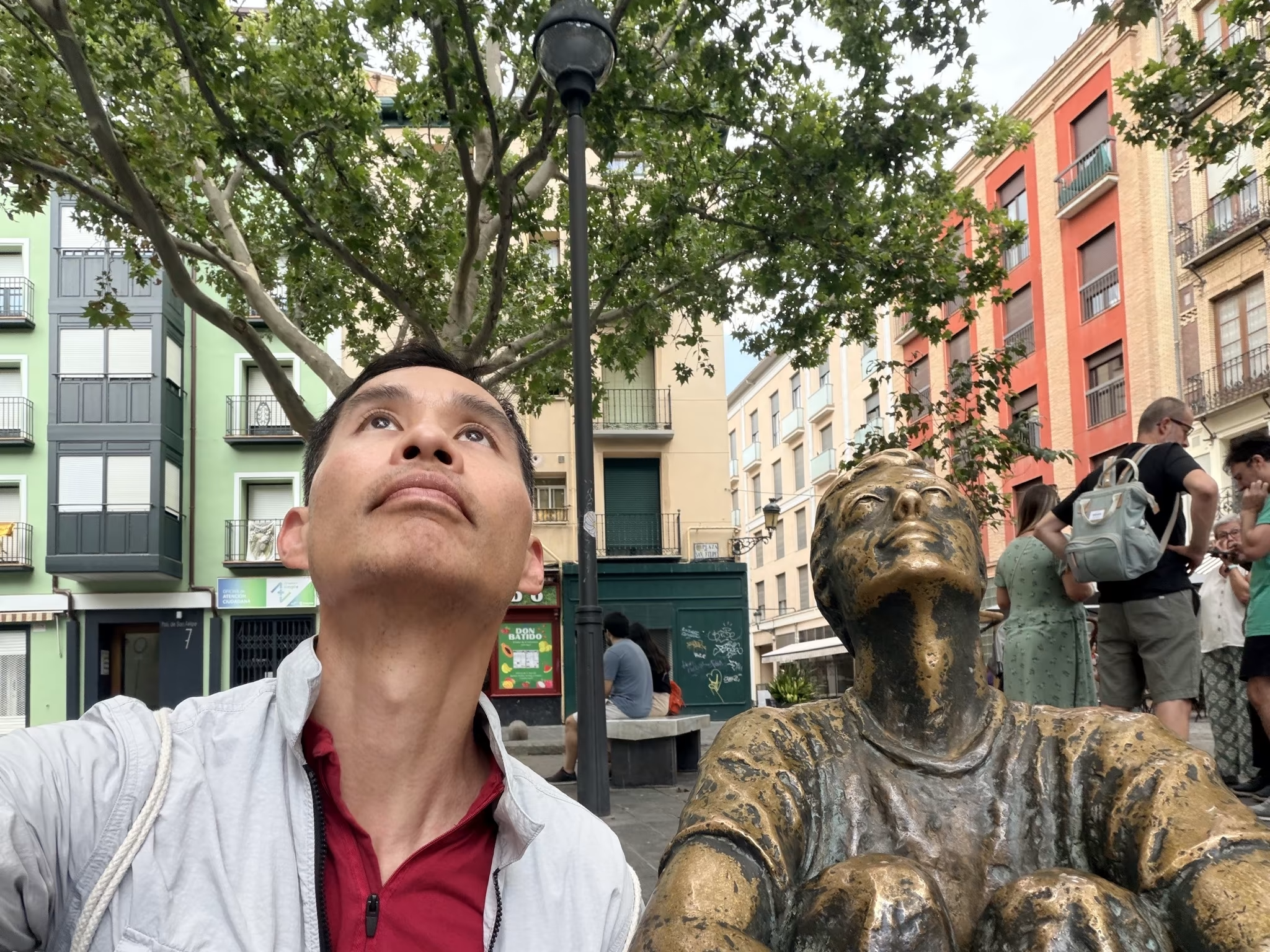
By the time it was time to leave, I missed Zaragoza a lot, which is not a thing that usually happens to me on the way out of town. Whether you come for a once-in-a-lifetime eclipse or just for things to do in Zaragoza, Spain, the city makes a quietly persuasive case for itself: a mix of historic and modern buildings, cool mornings to run in, a river that escorts you out to empty countryside, bikes for a euro, and a great hotel room for €65. It is an easy place to live, and for over a week, I did.