How I Eat Healthy on the Road—With a Doggie Dish

The most reliable restaurant in any city I visit is the grocery store. Give me one trip down a supermarket aisle and a big bowl, and I can eat as well—which is to say as cleanly—as anywhere with a tablecloth. Actually, no tablecloth is necessary. And lately my bowl of choice has been a doggie dish.
This is not how I used to eat. Nineteen years ago I wrote about the quick, unprocessed meals I made at home, most requiring little more than a microwave or a George Foreman grill. A few of those dishes survive, but I retired the grill years ago. Its nonstick coating is a teflon surface, which brings your bloodstream into contact with a family of forever chemicals, PFAS, that I’d rather not host. And there was a subtler problem with grilling itself. Any time you brown food over high, dry heat, you manufacture two things I’d rather avoid: acrylamides, compounds that form when starchy foods hit very high temperatures and that are considered probable carcinogens, and advanced glycation end products, or AGEs. AGEs form when sugars react with proteins or fats under heat, accumulate in your tissues as you age, and are linked to inflammation, diabetes, and heart disease. Pressure cooking, by contrast, uses moist steam at a gentler effective temperature and turns out far fewer of both.
So in place of the grill came an Instant Pot, which I told my friends nearly a decade ago “changed my life.” It still does. In Colorado I use it daily: beans, chickpeas, lentils, bone broth, steel-cut oats, even hard-boiled eggs and al dente pasta. (Making pasta in an Instant Pot in a nutshell: pressure cook it in water for one minute, vent it immediately afterwards with a dishrag over the rent so the steam doesn’t burn you or soak your cabinet doors, then drain and rinse in cold water.) The beauty of the machine is that it needs no babysitting. There’s no open flame and no hot surface to lean a wrist on, and you can’t burn dinner because you wandered off—set it and forget it. It’s a robot—not quite in the league of those famous $1,500 machines with the touchscreen that tell you exactly what to throw in and then make the dish for you—but close.
The trouble is that the Instant Pot stays home. So when I travel, I lean on what the last couple of years have taught me: even less cooking, and salads.
I have been a salad person for a quarter of a century, sometimes for breakfast, and it shows. At a health fair that once rolled through my old Silicon Valley company, a representative waved some kind of gizmo over my skin and announced it detected whether you were eating enough vegetables. It read most people as woefully short. Not me.
“You must eat a ton of vegetables,” she exclaimed.
I did—I’d started eating huge salads just a few months prior, sometimes from a big stainless-steel pot. I owe the pot to the campus salad bar, where the woman assembling salads would toss a pile of ingredients into a pot to mix them quickly without anything flying onto the floor, then dump it all into a to-go container. The pot, I realized, was the whole trick. I just skipped the transfer step and ate out of the bowl itself, saving both time and a dish to wash—at least when I’m alone. (I don’t do that when I’m eating with Andrea.)
I half-suspected I was weird about this. Who eats salad for breakfast out of a pot? Then I visited my friends Roxanne and Chris, Londoners I caught up with at a villa Chris had bought as an investment in the Canary Islands. They eat exactly as I do—enormous salads built in a pot and eaten straight out of it.
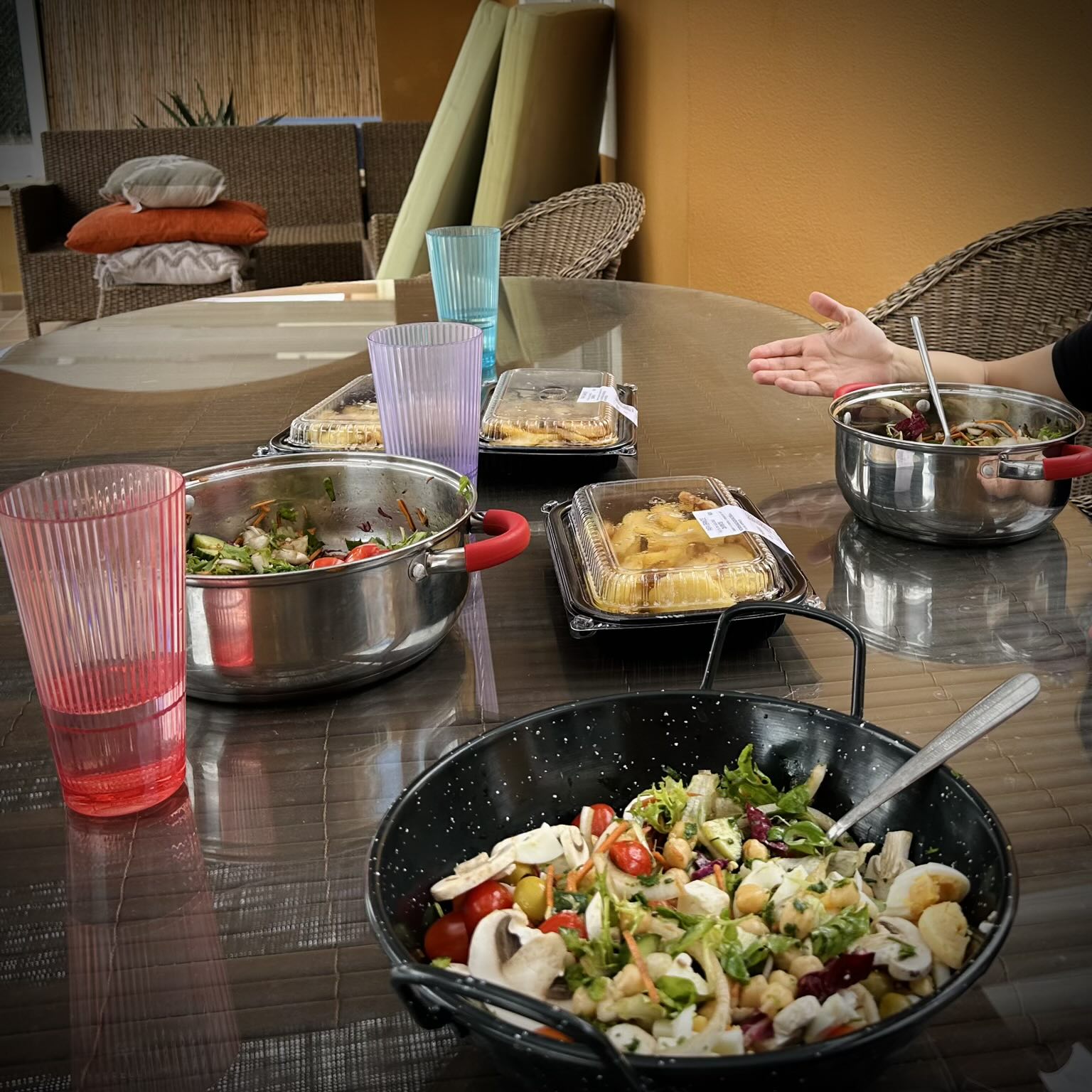
What is that saying about “great minds think alike?” I’d like to think so, at least.
How I eat during travel
If I’m staying somewhere more than a day, grocery shopping comes first. My staples: bagged or tubbed spring greens, olives, cherry tomatoes, canned garbanzo beans (or the glass-bottle version Mercadona sells in Spain), sometimes sliced mushrooms and baby carrots, and a protein of one of three kinds—hard-boiled eggs, sardines, or tofu. Ideally, I’d get a small bottle of extra-virgin olive oil to dress it, but in the States, small bottles are hard to come by, in which case I’d get sardines in olive oil. Then fruit (bananas, apples, berries), kefir, and sparkling water.
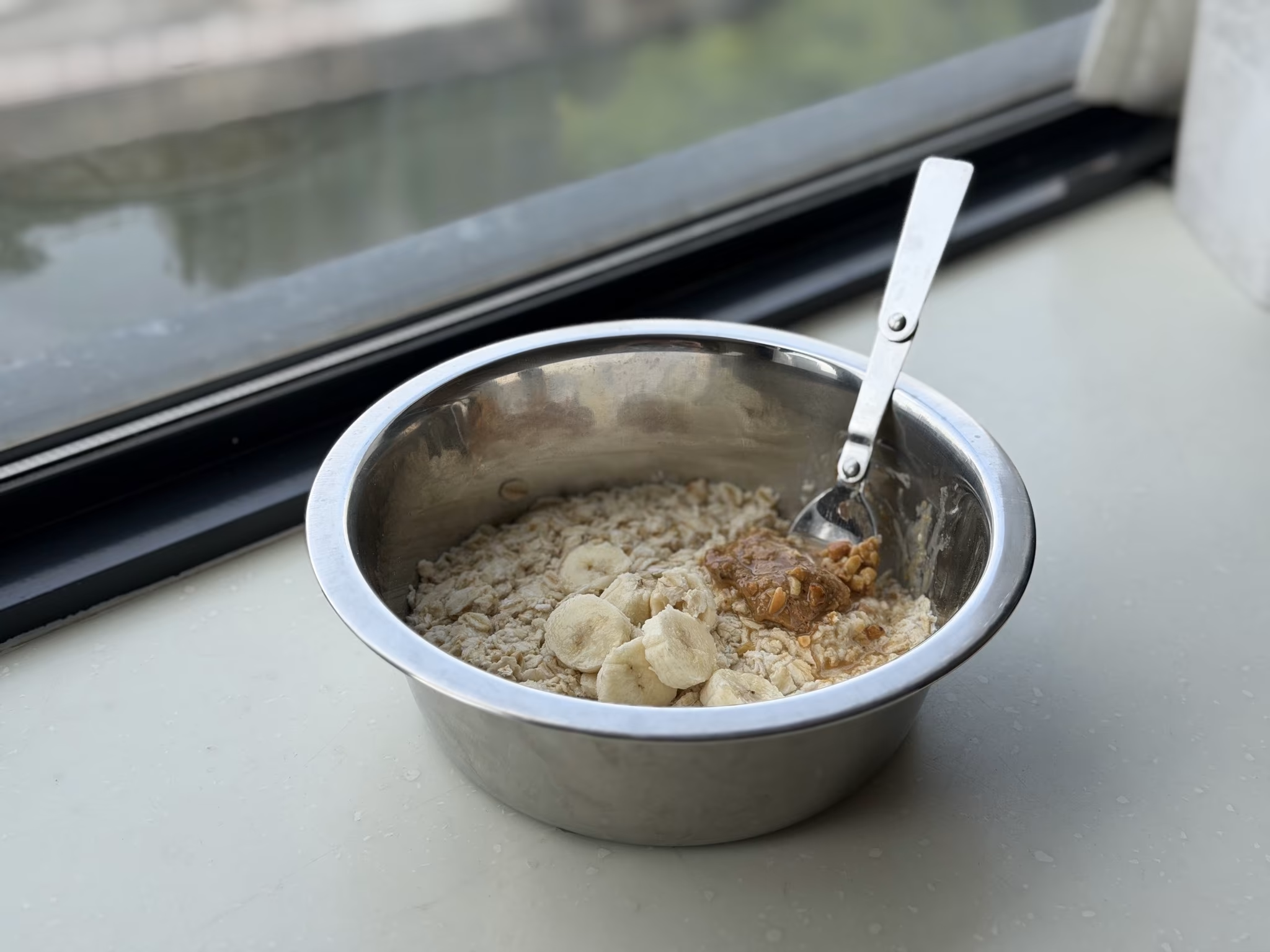
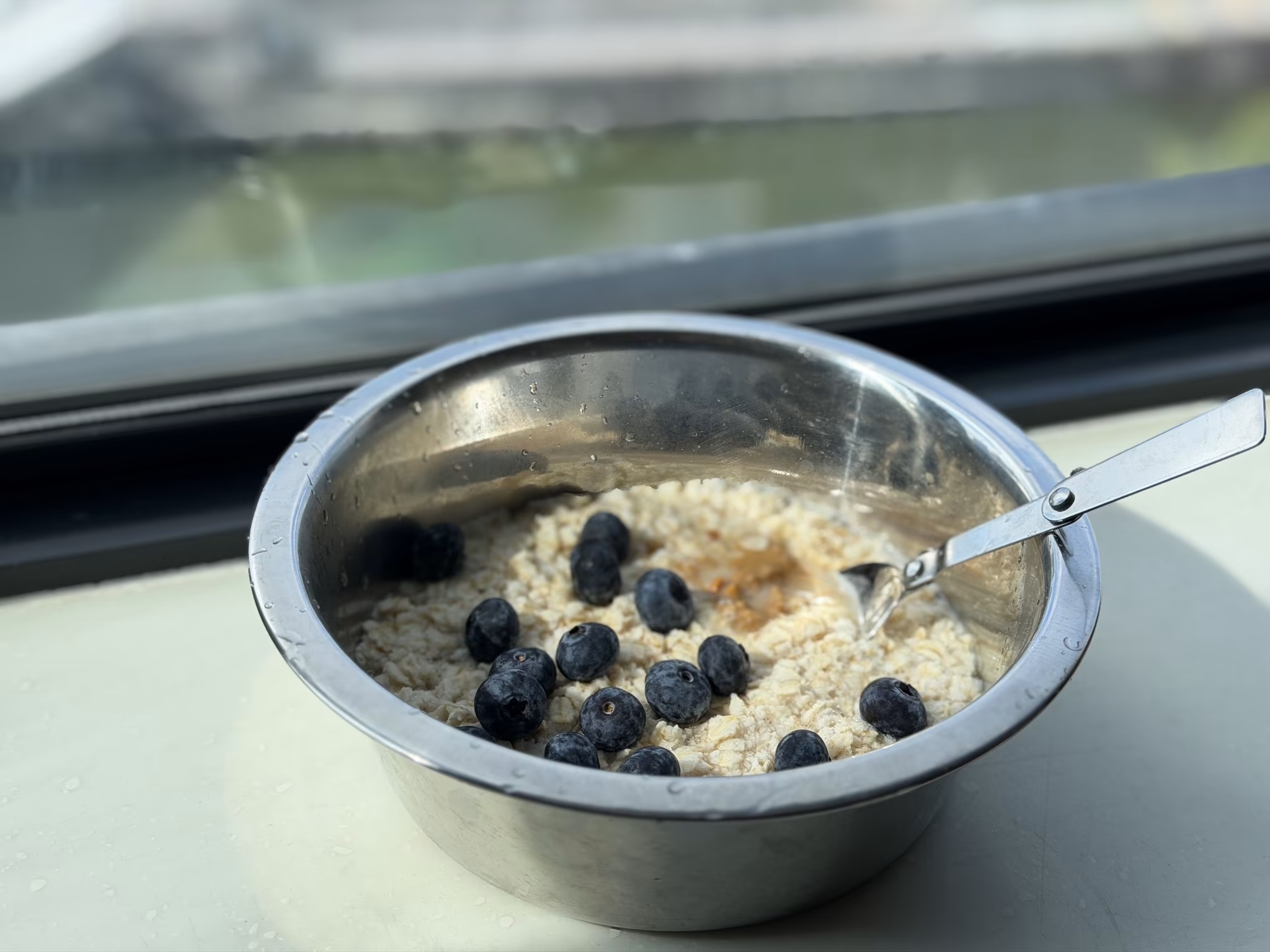
Sometimes I add rolled oats, especially if I have a marathon coming up, because nothing beats them for race morning. The caveat is that most packaged “oatmeal” is laced with sugar; Trader Joe’s sells a clean box of eight packets that are just oats, chia seeds, and flax, and big grocery stores’ bulk bins often carry plain rolled oats for pennies.
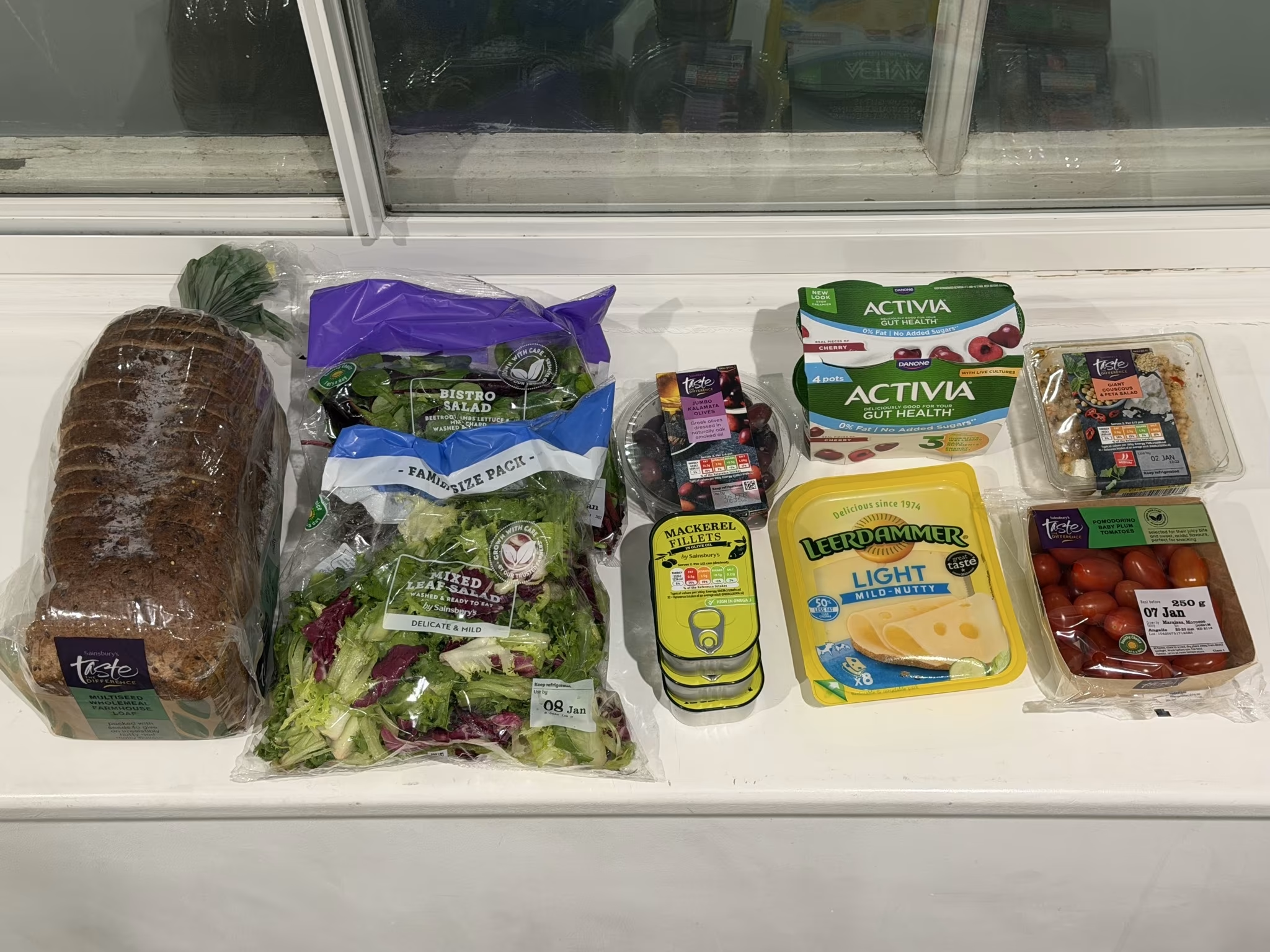
Shown above is US$31 worth of groceries from Sainsbury’s Local in London, and it lasted me two and a half days. Sometimes I round it out with corn tortillas and tins of sardines in hot sauce, sprouted bread with old-fashioned peanut or almond butter, and kimchi when I can find it. Sometimes yogurt and cheese, like in London.
Drinks
Most hotels have a coffee maker with coffee, and in the U.S. there’s usually a decaf option, which I prefer. I used to drink coffee almost never—except on marathon mornings for the caffeine—but starting this year I’ve had it nearly every day for the antioxidants. That’s a defensible habit—a book by Dr. Anthony Youn pointed out that Americans get the majority of their antioxidants from coffee specifically because they don’t eat enough vegetables. (A sad thought, and one that doesn’t apply to me.) Per cup, coffee actually packs more polyphenols than green tea, but I drink both—the green tea brings its own celebrated antioxidant, EGCG.
Decaf, though, is a potential minefield, and I’ve learned to tiptoe. Most supermarket decaf is decaffeinated by the “direct contact” method, soaking green beans in methylene chloride, a solvent the FDA lists as a reasonably anticipated human carcinogen. The EPA moved to phase out most uses of the chemical in 2024, and the FDA has proposed revoking its use as a coffee-processing solvent. Much of it boils off during roasting, but “much” is not the standard I want.
The genuinely clean route is the Swiss Water Process: beans soak in warm water to make “flavor-charged” water, which passes through a charcoal filter that traps the caffeine, then the beans re-soak and reclaim their flavor—no solvent at any step. Starbucks’ Swiss Water decafs are the Komodo Dragon Blend and the VIA Instant Decaf Italian Roast.
Whatever I coffee I drink, I usually drink it black or, if available, add a splash of some kind of milk. (At home, I’d add a scoop of collagen peptides, which dissolve completely and don’t alter the taste, plus cinnamon—but I usually don’t have the luxury of doing so on the road.) Importantly, I’d rinse my mouth with water immediately after to prevent teeth staining. On that subject, jasmine green tea stains less than regular green tea. Either way, give your enamel a half hour to re-harden before you brush.
Otherwise I drink water, sparkling water, kefir, and/or non-alcoholic beer. The latter has micronutrients and little sugar, and I’m convinced that it tastes better than “regular” beer with none of the numerous, well-known drawbacks brought by alcohol. (Maybe that’s an article for another day.)
Snacks
Sprouted bread and peanut butter. Corn tortillas with sardines in hot sauce, kimchi on the side or on top. Kimchi alone. Fruit. Nuts—almonds, macadamias, cashews, walnuts—read carefully, because the ones in the snack aisle are often fried in seed oil; the ingredients list will quietly reveal palm, peanut, or canola oil. Buy them raw or dry-roasted instead (dry-roasted just means baked in an oven without added oil).
Dark chocolate is my American go-to, and in the U.S. that’s Lindt—clean on heavy metals, everywhere, and honestly priced at around $7 a bar. I take the highest percentage on the shelf, which at home is 95% and in a pinch 85%. You’ll think 95% is bitter; I did too. But like black coffee and beer, you get used to it, and sweetened chocolate eventually tastes wrong. The body is habitual, and you can learn to like something.
In Spain, Mercadona’s own Hacendado brand sells an 85% bar with zero added sugar for €2.50. Tastes great, too.
A note about sardines
On a podcast with Dr. Youn and Dr. Pablo Prichard, the two doctors debated the single healthiest thing you can buy in a supermarket. Dr. Youn said kimchi; Dr. Prichard said sardines. I’ll take both. Sardines are small fish, so their heavy-metal load stays low—nothing like tuna. They’re cheap, usually under $2 a can and often under $1.50. And the ones packed in olive oil double as a salad dressing, which makes them practically two foods at once.
A note about EVOO
Nearly every anti-aging protocol I’ve read funnels down to the same pantry: unprocessed food, mostly vegetables, beans, legumes, nuts, berries, clean protein, and a generous pour of extra-virgin olive oil. EVOO is the rare “superfood” that earns the label. Because it’s cold-pressed rather than refined, it keeps its polyphenols—oleocanthal, oleuropein, and their kin—that ordinary oil has stripped away. Those compounds are linked to a lower risk of heart disease, type 2 diabetes, cognitive decline, and certain cancers.
In the landmark PREDIMED trial, a Mediterranean diet heavy on EVOO cut serious cardiovascular events by roughly 30%. European regulators even let labels claim that its polyphenols protect blood lipids from oxidative stress.
Nearly all the fat I eat each day comes from EVOO, avocados, old-fashioned peanut butter, fish, and nuts. There may be no cheaper, more potent upgrade to your health than a better bottle of salad oil.
What I eat salads (or oatmeal) in
The vessel matters more than you’d think. In 2025, when I had a rental car, I’d stop at a Dollar Tree and buy the largest bowl on the shelf.
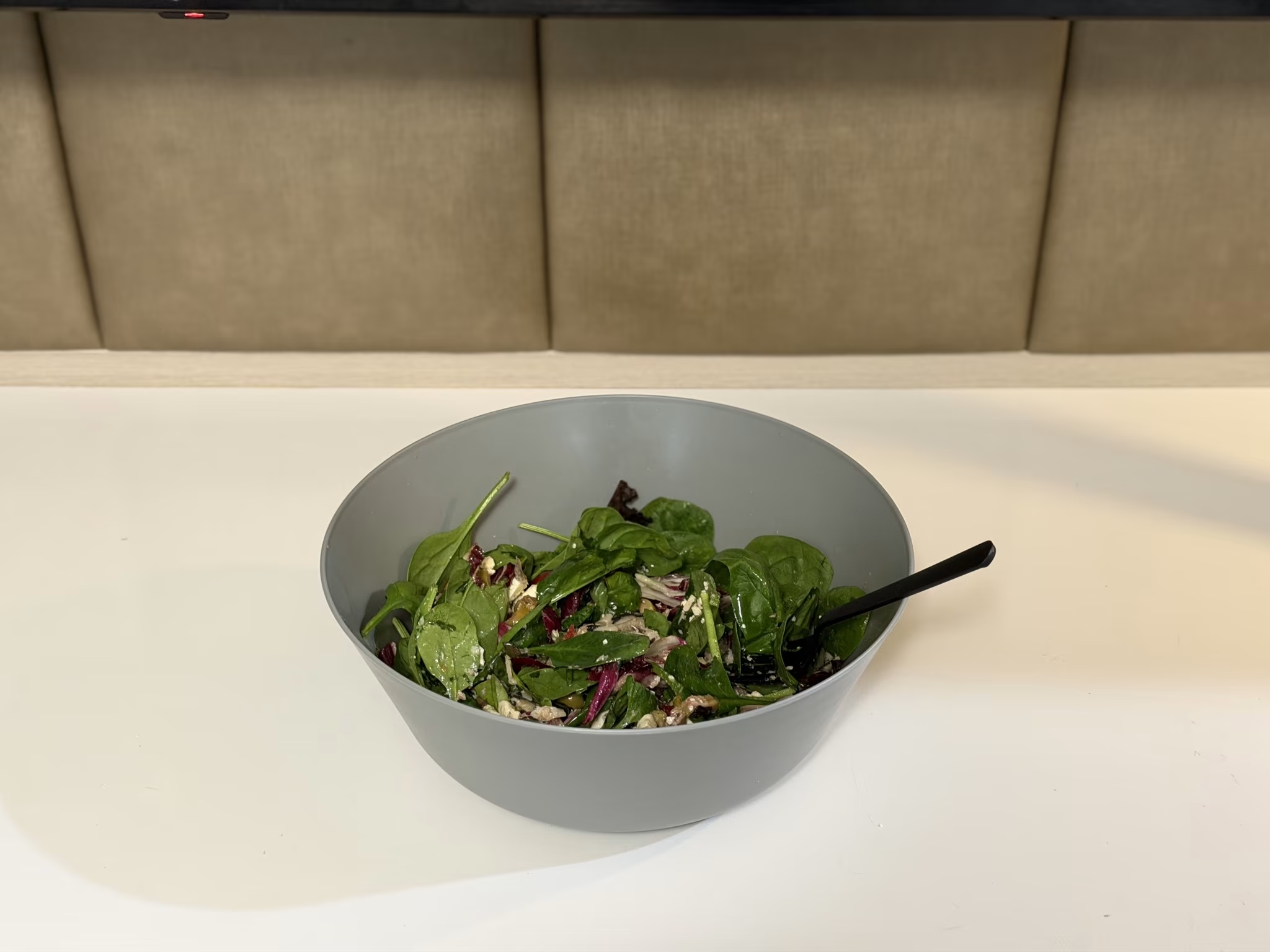
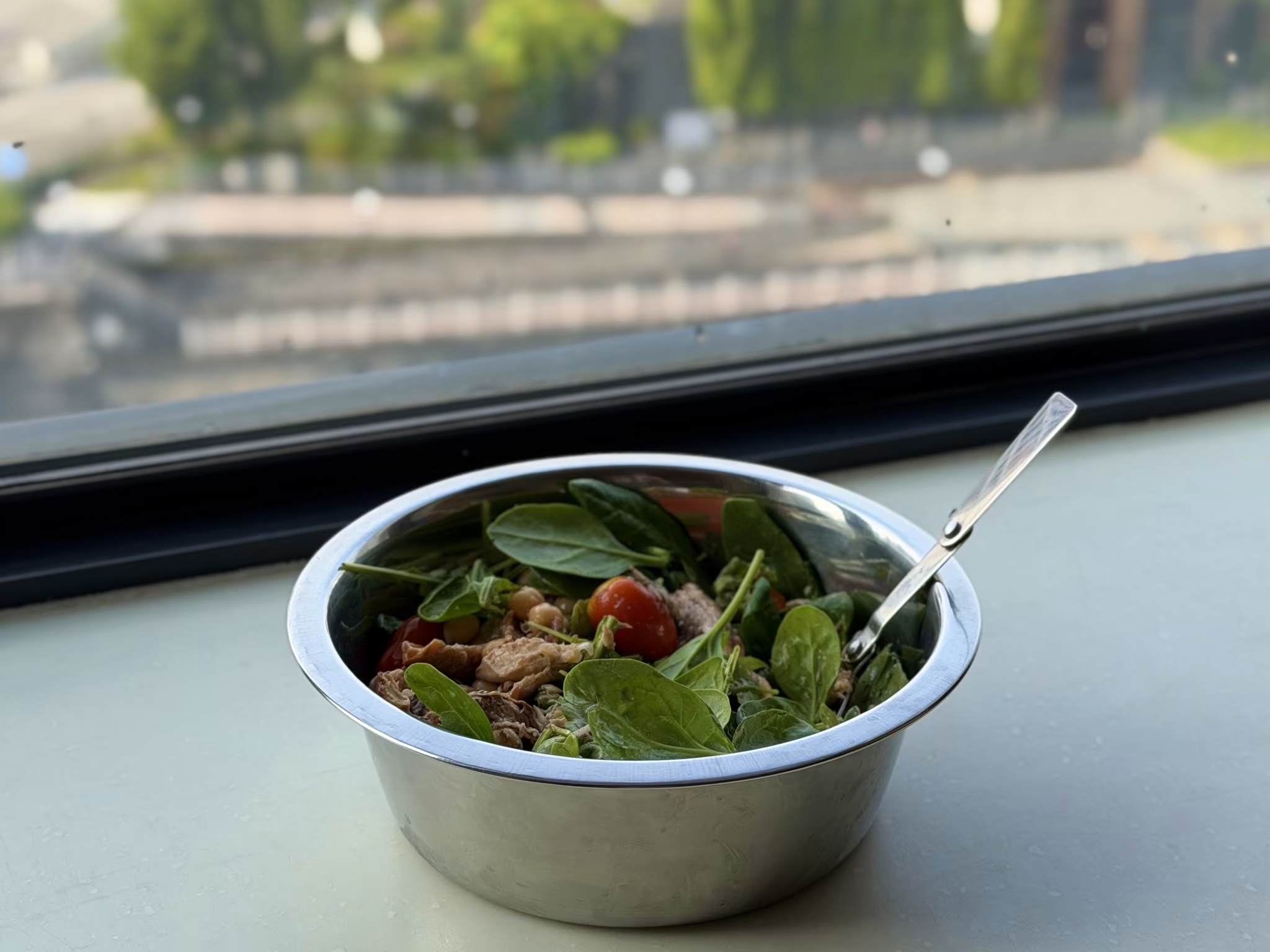
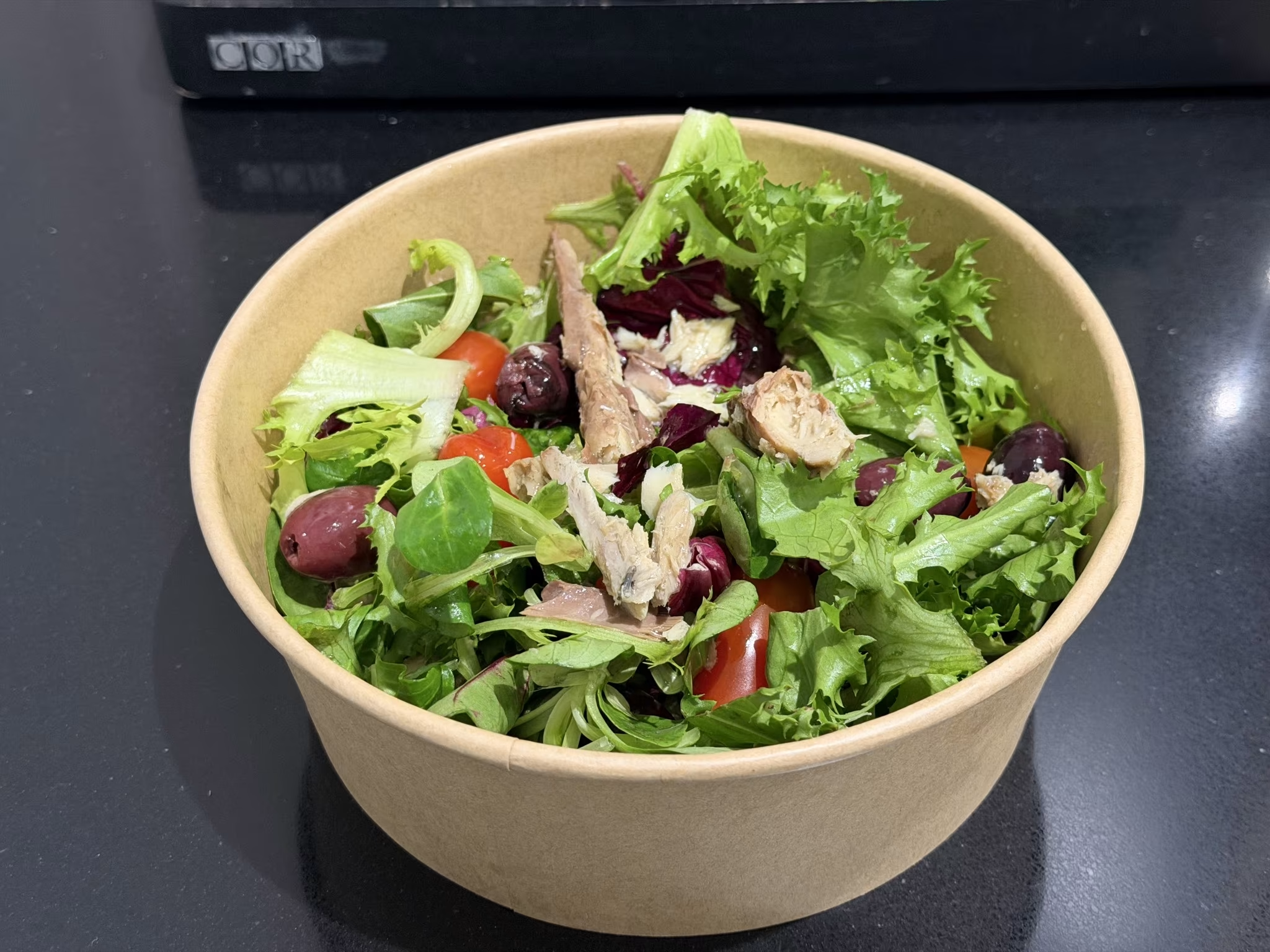
The one above is from Tucson. The problem was that they were plastic; not ideal if you are concerned about microplastics. I also reused disposables—in London I saved a coated-cardboard salad bowl from the grab-and-go chain León and made salads in it for days. Then, during one trip in 2026, I couldn’t find a bowl large enough in Dollar Tree, and that’s when I found the upgrade: a big stainless-steel doggie bowl.
Deep, stainless, and sized to tuck into my Cotopaxi backpack without eating up any space—the bowl fits around the things already inside it. It’s reasonably lightweight too. After that, I’ve been bringing the doggie bowl to destinations with me now so I don’t have to look for a bowl.
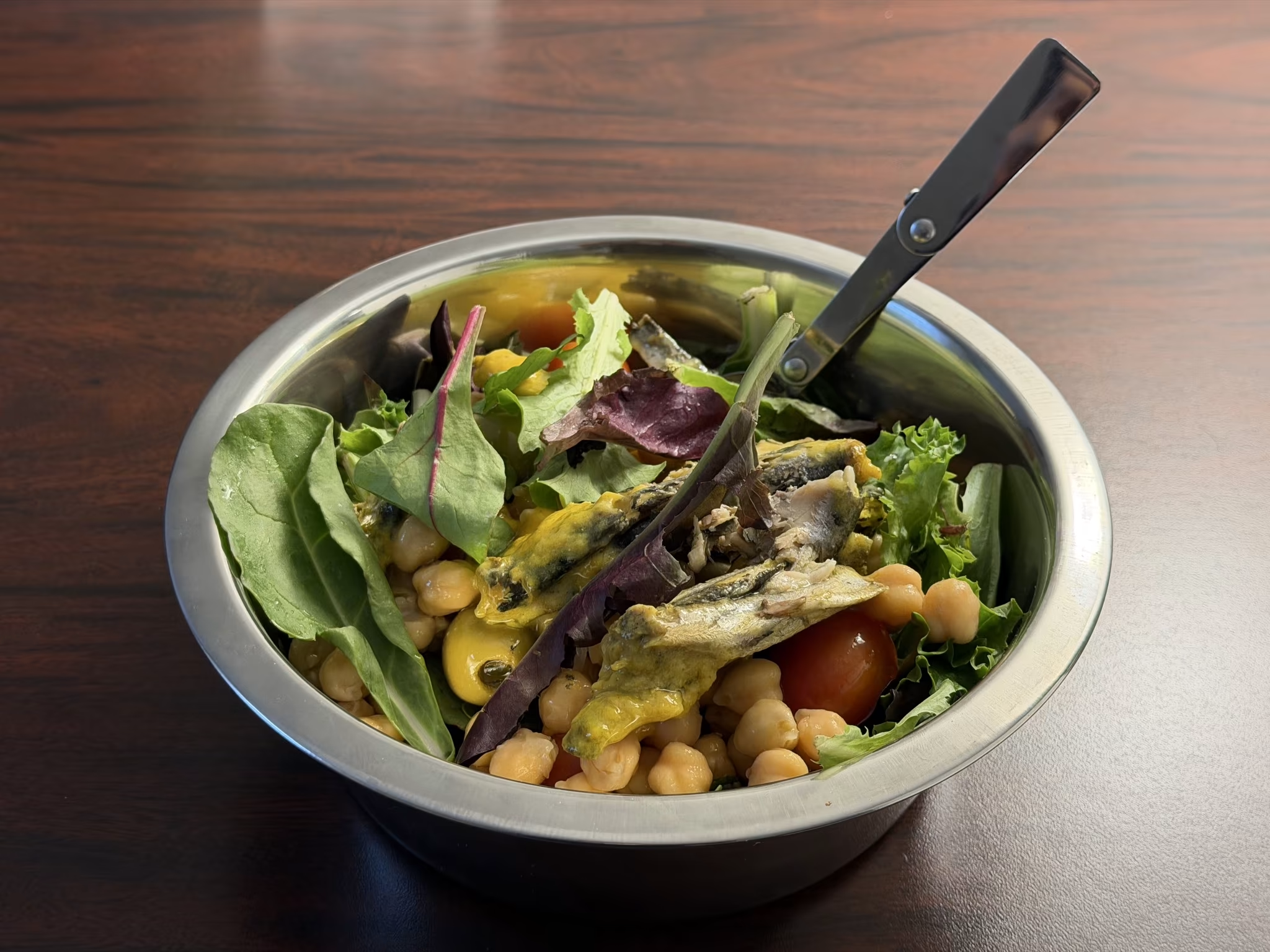
The only downside is that steel won’t go in a microwave. That turns out to be a non-issue: nearly every hotel has either a coffee machine (North America) or an electric kettle (Asia) for boiling water. If there’s only a microwave, you can heat water in a mug. I always pack a foldable stainless-steel spoon, which doubles as a passable fork and knife—and a foldable spork would be even better, back before I lost one to the TSA thieves confiscators.
Lodging
You would think a man who doesn’t eat out while traveling would insist on a kitchenette, and you’d mostly be right—I prefer them not just for the plates and glasses but because they’re usually suites with more square footage.
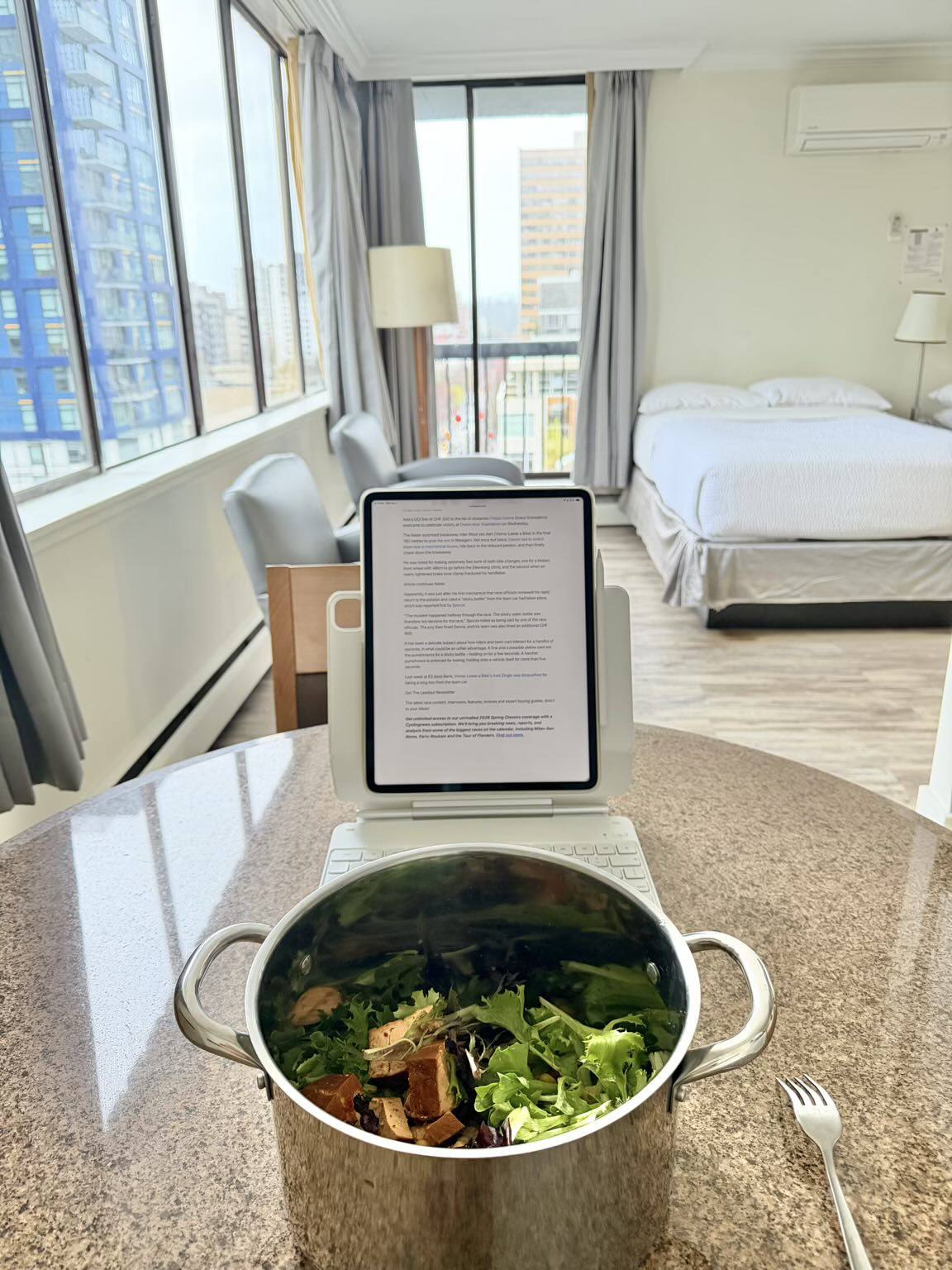
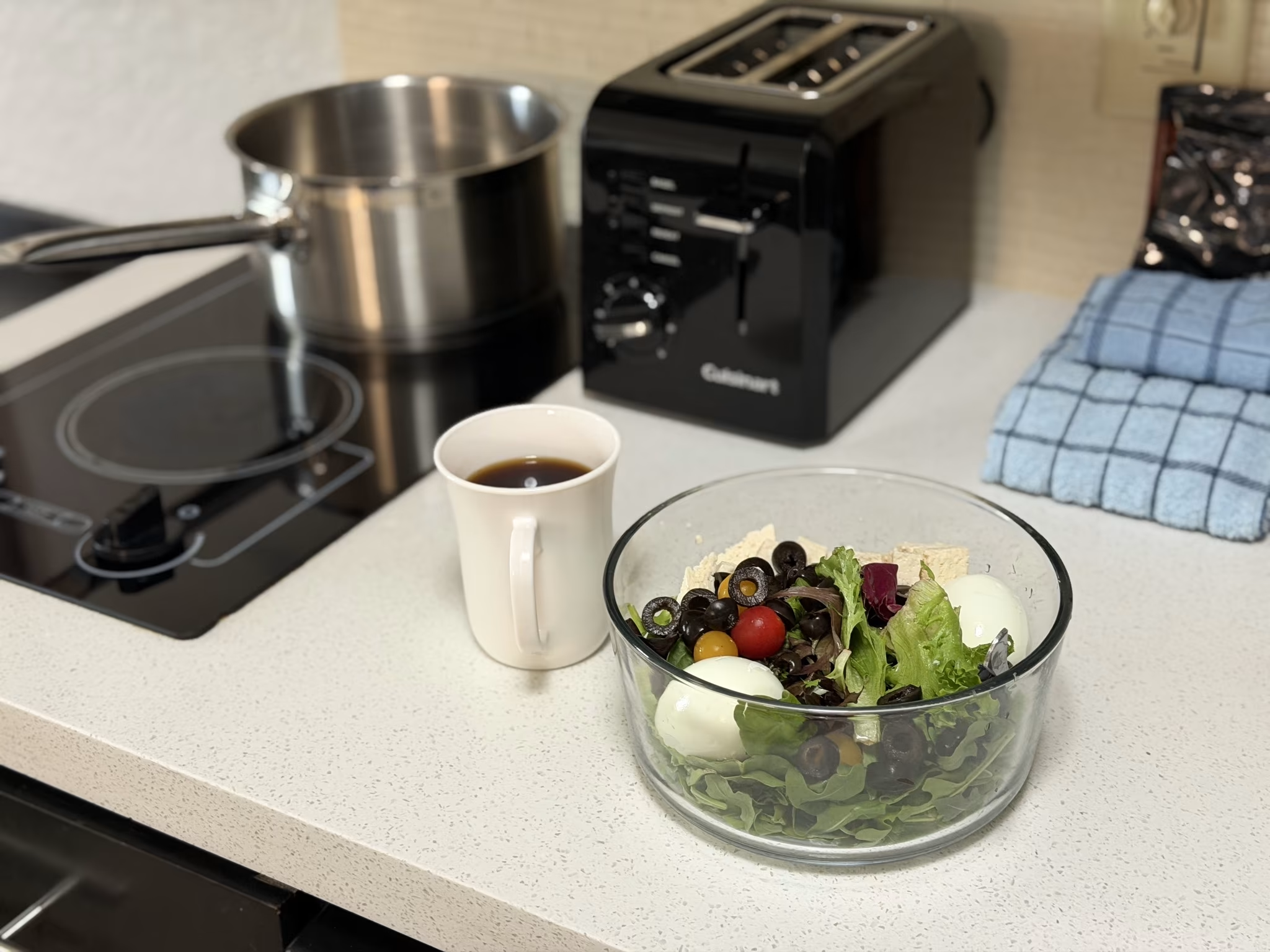
But a kitchenette isn’t a requirement. I don’t actually cook on the road; the single exception is a marathon weekend, when I’d rather boil my own spaghetti in a kitchenette than gamble on some chain pasta house—good muscle memory for a race morning. (I keep meaning to test whether angel-hair pasta can be soaked soft in the hotel boiler’s hot water alone, straight in the doggie bowl—great trick for camping if it works.) I won’t pay a big premium for a kitchenette, because almost every hotel room has a mini-fridge, and my shopping list keeps fine in one for a couple of days—even a couple of days without, honestly.
When I eat out
When I do eat out, I keep it fast and clean. Chipotle is my favorite—I even found one in London—and CAVA runs the same model for Mediterranean food. When I asked Microsoft Copilot to rank fast-casual chains against a longevity diet, it put CAVA in the “Elite Longevity” tier and Chipotle nearly as high, in Tier A. For contrast it slotted Subway—a chain I’ve started boycotting on principle, for the service, the occasional price gouging, and the quality-control slips—into “Tier D, Longevity Unfriendly,” the same rung as Taco Bell. And “Tier F, Actively Anti-Longevity” was reserved for the fried-chicken and burger chains: KFC, McDonald’s, and their ilk.
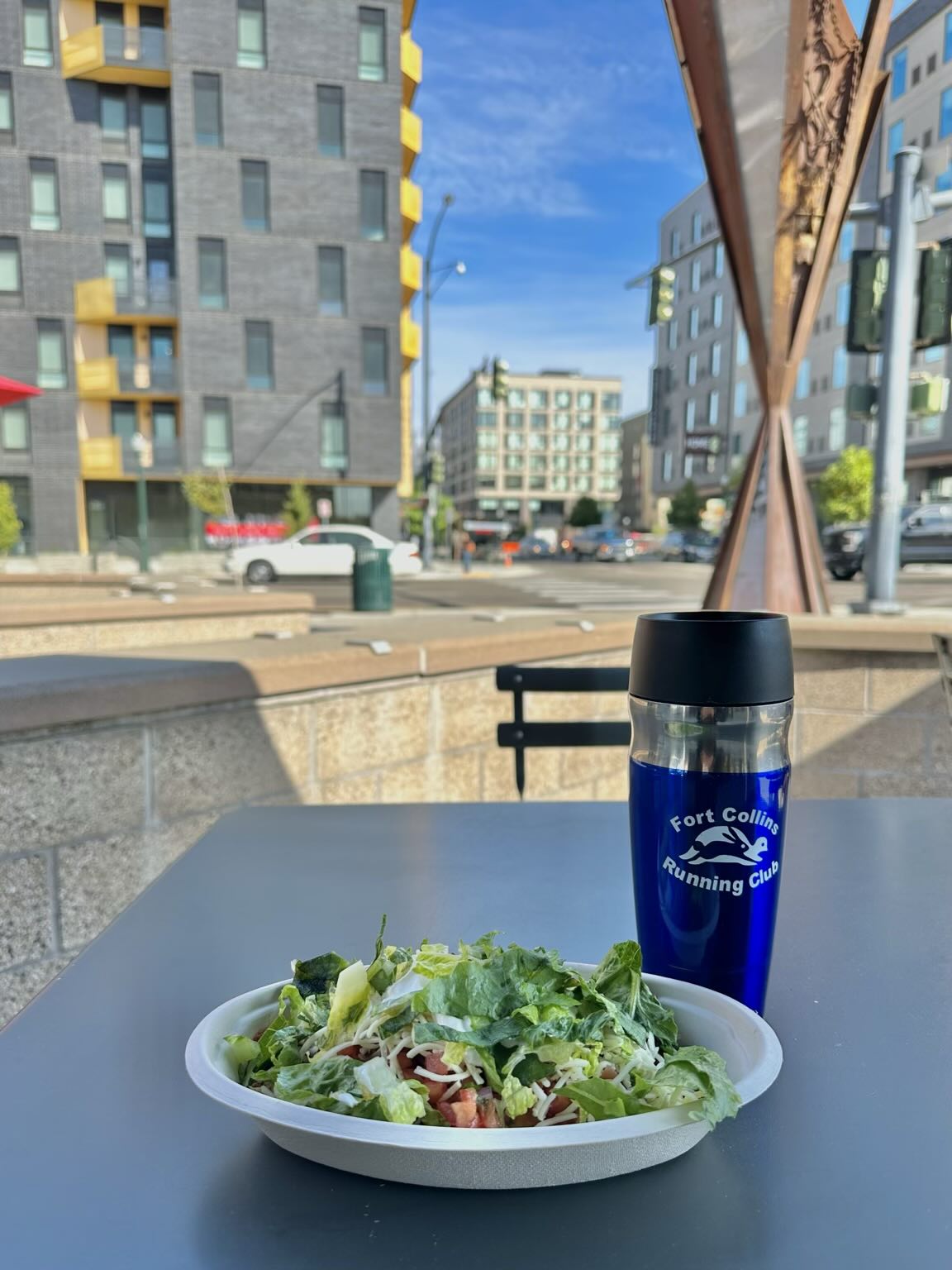
In Spain, there’s no Chipotle. However, in Madrid and Barcelona there’s a local chain called Tierra Burrito Bar that is a 100% copy of Chipotle. Since the real thing doesn’t exist, I’ll gladly take it—especially one using Spanish-sourced ingredients.
For a sit-down meal, Asian restaurants usually have plenty of options built on meat and vegetables. Vietnamese and Japanese strike me as the cleanest; I love Indian food; Thai and Chinese can work if I steer clear of anything fried in vegetable oil. As of 2026 my standard move is to photograph the menu and ask an AI chatbot (right now that is Copilot, since it already knows my food preferences and longevity goals, but I anticipate using Siri AI when that finally is out) to pick a dish.
And if a place is famous for something, I’ll still eat it. Nashville hot chicken, Kansas City barbecue, a Primanti Bros. sandwich in Pittsburgh—local specialties are part of the point of travel, so I’ll go, and I’ll just order the least-damaged version on the menu. I eat clean about 95% of the time, and I don’t feel a moment of guilt about the other 5%.
Conclusion
I travel a lot, and a lot of people watch the pounds pile on because they eat out so much more on the road. The way I eat while traveling barely deviates from how I eat at home, which is the whole trick. It’s easy. It saves the time you’d lose walking or driving somewhere and ordering. It saves money. Most of all it saves my health, letting me stay true to an antioxidant, anti-inflammatory, anti-aging, anti-ultra-processed-food protocol even thousands of miles from my own kitchen.
If you travel without sacrificing your health or busting your wallet on restaurant tabs—and spend your truest travel hours turning a grocery bag into a perfect salad in a doggie dish—then consider this article a success. Eat clean, friends.