A Proper Introduction to Annapolis, Maryland

Eight years ago, I rolled into Annapolis, Maryland under circumstances that were, to put it charitably, suboptimal for sightseeing. I was the crew chief of a 30-person team that had just fielded eight cyclists on four tandem bicycles in the Race Across America—including four blind cyclists, making ours the first team to complete RAAM with four visually impaired riders. By the time Team Sea to See crossed the finish line at City Dock, every one of us was operating on whatever’s left of a human brain after four days without sleep. I remember photos underneath the finishing banner. I remember the harbor. I don’t remember much else.
So when my entry into the B&A Trail Marathon gave me an excuse to come back, I took it—this time with functioning brain cells, a jogging itinerary, and genuine curiosity about the place. Conveniently, AI had done the planning legwork when I asked: visit the Maryland State House, the William Paca House and Garden, and the U.S. Naval Academy. All within jogging distance of each other. Easy.
The drive in was the first pleasant surprise. Traffic was light—a dramatic contrast to Nashville just a few days earlier, where the interstate had the energy of a parking lot that had given up on itself. Annapolis sits roughly 25 miles south of Baltimore and 30 miles east of Washington, D.C., close enough to both metropolitan areas that perpetual gridlock would be forgivable. Instead it felt removed from all of it, a city of around 40,000 that somehow got the memo that smaller can be calmer.
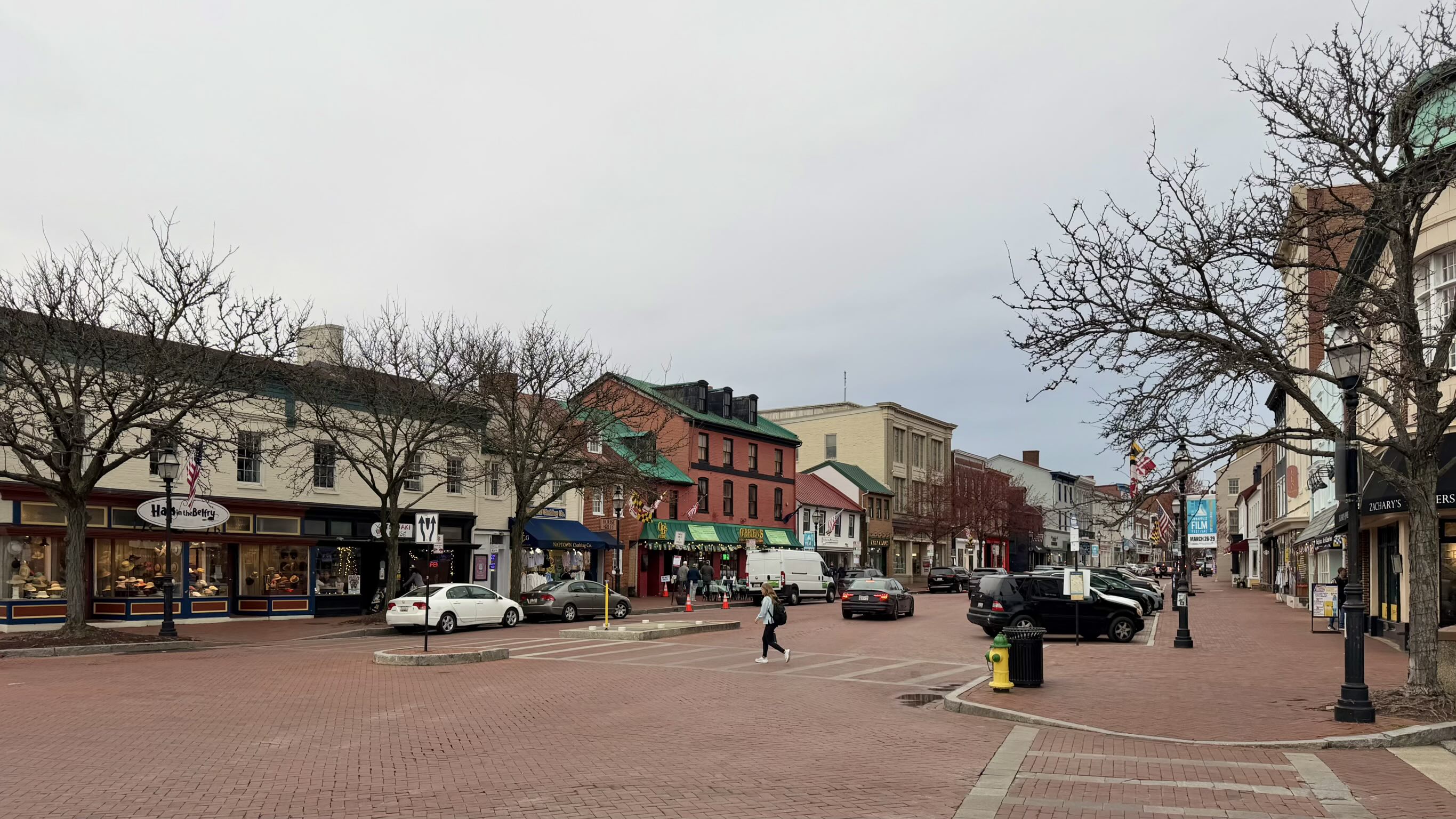
The second thing you notice—after the water, which you glimpse constantly between buildings—is the brick. The streets are brick. The buildings are brick. Even the sidewalks are brick. Annapolis is a city that committed to a material sometime in the 18th century and never looked back, and the effect is something between a living colonial museum and a very tasteful stage set.
Travel + Leisure ranked it among the top U.S. cities in its annual readers’ survey in 2024. CNN Travel named it one of America’s best towns to visit in 2025, mentioning the Middleton Tavern and how it is might be the oldest tavern in the U.S. I jogged by that tavern a half-dozen times during this trip and had I read the CNN Travel article beforehand, I would have stopped inside. (AI didn’t flag it before I went!)
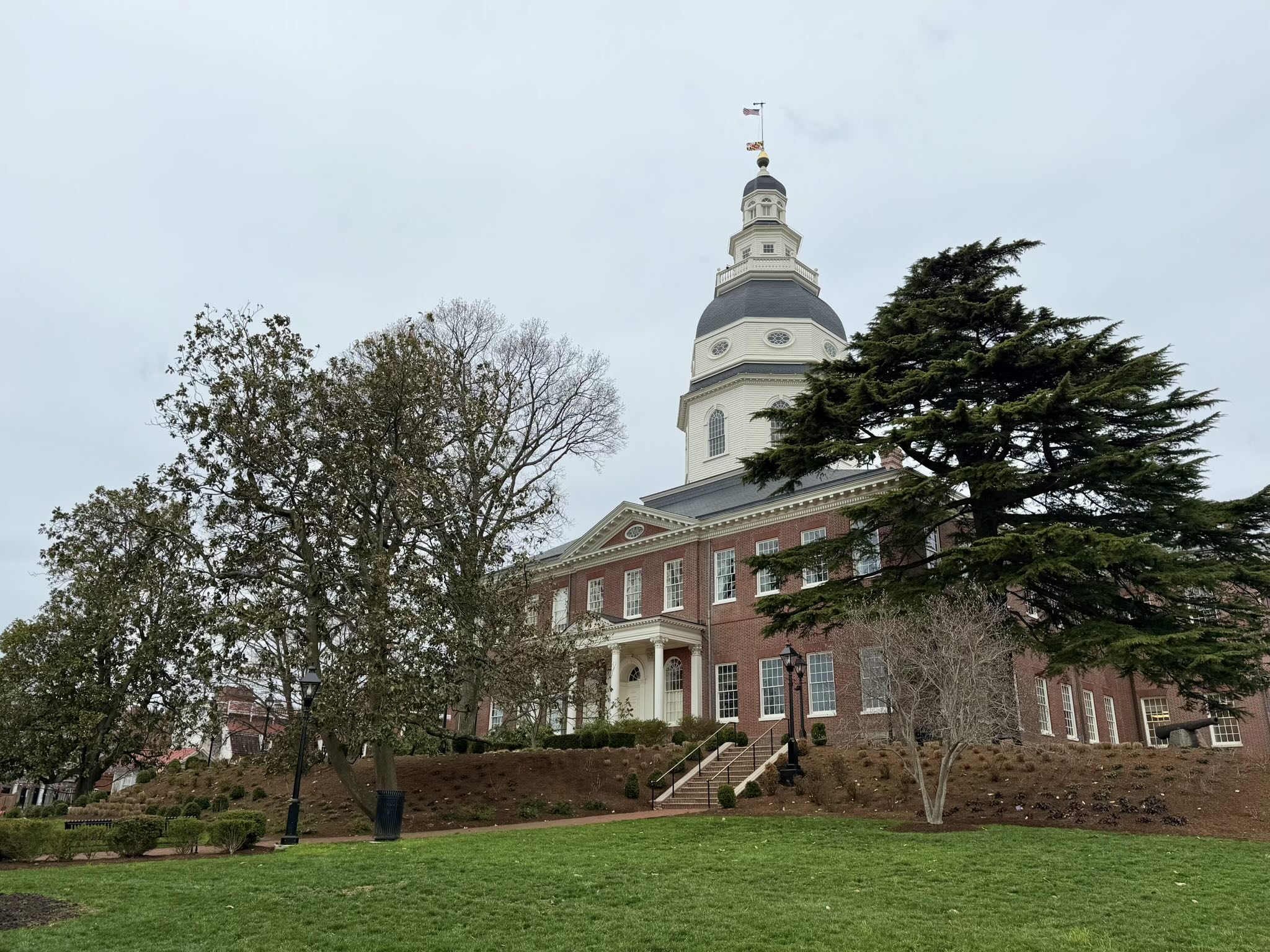
The Maryland State House sits atop State Circle like the centerpiece of a very serious board game. It is, per its own fact sheet, the oldest state capitol in continuous legislative use in the nation, built beginning in 1772—and yes, also brick. What makes it genuinely extraordinary, though, is the dome. It is the largest wooden dome in the United States constructed without a single nail. The entire structure was assembled using wooden pegs and iron straps, the timber sourced from a cypress swamp on Maryland’s Eastern Shore. The lightning rod that tops it was built to Benjamin Franklin’s own specifications—which, in 1788, was as much a political statement about American ingenuity as it was practical storm management. King George III, it should be noted, preferred a different type of lightning rod. The colonists disagreed.
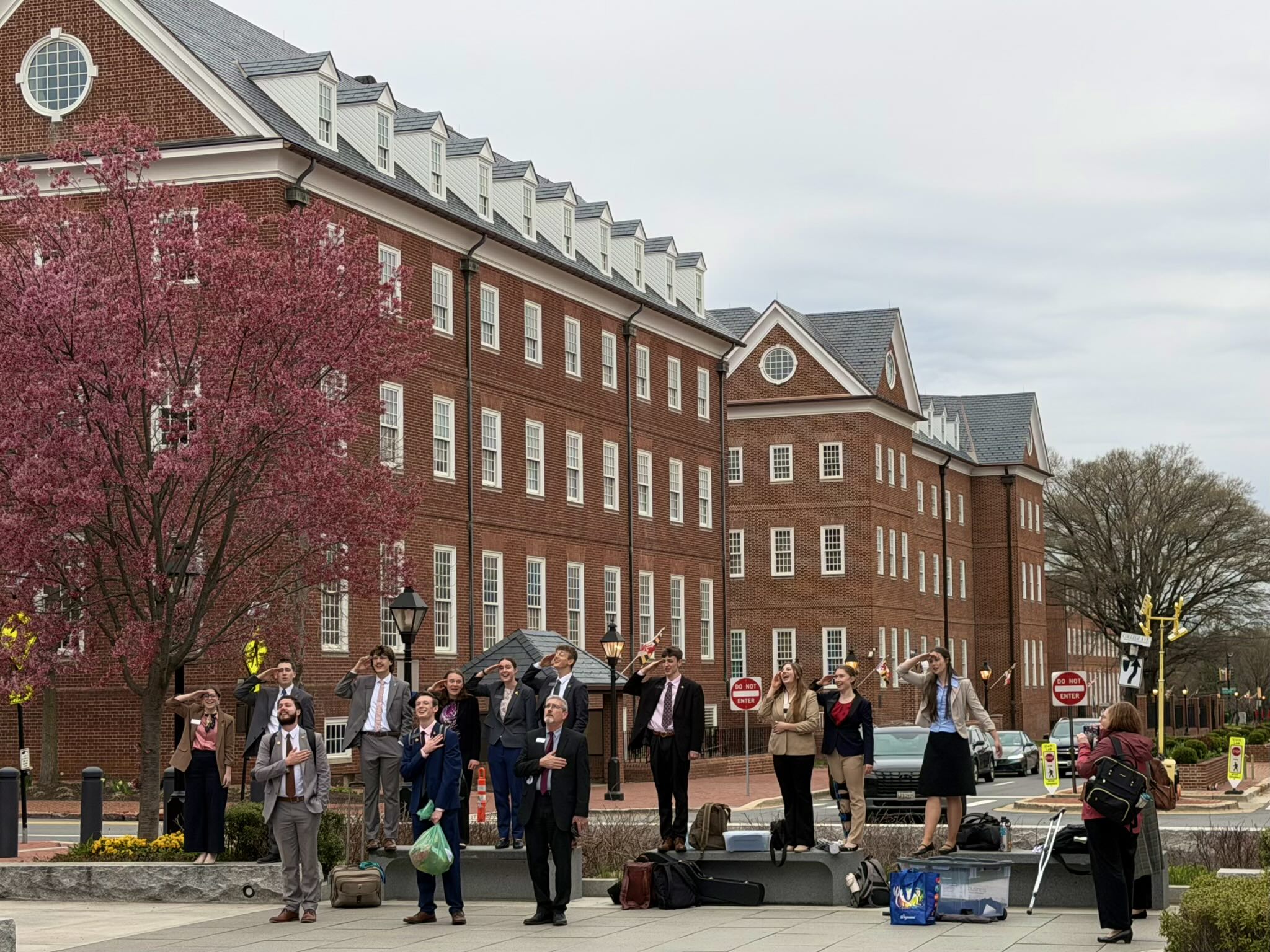
When I jogged up to the State House, a group was out front singing a song about the Pledge of Allegiance. It was the kind of scene that would feel awkward in a movie but lands completely differently when you’re slightly winded and standing in front of a building where George Washington resigned his commission as Commander-in-Chief of the Continental Army. A month later, in that same room, the Treaty of Paris was ratified, formally ending the Revolutionary War. The building served as the capitol of the United States from November 1783 to August 1784. Not a bad résumé for something held together with wooden pegs.
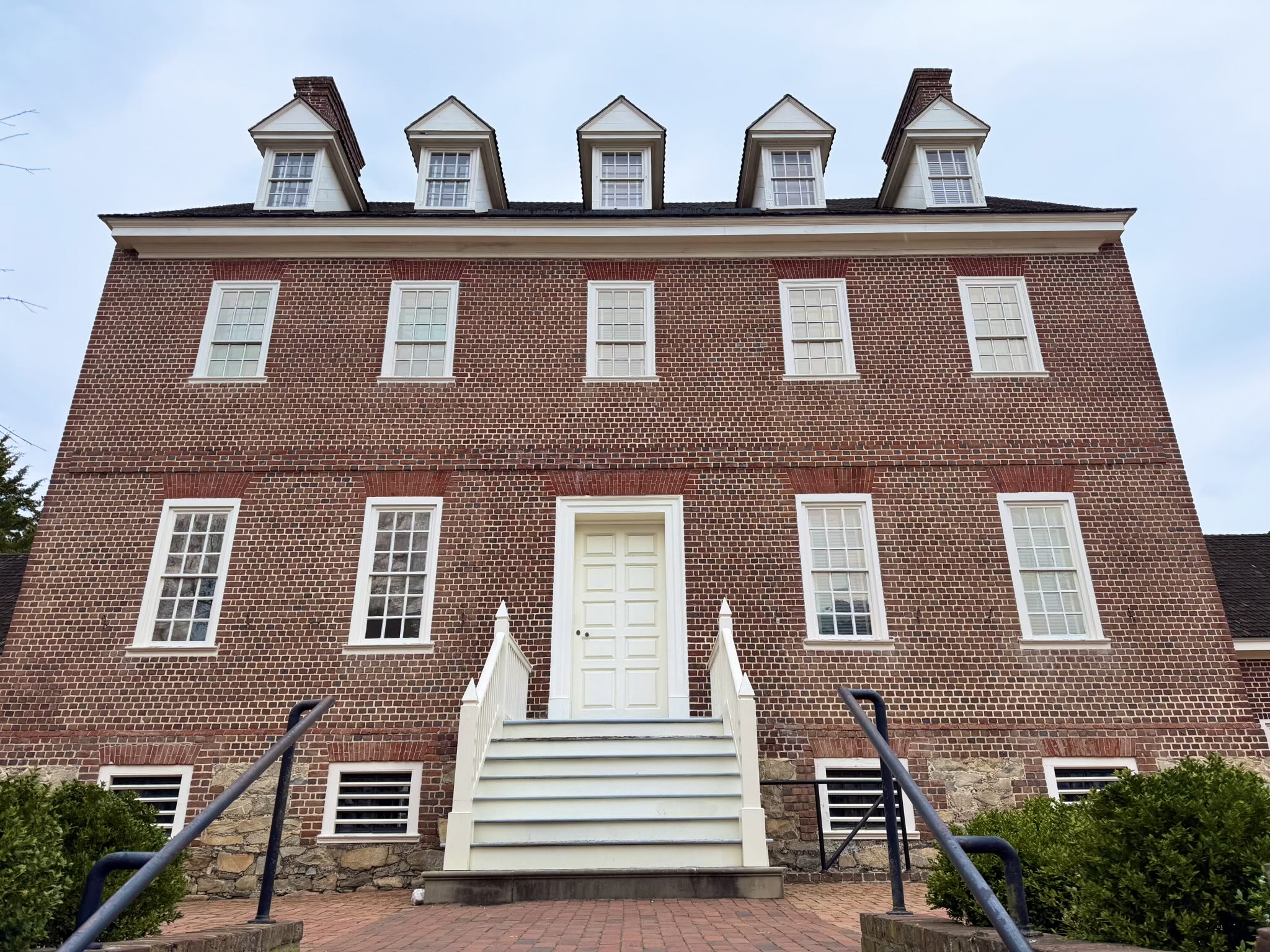
From State Circle I jogged down to the William Paca House and Garden on Prince George Street, a five-part Georgian mansion built in the 1760s for William Paca—one of Maryland’s four signers of the Declaration of Independence and eventually the state’s third Governor. He had the good sense to marry Mary Chew, whose family connections and wealth funded a house with two acres of terraced pleasure gardens, a fish-shaped pond, and a Chinese Chippendale bridge over it. The house later became a hotel lobby and was very nearly demolished in the 1960s before Historic Annapolis stepped in. It’s now a National Historic Landmark, and Annapolis has the distinction of being the only city in the country with surviving homes of all its state’s Declaration signers. I passed it on a light rain—no umbrella necessary, the kind of drizzle that just keeps everything cool—stopping to admire the exterior for a minute.
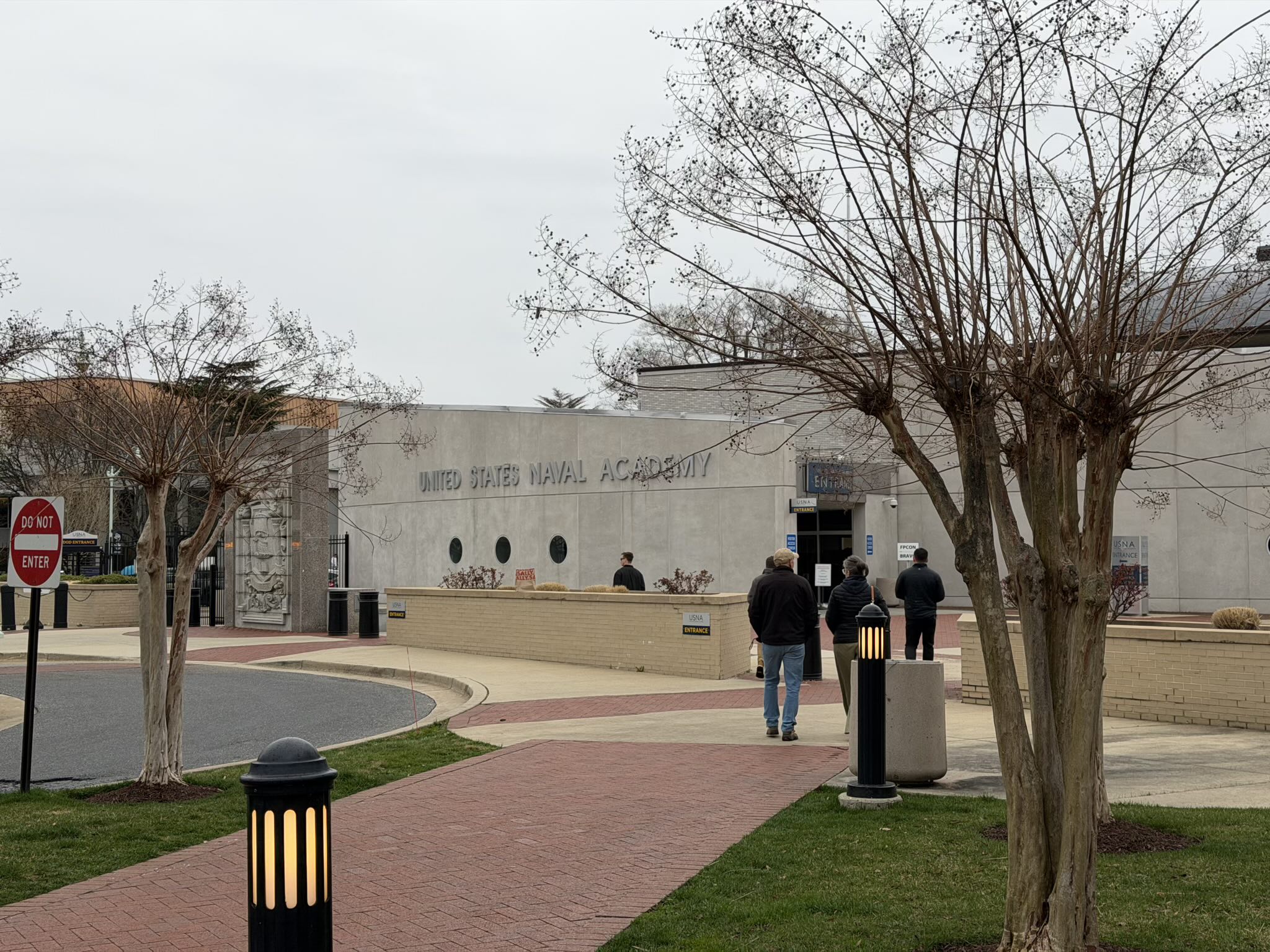
Continuing on, I passed the U.S. Naval Academy, founded in 1845 on the banks of the Severn River. Its campus has an authority that makes you instinctively improve your posture. Across King George Street sits St. John’s College, founded in 1696 as King William’s School—which makes it the third oldest college in America by founding date, behind Harvard (1636) and the College of William & Mary (1693). If you rank instead by collegiate charter date, St. John’s drops further down the list; its charter came in 1784, placing it behind Yale (1701), Princeton (1746), and Columbia (1754), among others. Whether it’s the third oldest depends on whether you think a school begins when it starts teaching students or when it gets its paperwork in order.
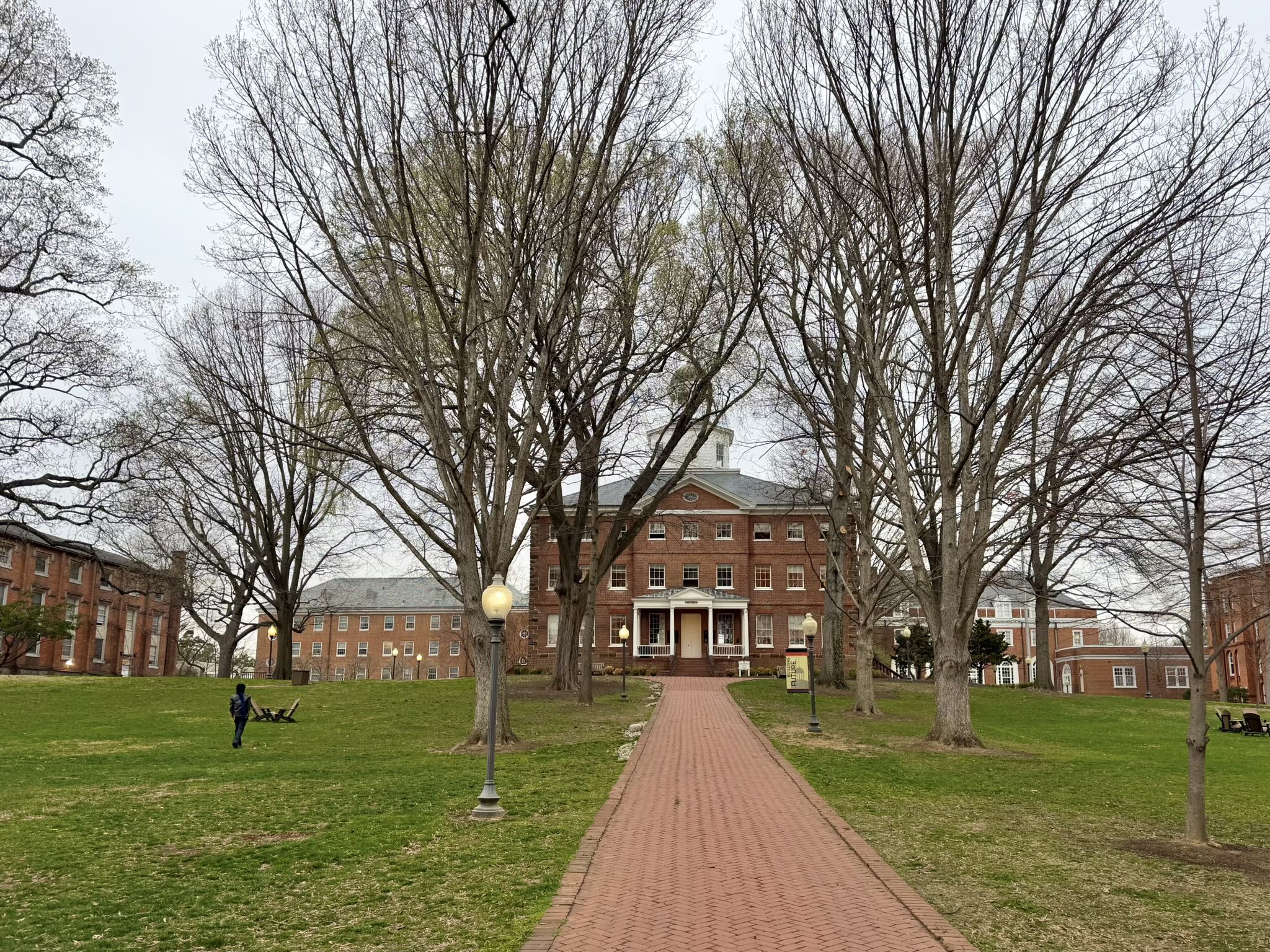
Either way, Francis Scott Key attended, which secures its place in the historical footnotes regardless of how the rankings shake out.
The proximity of St. John’s and the Naval Academy has inspired comparisons to Athens and Sparta. (Interestingly, the city I was just a couple of days ago—Nashville—has also drawn many comparisons to Athens!) The most tangible evidence of this dynamic is their annual croquet match, which draws over 7,000 spectators. St. John’s, per their own accounting, has won the majority of matches played. The Johnnies are apparently serious about their croquet.
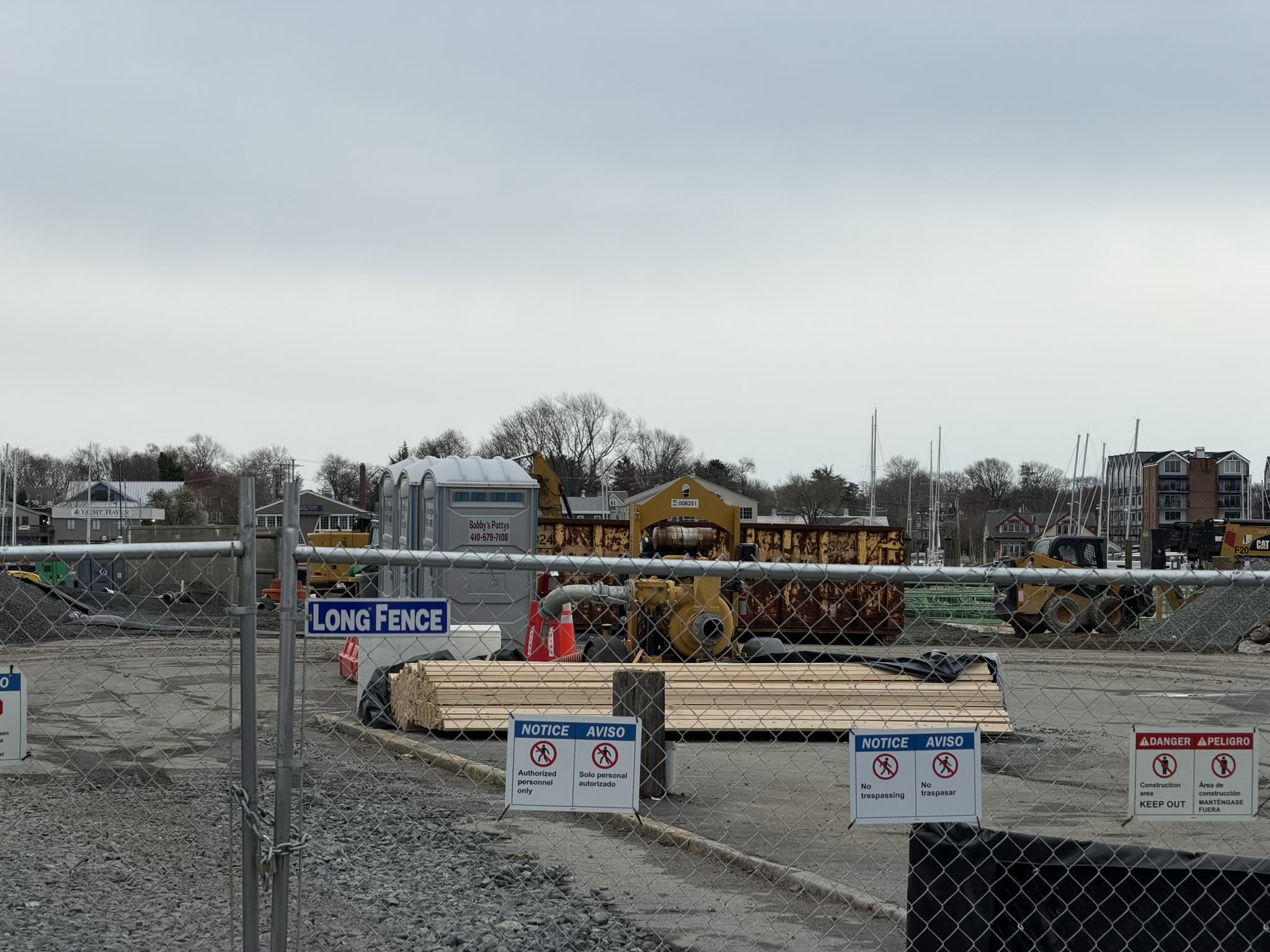
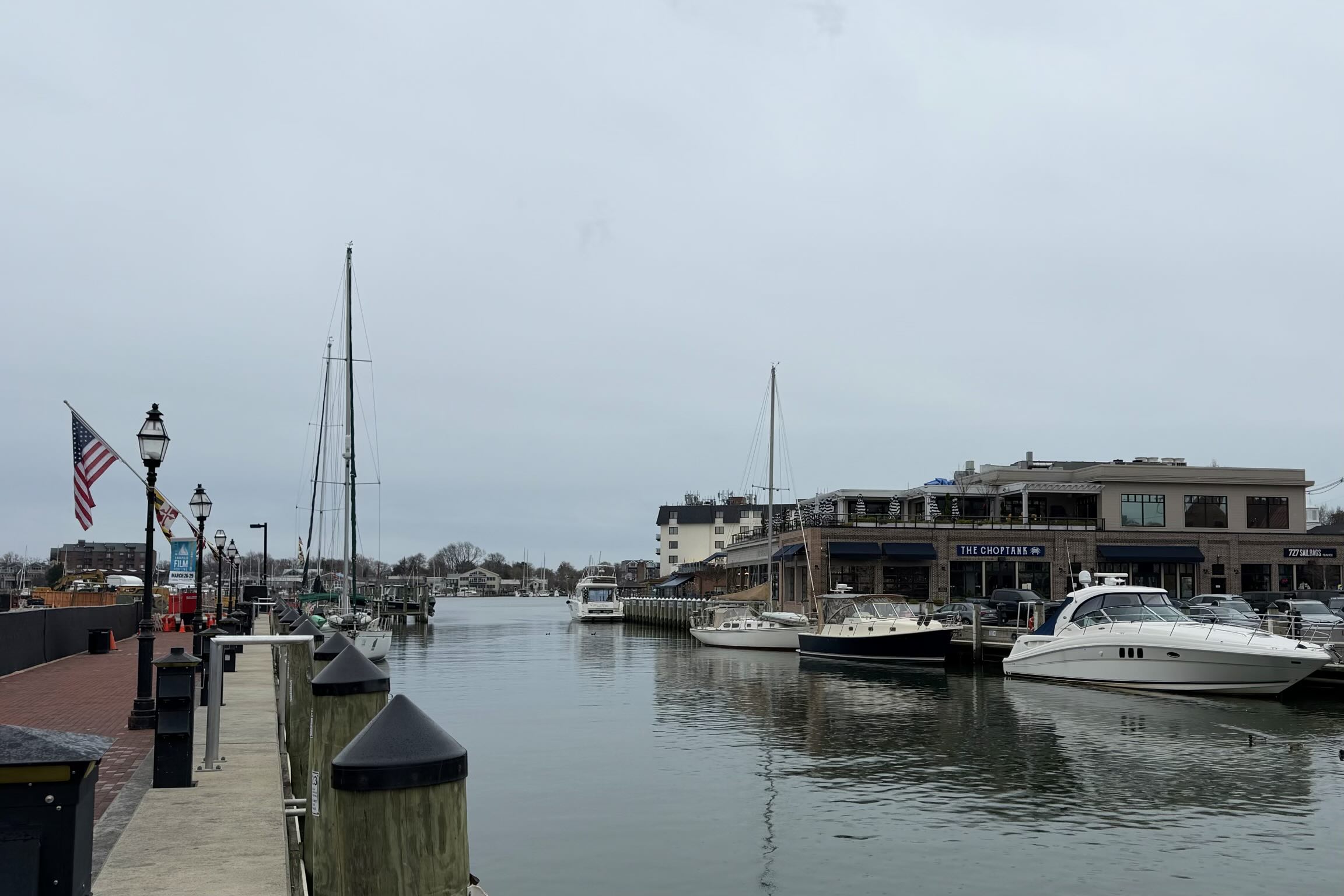
My loop eventually brought me to City Dock—the finish line from eight years ago, the place where a team of sleep-destroyed cyclists and crew members had stood together in triumph. I had been looking forward to seeing it again with clear eyes.
Instead, I found construction fencing. The entire dock area was surrounded by renovation barriers. Whatever moment of recognition I had been building toward was simply not available at this time.
The adjacent harbor was open and entirely itself—sailboats, working boats, and the general energy of a city that takes its identity as America’s sailing capital with full seriousness, even if Newport, Rhode Island, occasionally disputes the title. More than 3,000 boats occupy the town’s harbors and marinas. The October Annapolis Sailboat Show, held at City Dock, is the largest all-sailboat in-water show in the world. On Wednesday evenings in summer, local commerce shuts down so people can participate in the weekly races. This is a place where sailing is not a hobby; it is the civic religion.
I jogged back through downtown, past trendy boutiques tucked between 18th-century facades, cool and comfortable in the light rain. I was wearing jeans. This was not my finest gear judgment, but the weather cooperated well enough that the question never became critical.
Annapolis gave me what I had come for: a proper introduction to a city I had technically visited but never actually seen. The only unfinished business is City Dock, still behind its chain-linked fencing, still owing me a memory of the RAAM finish line. Too bad—this time I was even awake enough to remember it.