Rocket City Surprise: Exploring Huntsville, Alabama

Before my trip to Alabama, I could have summarized my impressions of the state in about three words: civil rights, heat. My mental image had been assembled over a lifetime from history class and the news: Rosa Parks refusing to give up her seat on a Montgomery bus in 1955; the Birmingham Children’s Crusade of 1963, when peaceful young marchers were met with fire hoses and police dogs; Bloody Sunday in 1965, when state troopers beat voting rights marchers attempting to cross the Edmund Pettus Bridge in Selma. Heavy, formative stuff. No one could blame you for leading with that.
Then there was the other influence. Years back, the three hosts of the British motoring show Top Gear drove through Alabama on one of their American road trips. As part of a dare, they painted provocative slogans on each other’s cars—”NASCAR sucks,” “Hillary for president,” “Man love rules OK”—and proceeded to drive them through the state. Things escalated quickly at a gas station, where the crew was threatened and rocks were thrown at the cars as they sped away. It was very funny television. It was also not exactly a chamber of commerce advertisement for Alabama.
So I arrived in Huntsville with modest expectations and a high SPF.
Rocket City
What I was not prepared for was to land in one of the most fascinating cities in the American South.
Huntsville’s nickname is Rocket City, and it earns that name. The Saturn V rocket—the vehicle that carried astronauts to the moon—was developed here, a direct outgrowth of the German rocket engineers Wernher von Braun brought to Redstone Arsenal after World War II. NASA’s Marshall Space Flight Center opened on the arsenal grounds in 1960, and the rest, as they say, is aerospace history. I visited the U.S. Space & Rocket Center (more on that in a separate post), but the rocket legacy permeates the whole city. It felt a bit like finding out that the town you thought grew corn actually invented the microprocessor.
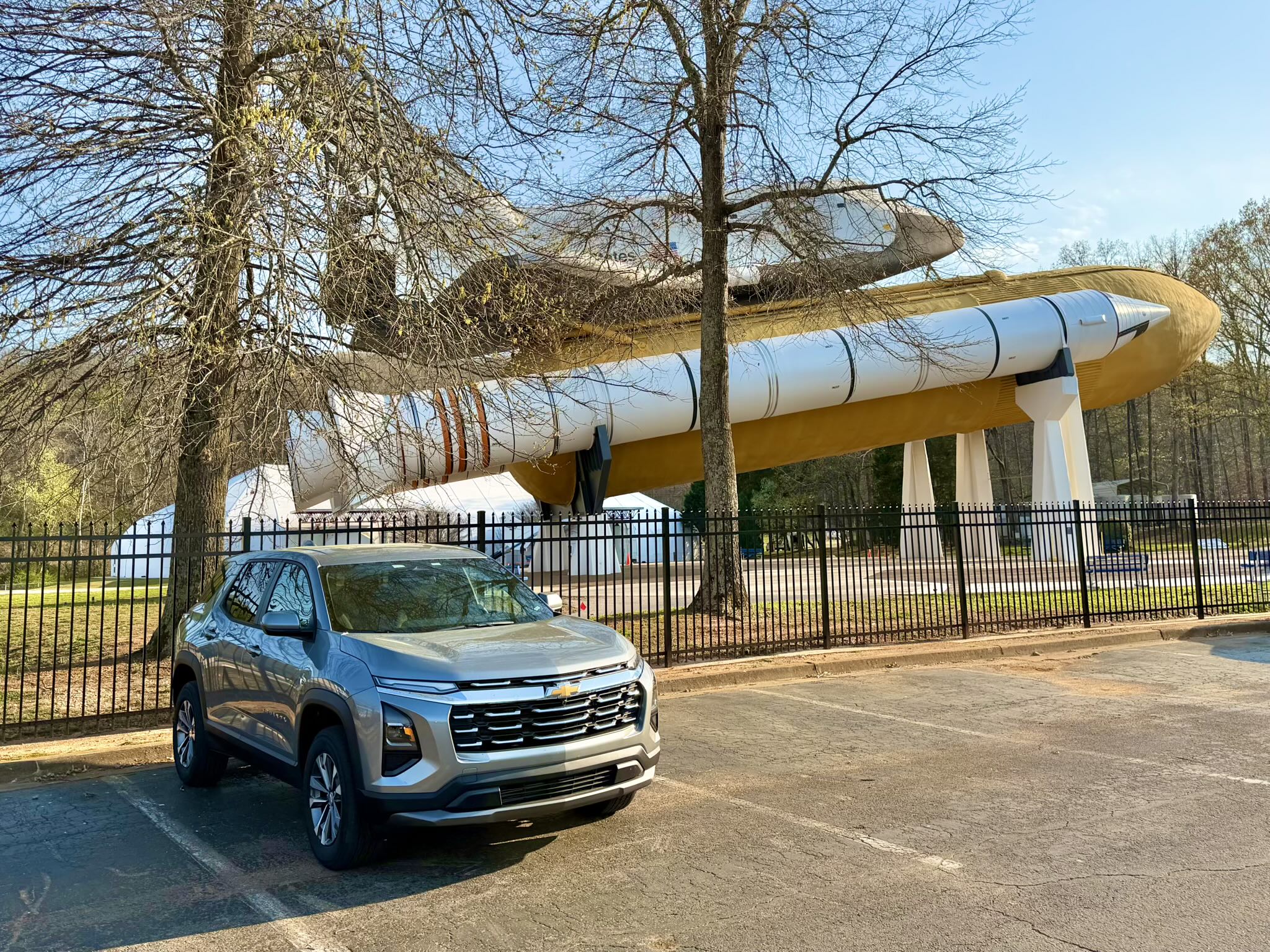
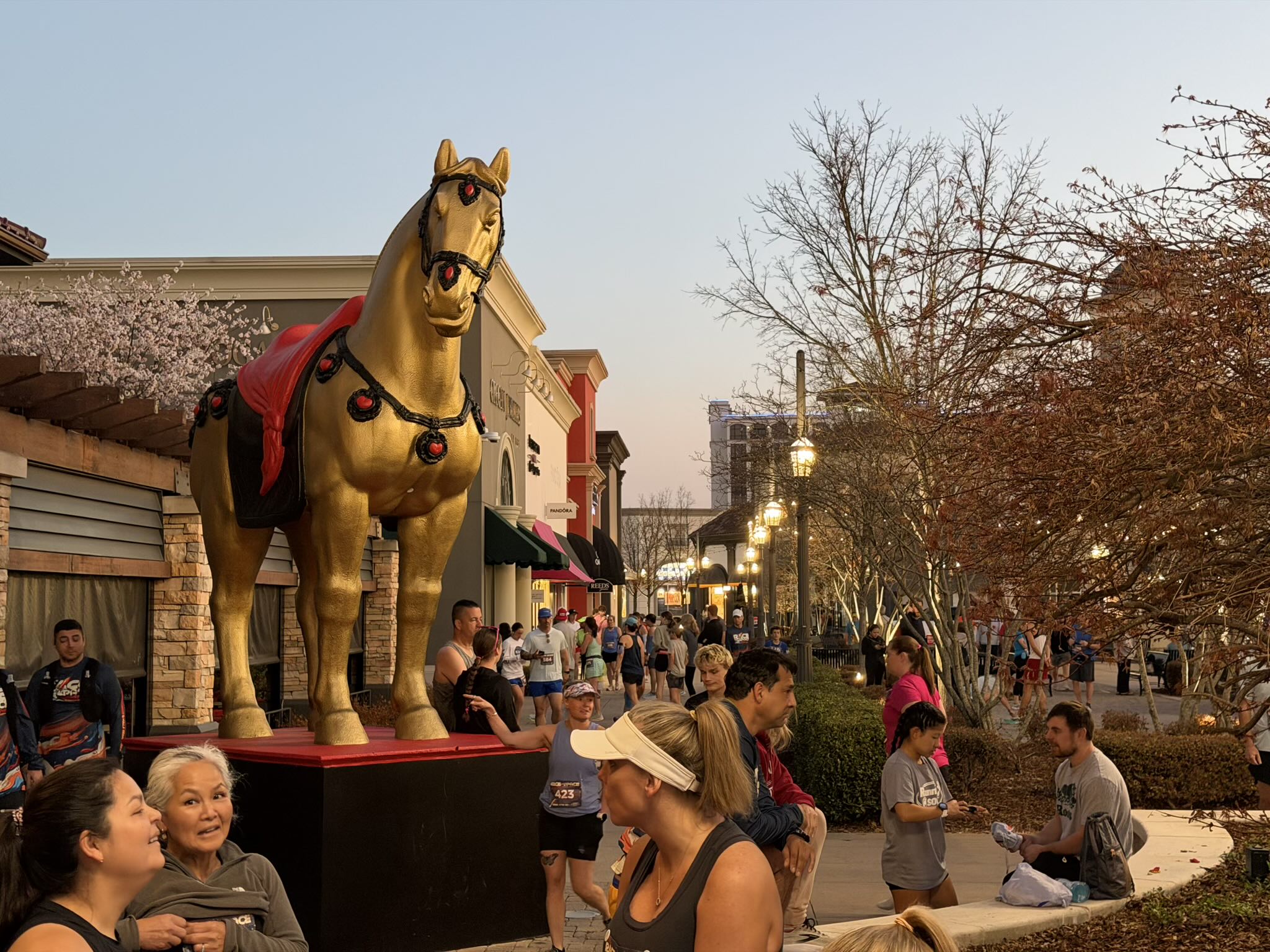
The tech industry that grew around Redstone Arsenal and NASA didn’t stop with the space program. Cummings Research Park—where the Race to Space Marathon and Half Marathon are held entirely within its roads—is the second largest research park in the United States and the fourth largest in the world, home to some 300 companies and more than 26,000 employees. Finding this in Huntsville, Alabama struck me as only slightly less remarkable than when I first learned that Garmin—a company with something of a cult following among athletes like myself—is based in a small town in Kansas. Some of the world’s best engineering, it turns out, happens quietly in places you weren’t looking.
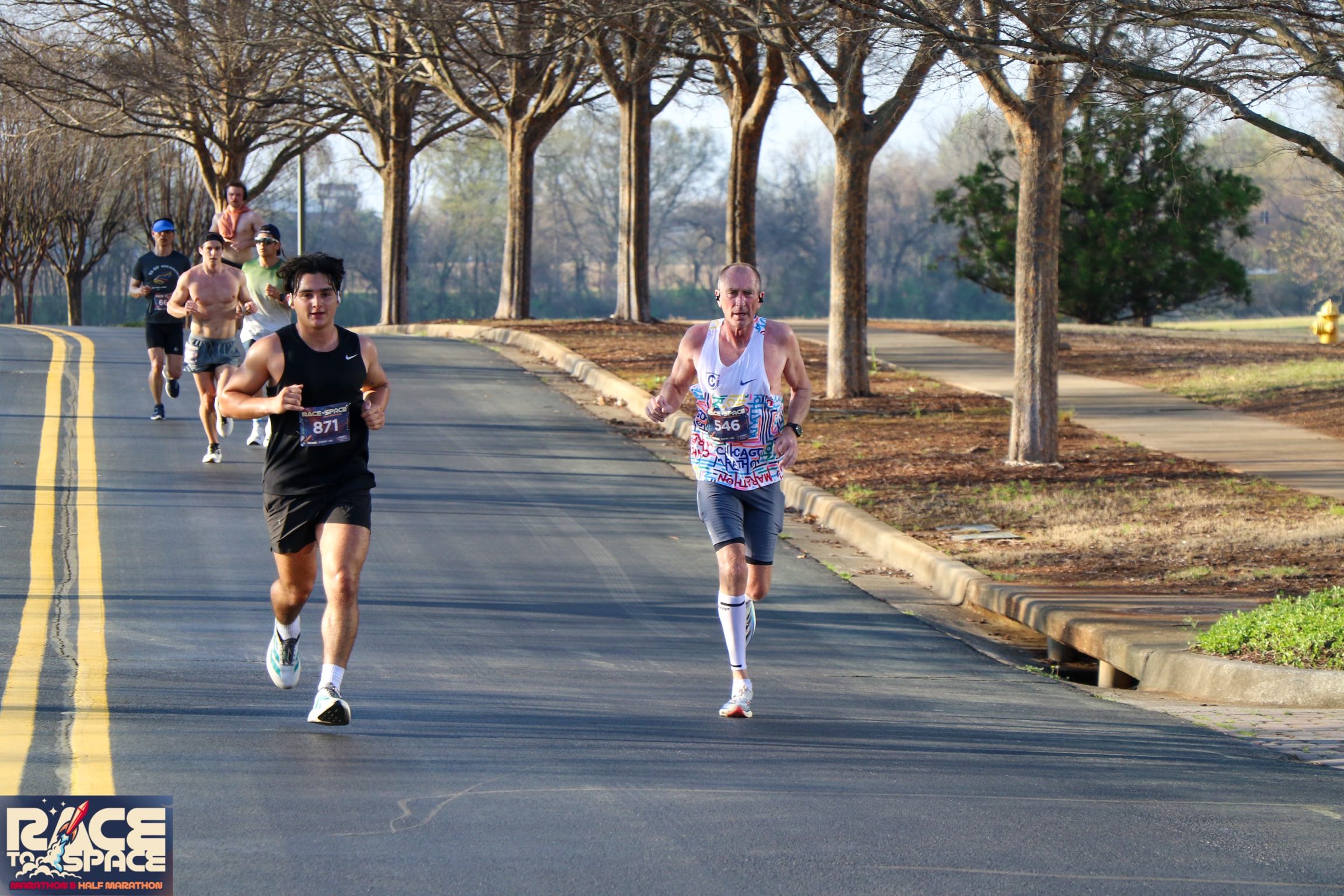
Because of the science, tech, and defense industry—and because it maintains ample housing supply—Huntsville has among the best pay-to-cost-of-living ratios in the U.S.
GigaParts
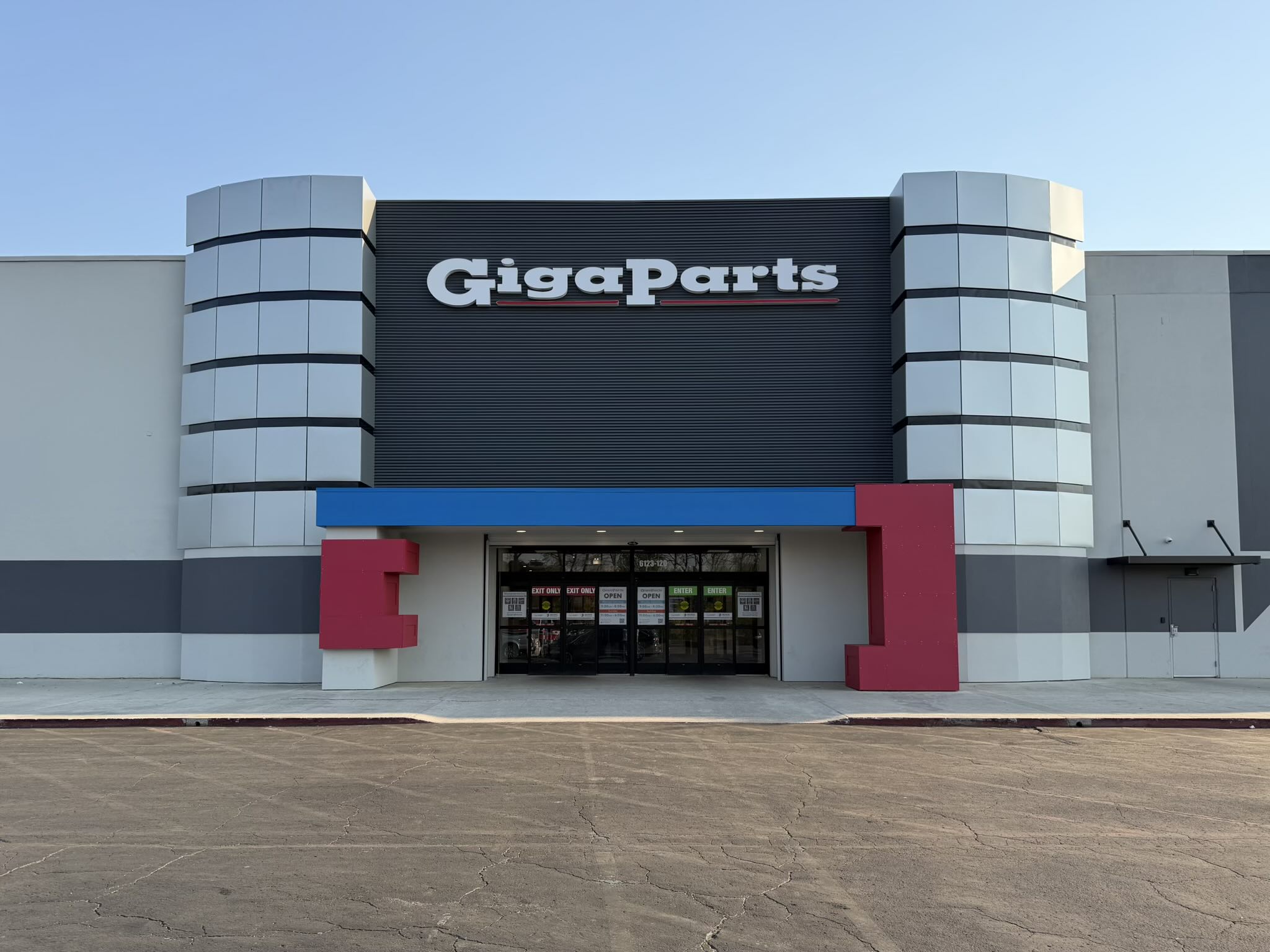
If the Space & Rocket Center is Huntsville’s centerpiece attraction, GigaParts might be its best-kept local secret—or at least, the secret that locals can’t stop telling visitors about. Described as a “maker’s paradise,” it is a superstore for 3D printing, amateur radio gear, custom PC components, and photography equipment, with hands-on demo areas scattered throughout. The word “nerd” doesn’t quite capture it. GigaParts is to the technically obsessed what a well-stocked hardware store is to a contractor: a place where the right person can spend two hours and not notice.
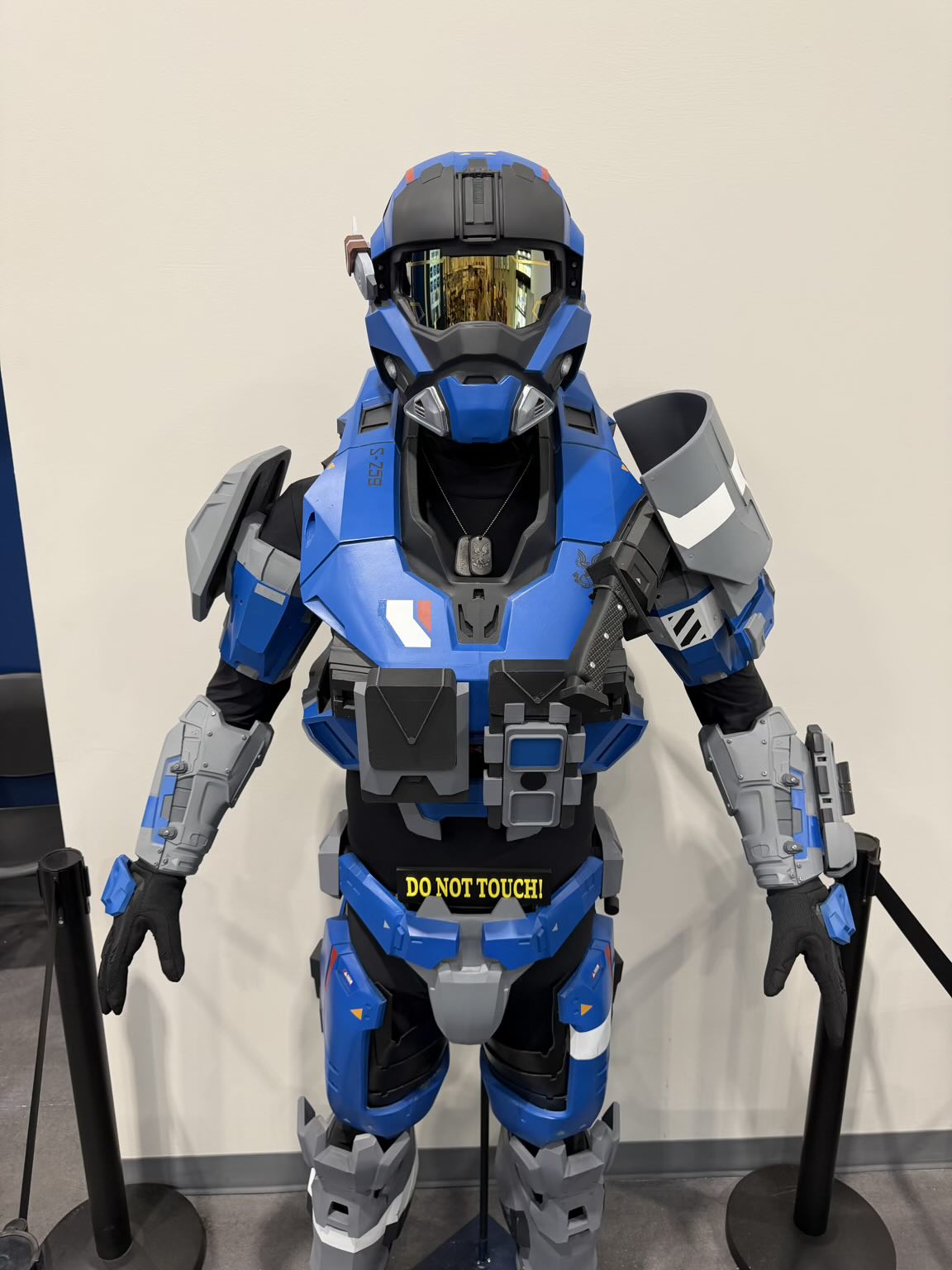
The most arresting thing in the store when I visited had nothing to do with radio equipment. On display was a full suit of Commander Carter-A259 armor from Halo, created by a local named James Farr from Athens, Alabama. He had printed it on two Bambu printers over 409.5 hours, using 30.25 pounds—or 2.73 miles—of filament. It looked exhibition-quality. It also looked like something that would require a dedicated room in your house, which I suppose is a small price to pay for becoming a Spartan supersoldier.
Alabama’s Biggest City
Here is something I did not know before coming to Huntsville: it is the largest city in Alabama. I had always assumed that distinction belonged to Montgomery, the state capital. The metro area of Montgomery is larger than Huntsville’s, but in terms of people actually living within city limits, Huntsville—with around 230,000 residents—comes out ahead. That puts it roughly between Fort Collins, Colorado and Stockton, California in size, which is to say: a real city, not a town that happens to have an airport.
It is also growing at an extraordinary pace, adding more than 34,000 residents over the past five years, or about 18 new people per day. The influx has been driven in part by defense contractors, aerospace companies, and the anticipated relocation of U.S. Space Command headquarters to the area. The city feels like it—new developments are visible everywhere, and downtown has the energy of a place that knows it is on the way up.
On that front: the crime picture in Huntsville is more complicated than I would have guessed based on how safe I felt there. Huntsville’s crime rates remain above the national average, which is perhaps unsurprising for a mid-sized American city experiencing rapid growth. What is encouraging is the direction of travel: from 2019 to 2024, the city’s violent crime rate dropped by 39%, and the Huntsville Police Department credits a combination of community policing and technology-driven investigation strategies. Walking around downtown, I felt comfortable and at ease—a subjective measure, but not an irrelevant one.
Downtown and Big Spring Park
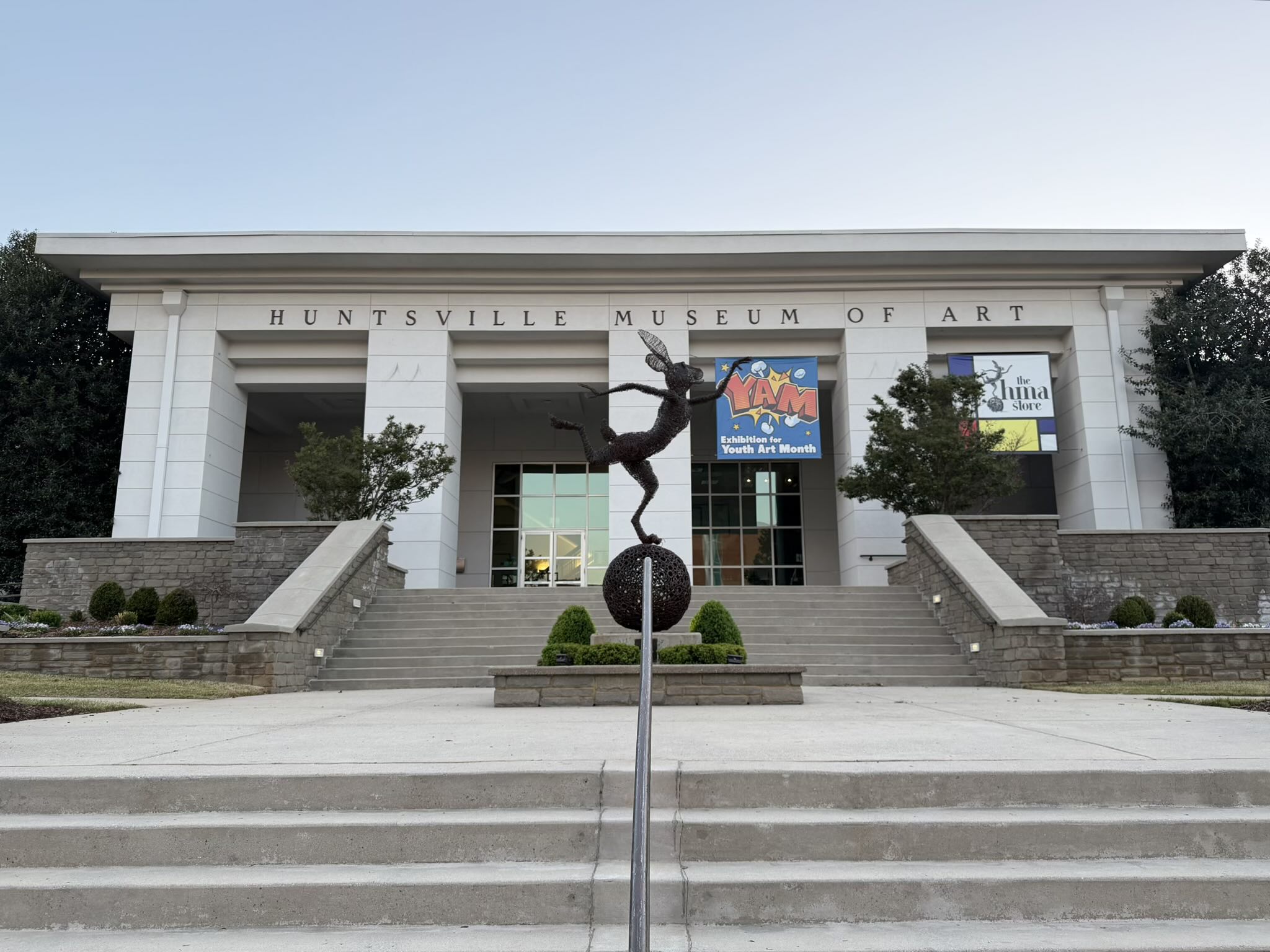
Downtown Huntsville is eminently walkable—with restaurants, coffee shops, the Huntsville Museum of Art, and the Von Braun Center all within easy reach of one another. On the evening I wandered through, Big Spring Park was full of people. Families, joggers, people sitting by the water.
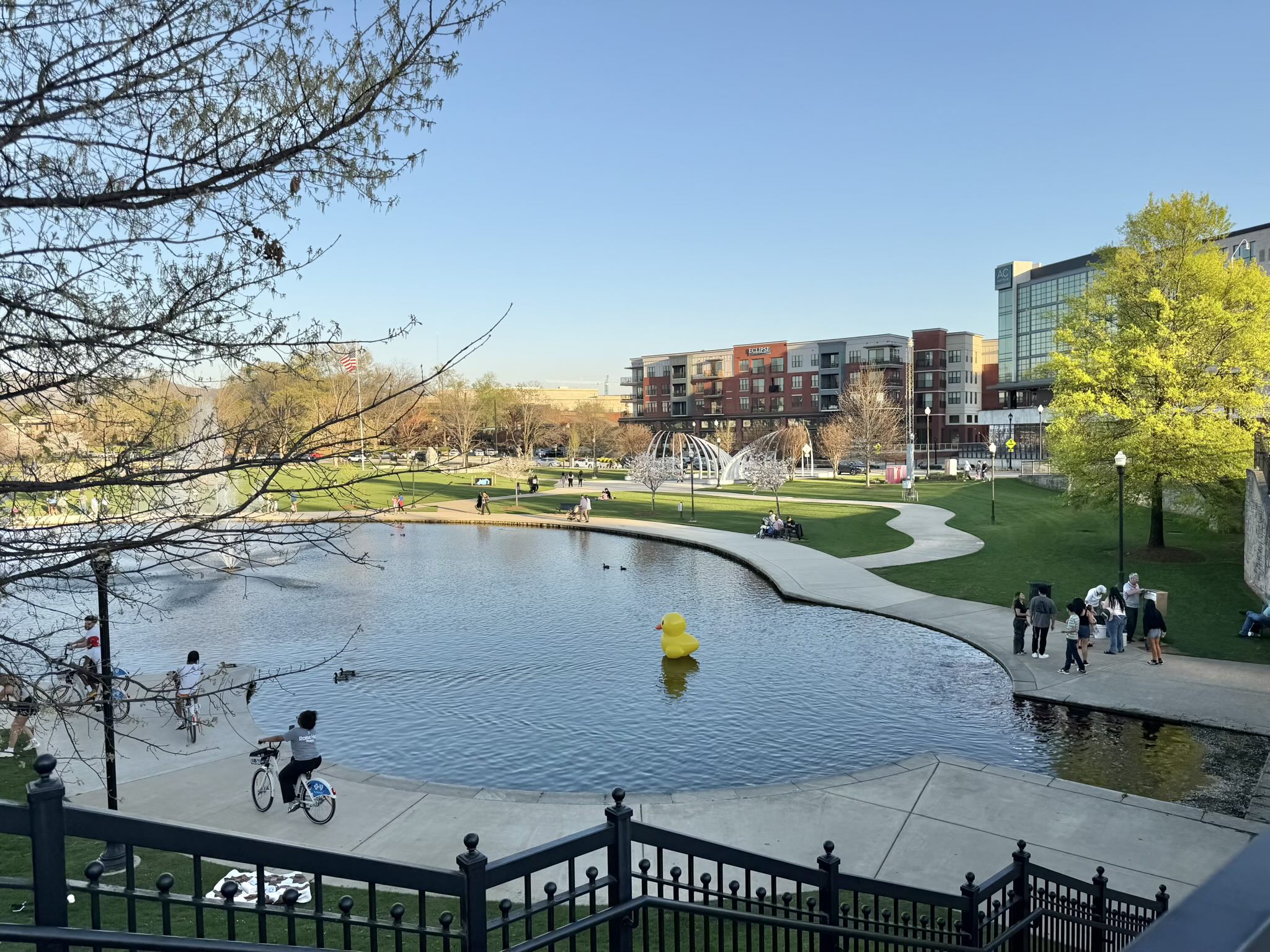
In another corner of downtown, people had set up drums and were performing for anyone who wandered past. It was the kind of scene that tends to appear in city promotional videos but sometimes actually exists in real life. Huntsville was one of those cases. The place felt peaceful, clean, and—for lack of a less-loaded word—happy.
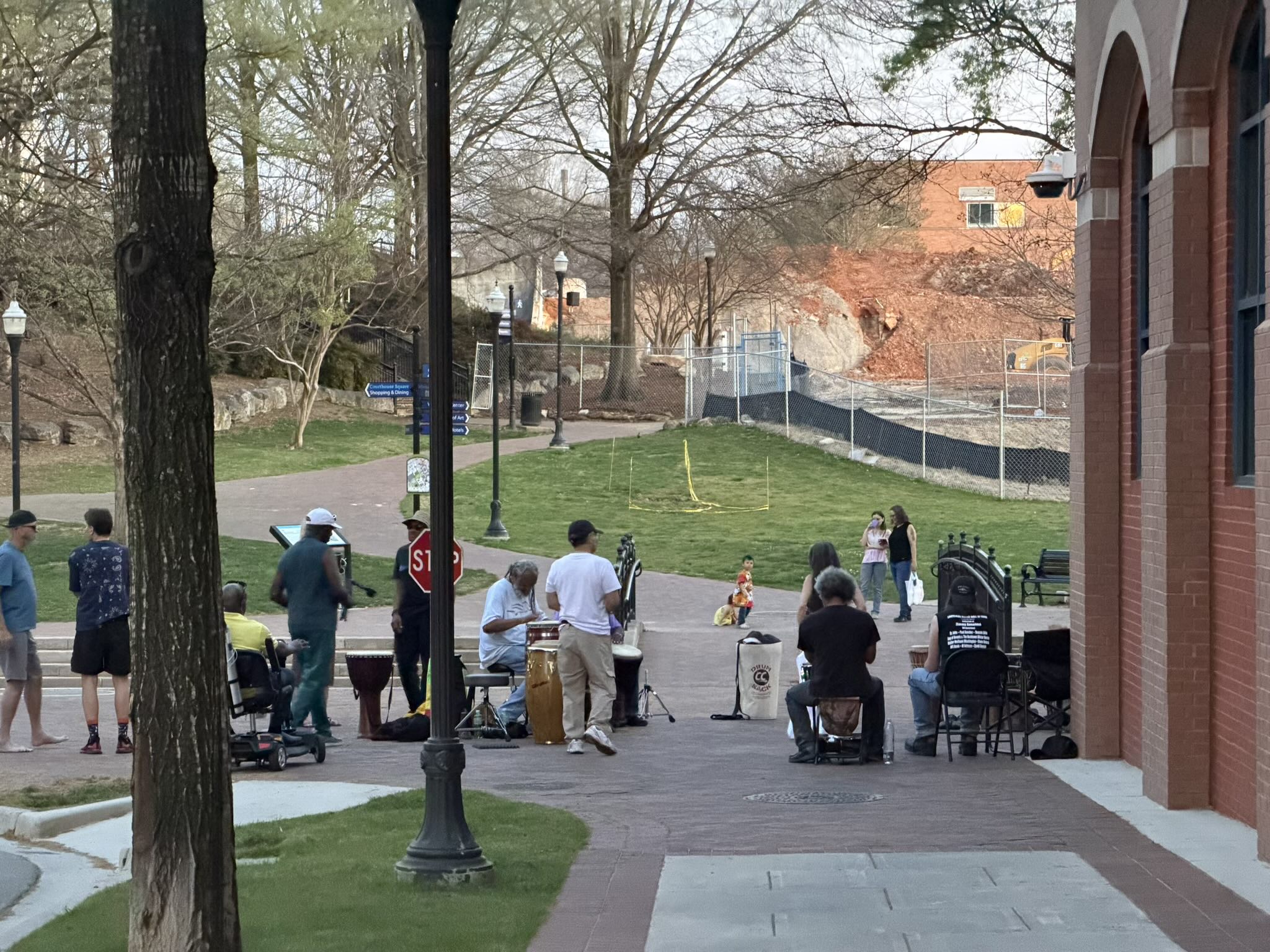
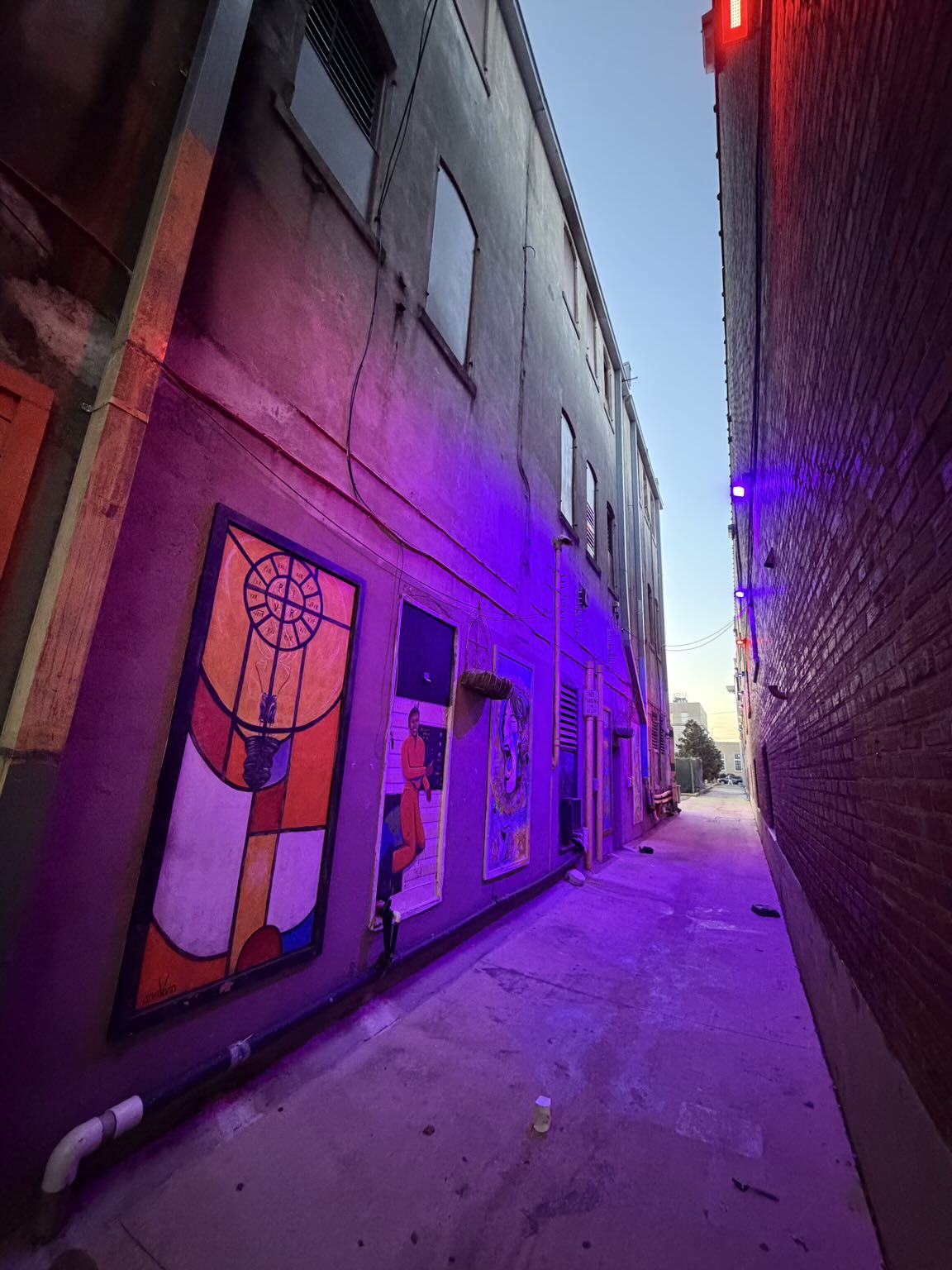
The Clinton Row Walk is a charming stretch of specialty shops and restaurants nearby, lively without being hectic. It reminded me that the most enjoyable downtowns in America are often the ones that didn’t try too hard, or didn’t need to.
Monte Sano State Park
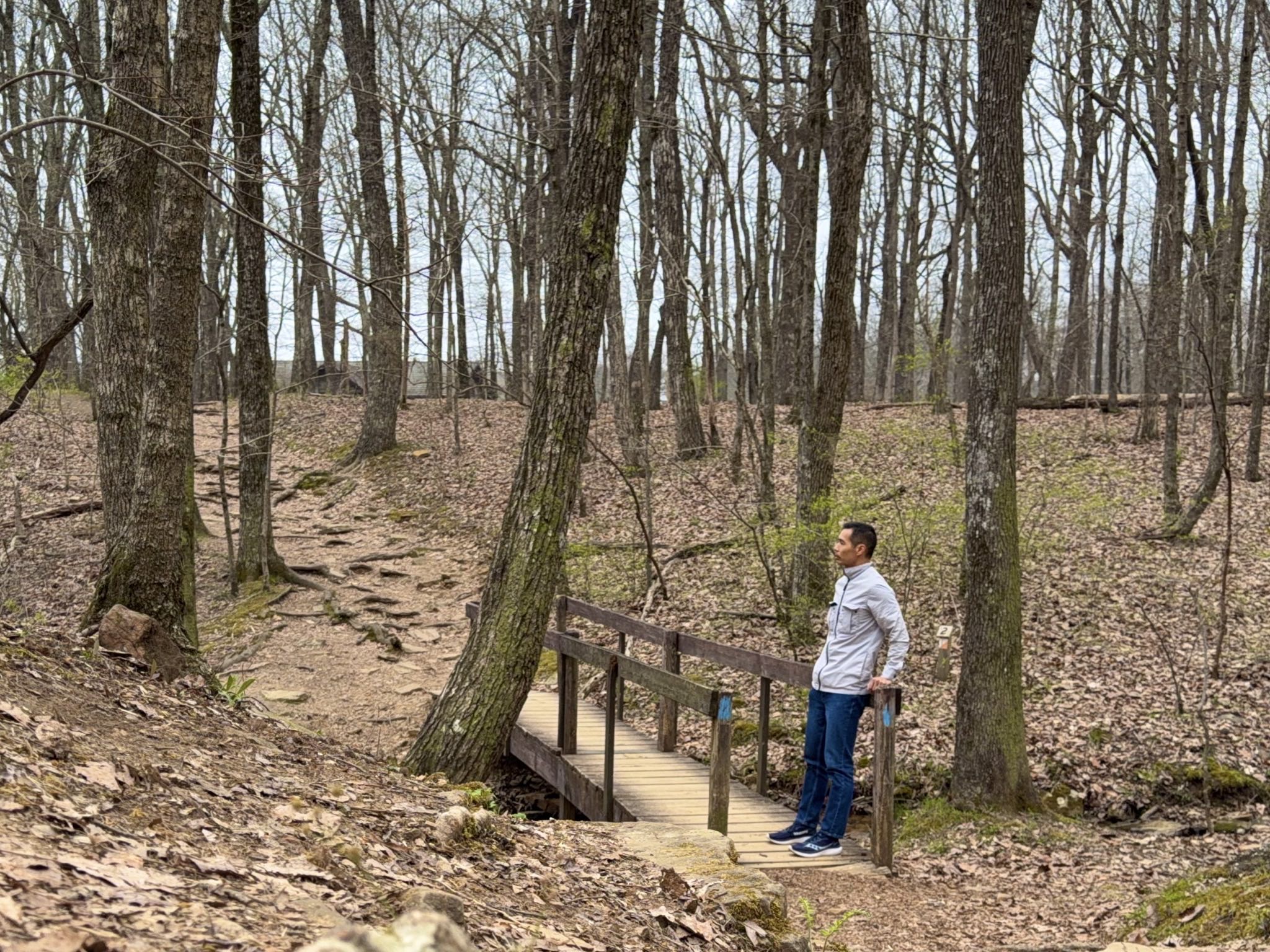
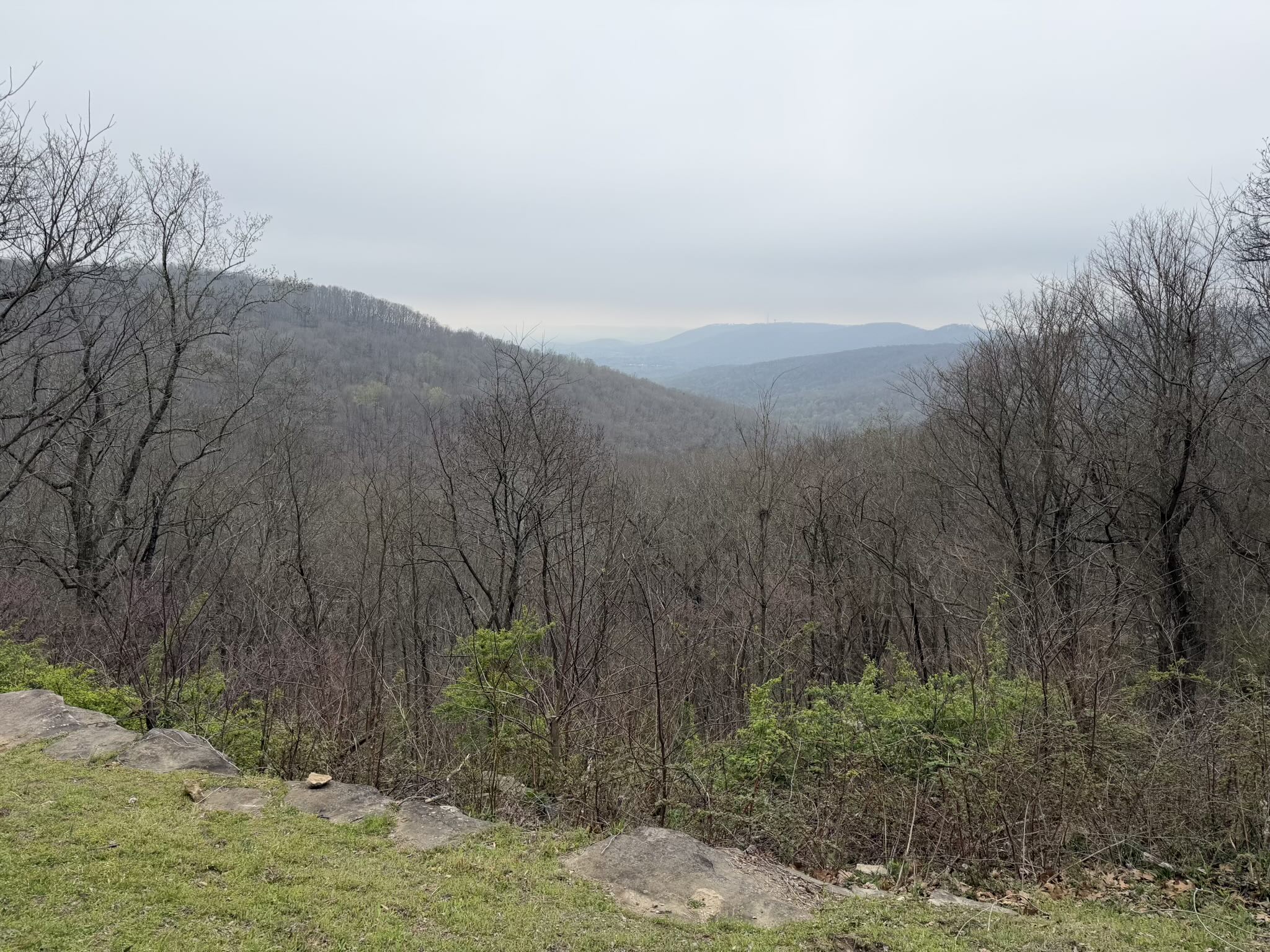
The morning after the marathon, I drove up to Monte Sano State Park for a recovery hike—a reminder that the gluteus maximus can always be sore in new and creative ways. The park sits on a mountain ridge east of the city and offers panoramic views of Huntsville that would be the highlight of many a tourist brochure. The air was cooler than expected, which prompted the thought that it would have been far more useful the previous morning, during the race itself.
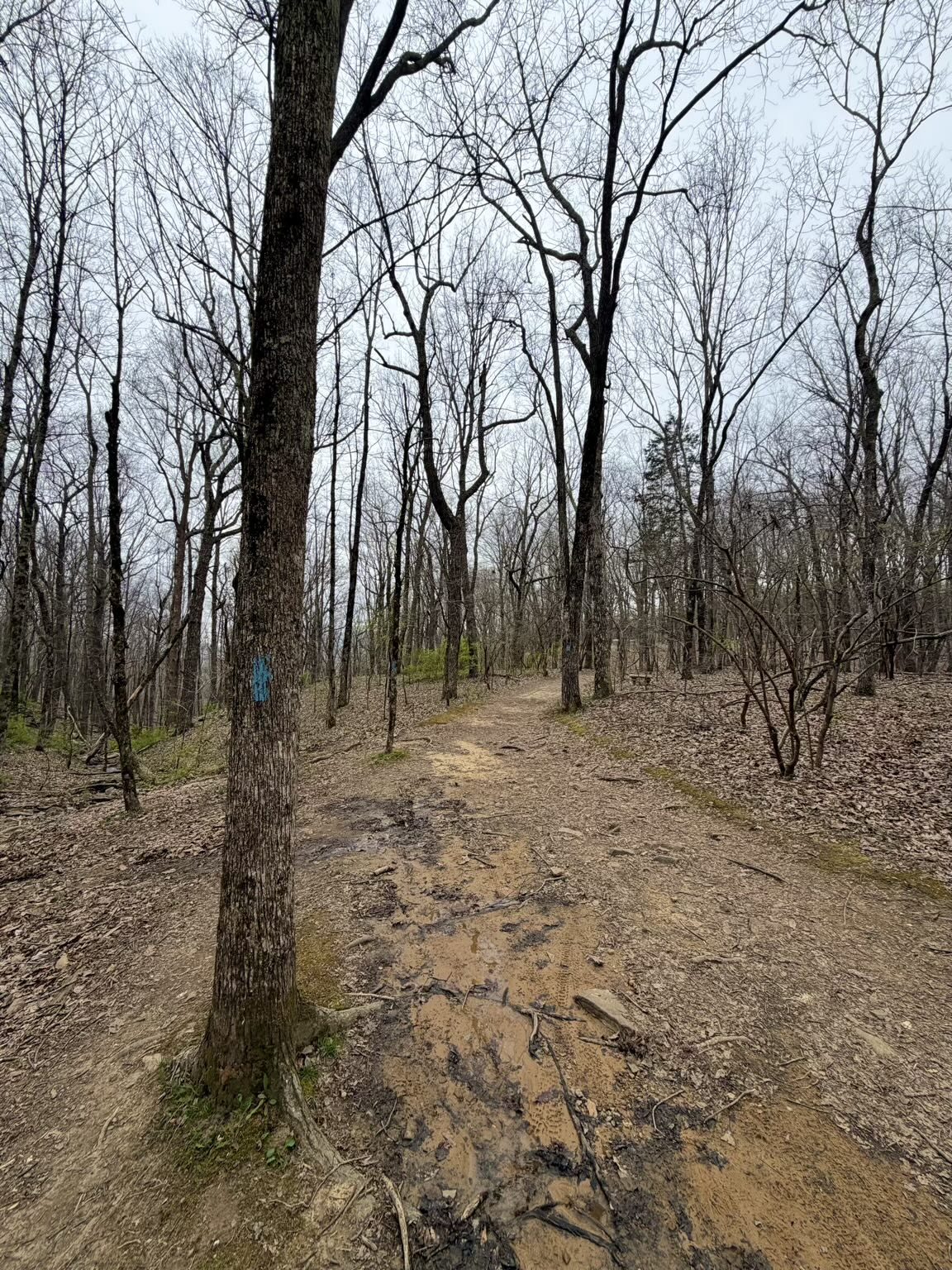
At first the trails were empty, which after a marathon felt appropriate—like the park was acknowledging that you had earned some solitude. Eventually trail runners and hikers appeared, confirming that this city, even on a weekday morning, does not lack for people willing to be outside.
I had wanted to also visit Burritt on the Mountain—a historic mansion with nature trails and sweeping views—but it was closed on Monday morning when I arrived. The Huntsville Speedway on Friday evening had also slipped past me. A city that can generate a list of regrets is a city worth returning to.
I came to Alabama carrying a set of assumptions assembled from history lessons and a British car show. Huntsville dismantled most of them within 48 hours. It is a city that has quietly become one of the most technically sophisticated, rapidly growing, and livable places in the South—and the rest of the country has mostly not gotten the memo yet. Consider this a tip.
Postscript
Ten days after I visited the U.S. Space & Rocket Center, NASA launched four astronauts on its Artemis II mission—the world’s first crewed lunar mission in more than half a century.
The mission would take nine days and include a flyby of the back side of the moon. Seeing the Saturn V up close made me appreciate the NASA’s Space Launch System (SLS) that sent the astronauts into orbit even more, as the SLS recycles some old NASA parts and is even more powerful.
Incidentally, the day that the mission commenced also marked exactly 50 years since Steve Jobs, Steve Wozniak, and Ronald Wayne founded Apple Computer Co. in 1976.
Never mind the day was April 1st. Neither event was an April Fool’s joke!
There are 2 comments.
Felix, I used to travel to Huntsville routinely in the 1990's and really loved it. At that time, it had a couple of notable German restaurants. And on Memorial Day, Huntsville for more than 40 years has had a popular road race, the Cotton Row 10k. The only drawback is the frequency of violent tornadoes in Huntsville. (You can google "Is Huntsville in tornado alley?") It has been walloped by storms over the years. I much enjoyed your story and photos on Huntsville. Mike
Mike, thanks for the kind words and for reading!
I had no idea Huntsville sees that level of tornado activity. Apparently, it sits in the heart of Dixie Alley, and the peak of storm season there is right about now! Guess I was lucky not to encounter any.
I love that you mentioned the Cotton Row 10k and the German restaurants. The latter makes sense considering that many German scientists had lived there.