Vehicles in Hong Kong: Supercars, Motorcycles, and Plenty of Forbidden Fruit

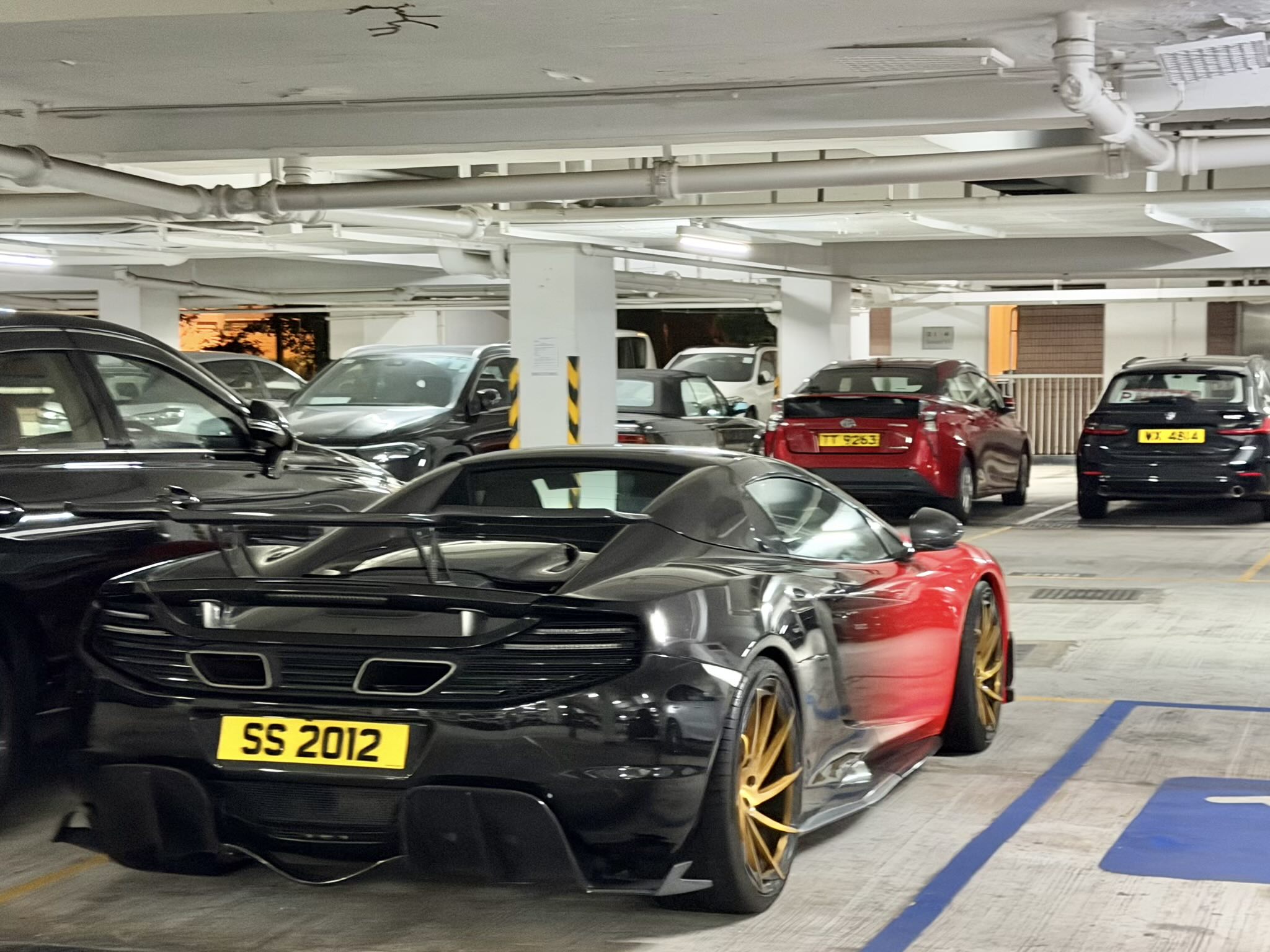
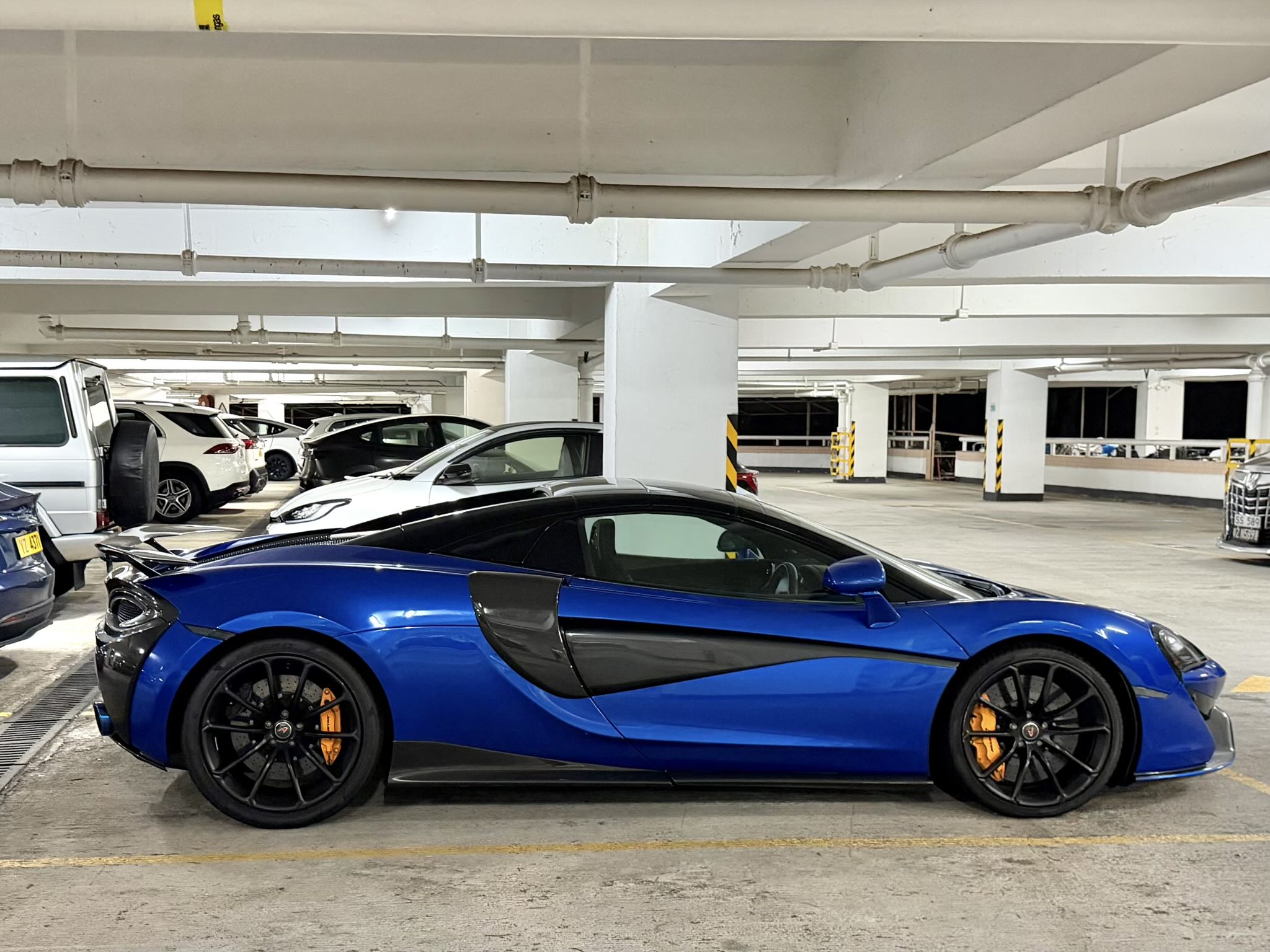
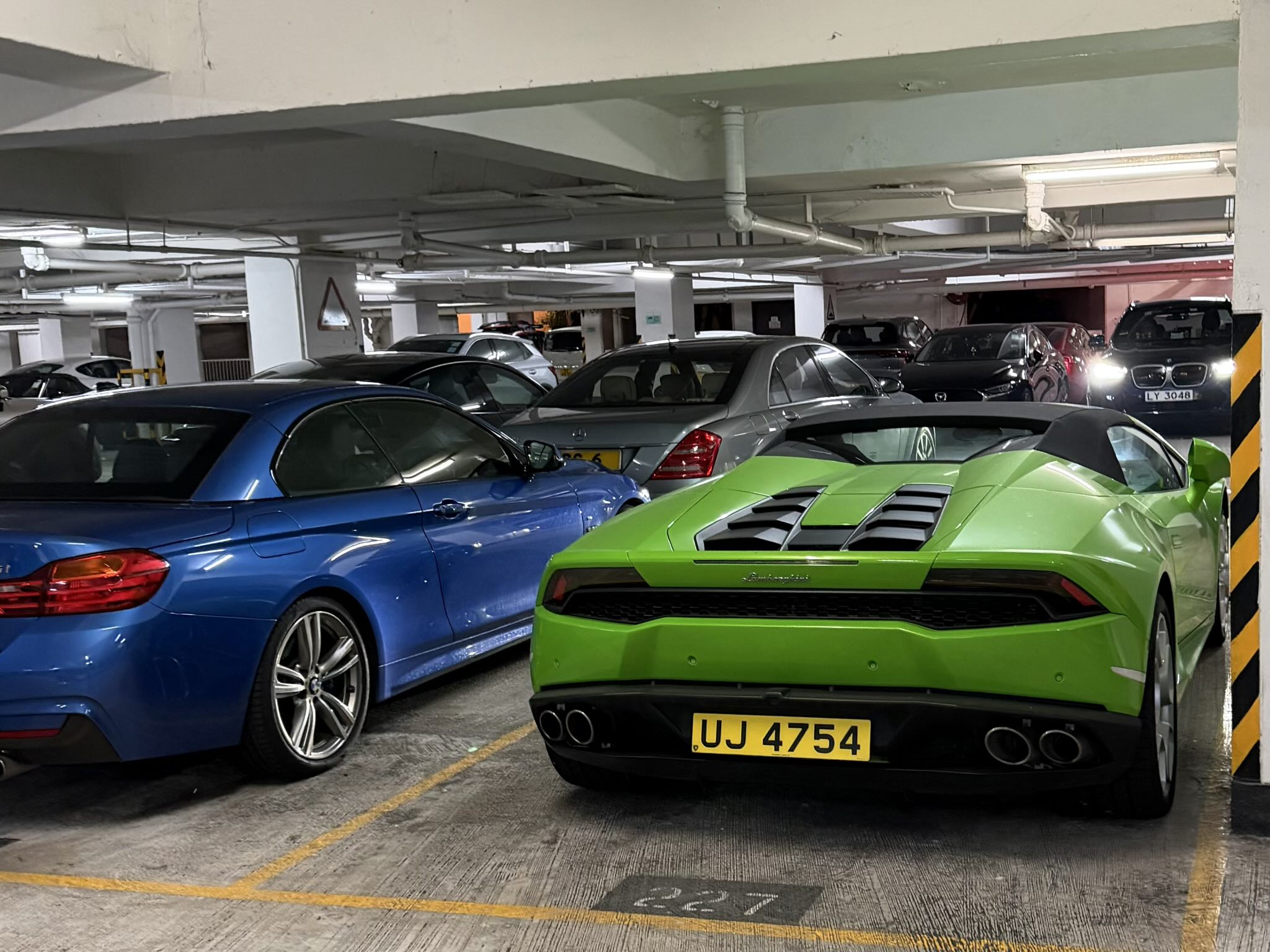
Hong Kong is famous for its skyline, its dim sum, and its public transit—one of the world’s best. This is precisely why seeing a slime green Lamborghini Huracán, black/red vinyl-wrapped McLaren 12C Spider, and deep blue McLaren 600LT Spider tucked into the residential parking garage of my aunt’s and cousin’s apartments felt like stumbling into a showroom that forgot to install a lobby. When you live in an apartment tower, that underground garage is your driveway.
The Chinese Cars
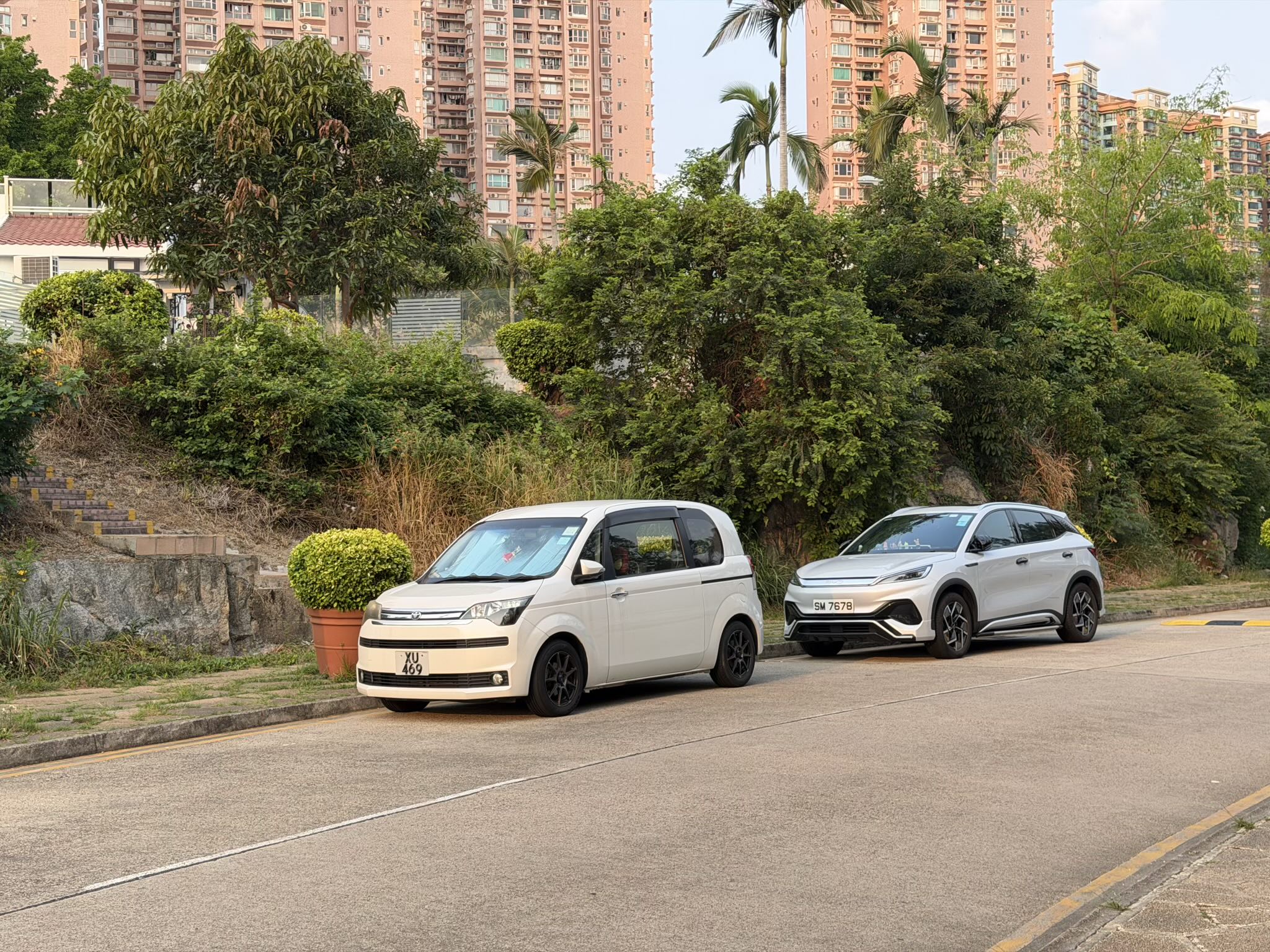
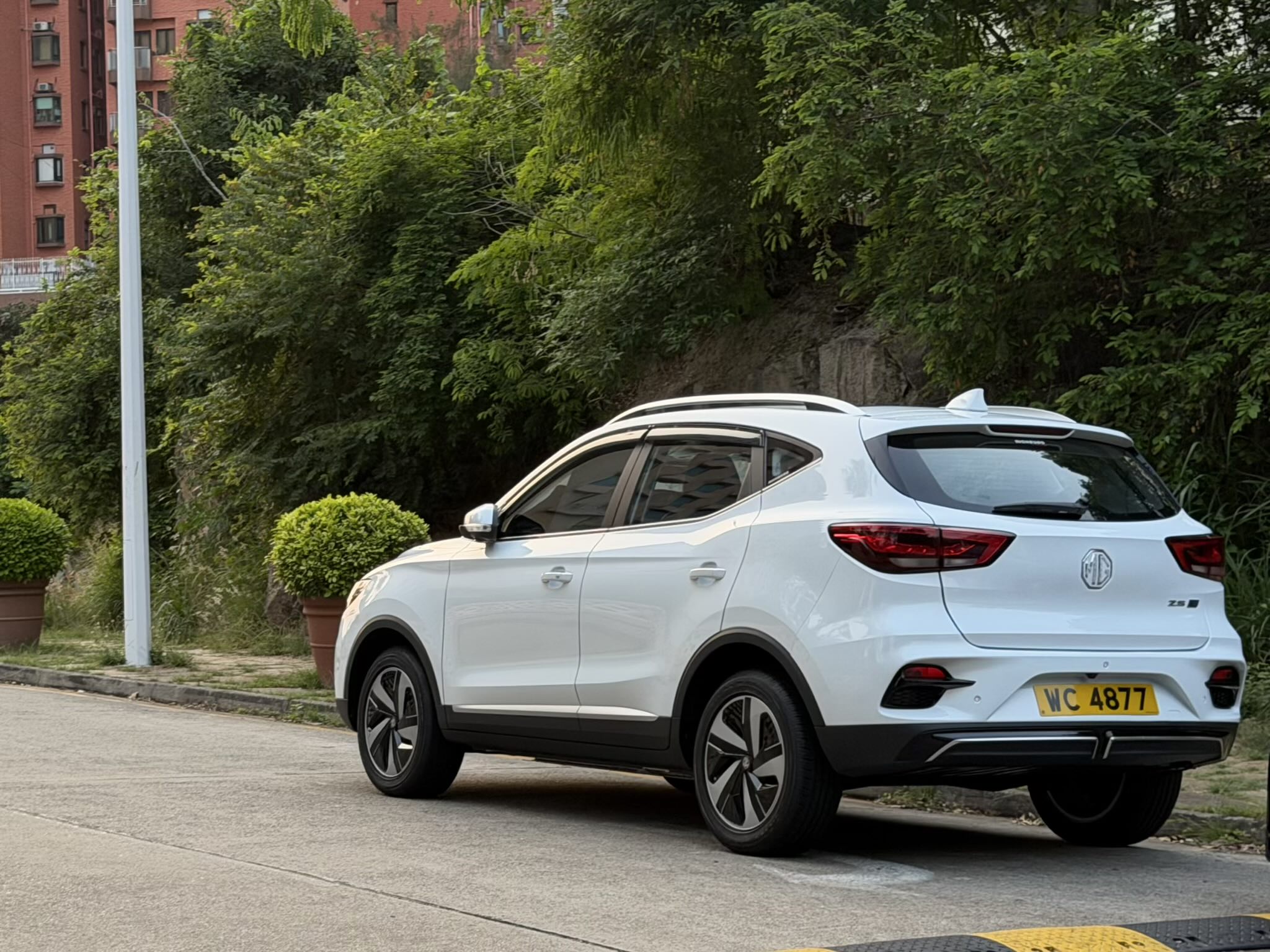
The streets of Hong Kong have become a rolling advertisement for what China’s automotive industry has become. BYD, MG, and SAIC’s Maxus vans are everywhere, but the brands that made me do a double-take were the newer ones.
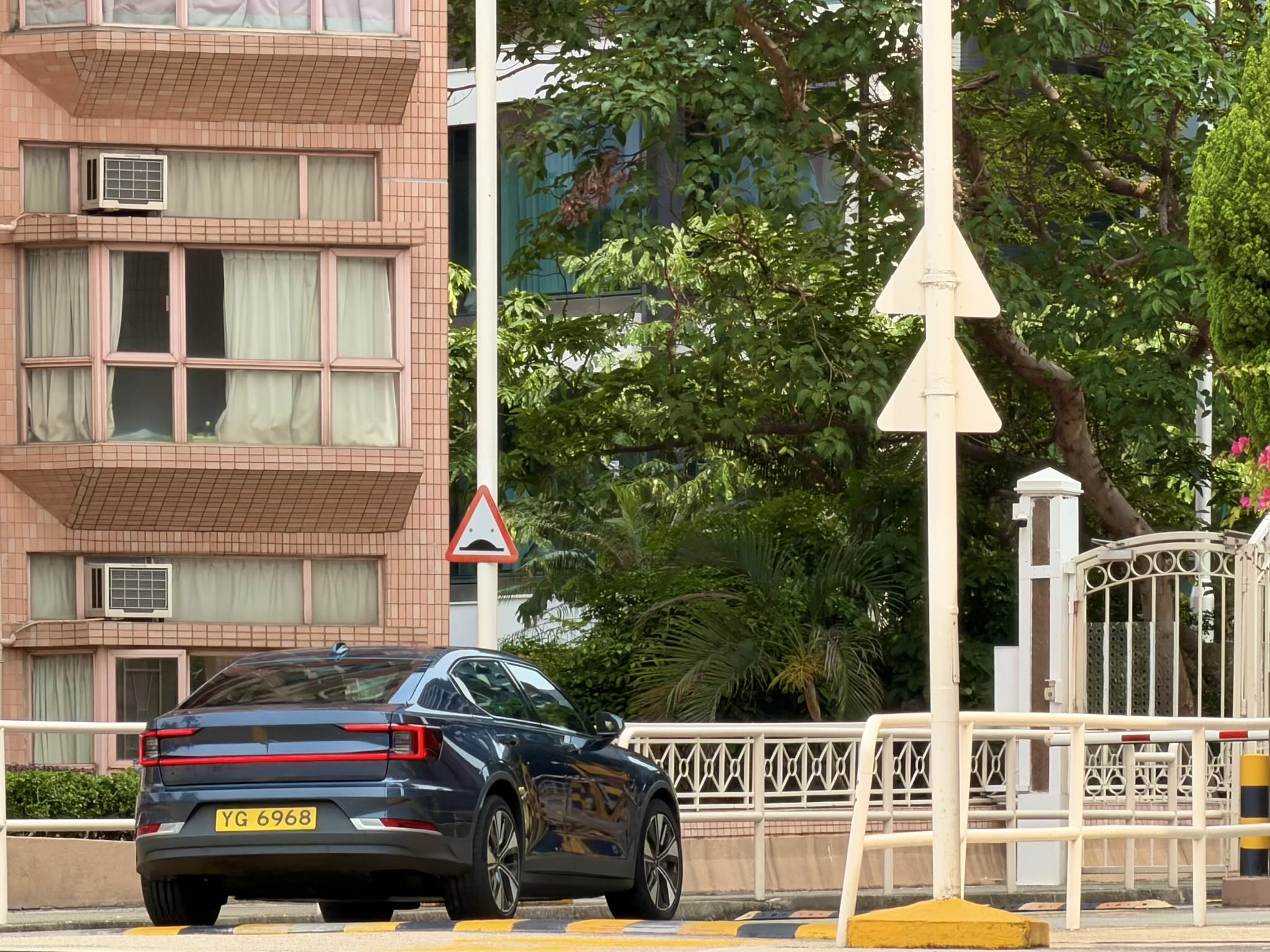
Omoda—a design-forward subsidiary of Chery that launched only in 2022—was already turning up on Hong Kong streets, which says something about how quickly Chinese brands are moving. Geely’s Zeekr had a presence too, as did Polestar, which is Swedish in name and Chinese in ownership.
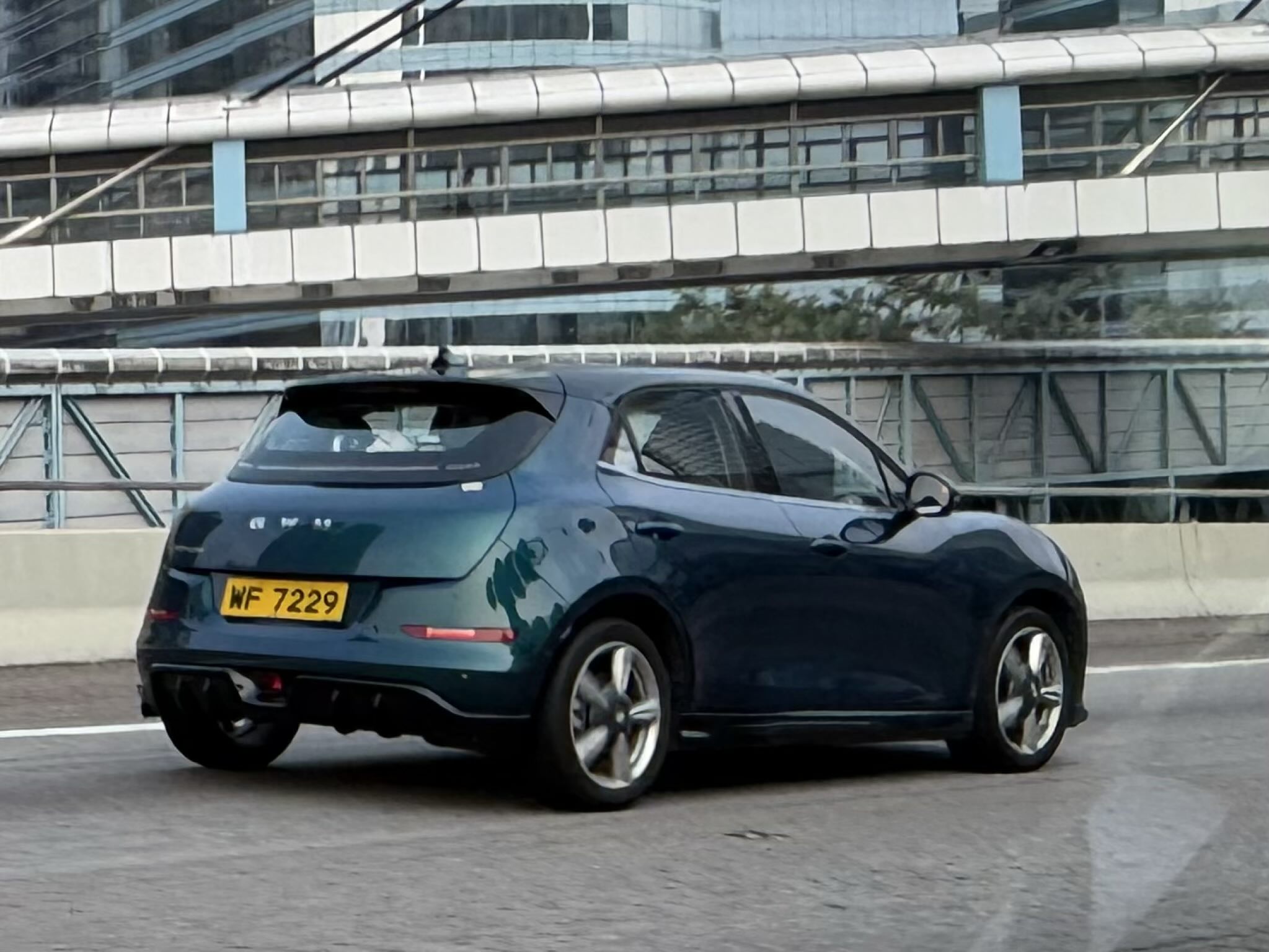
One that has perhaps the Best Name Ever was the all-electric GWM Ora Funky Cat, made by Great Wall Motors. Its retro-futuristic shape is genuinely distinctive in a segment full of cars that look like they were styled by the same algorithm. The touch that makes it: an integrated rear light bar hidden inside the rear window, invisible until it glows. I had never seen one in person before. USA nor Spain is not yet GWM territory, and probably won’t be until (wild guess) the 2030s.
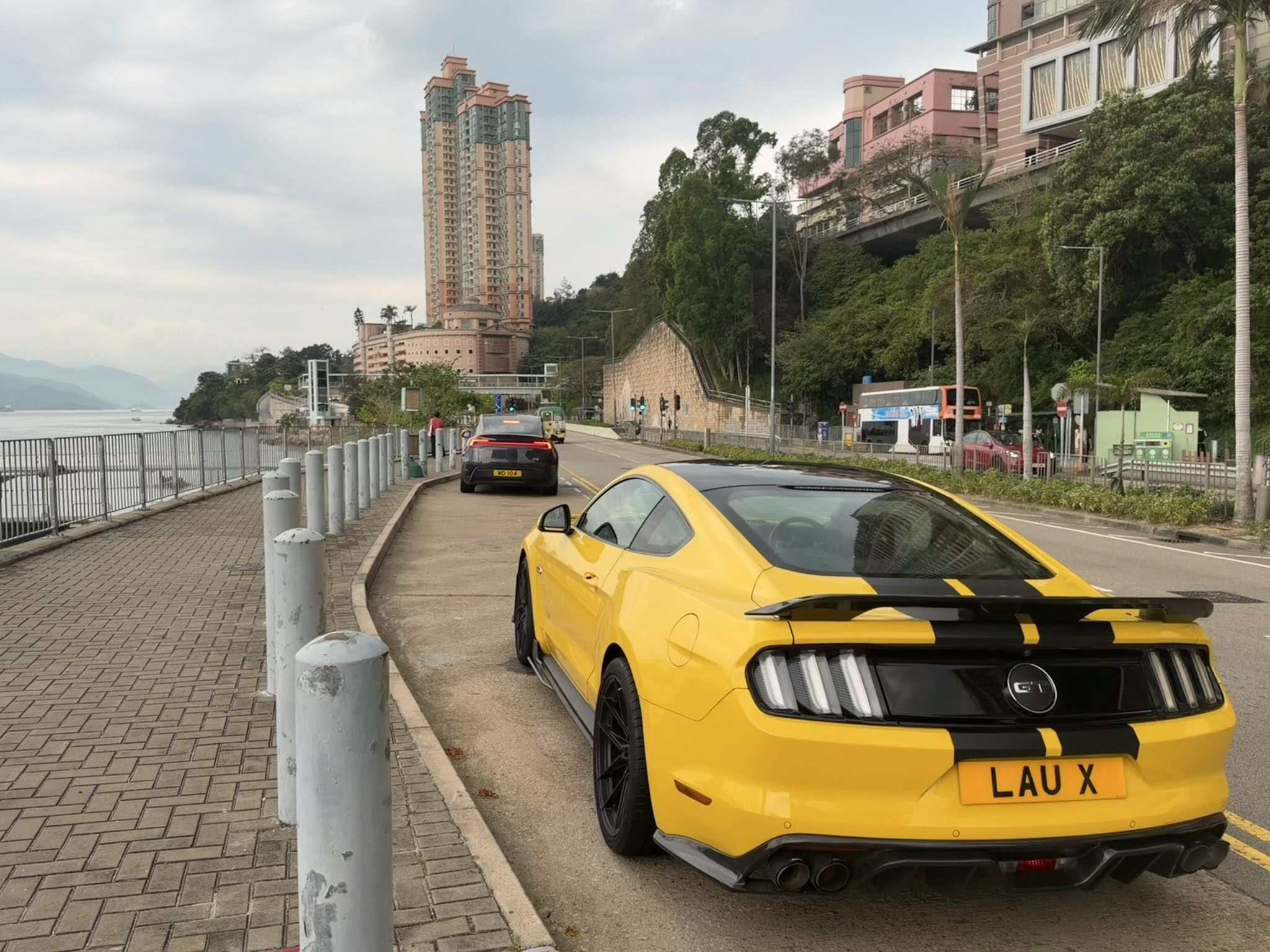
Speaking of American cars, much like in Singapore, I only saw one: a Ford Mustang. Coincidentally, just like the one in Singapore, this Mustang was bumblebee yellow with black racing stripes. And no, they weren’t the same vehicle—this one in Hong Kong had a black rear spoiler.
The Taxi Fleet, Past and Present
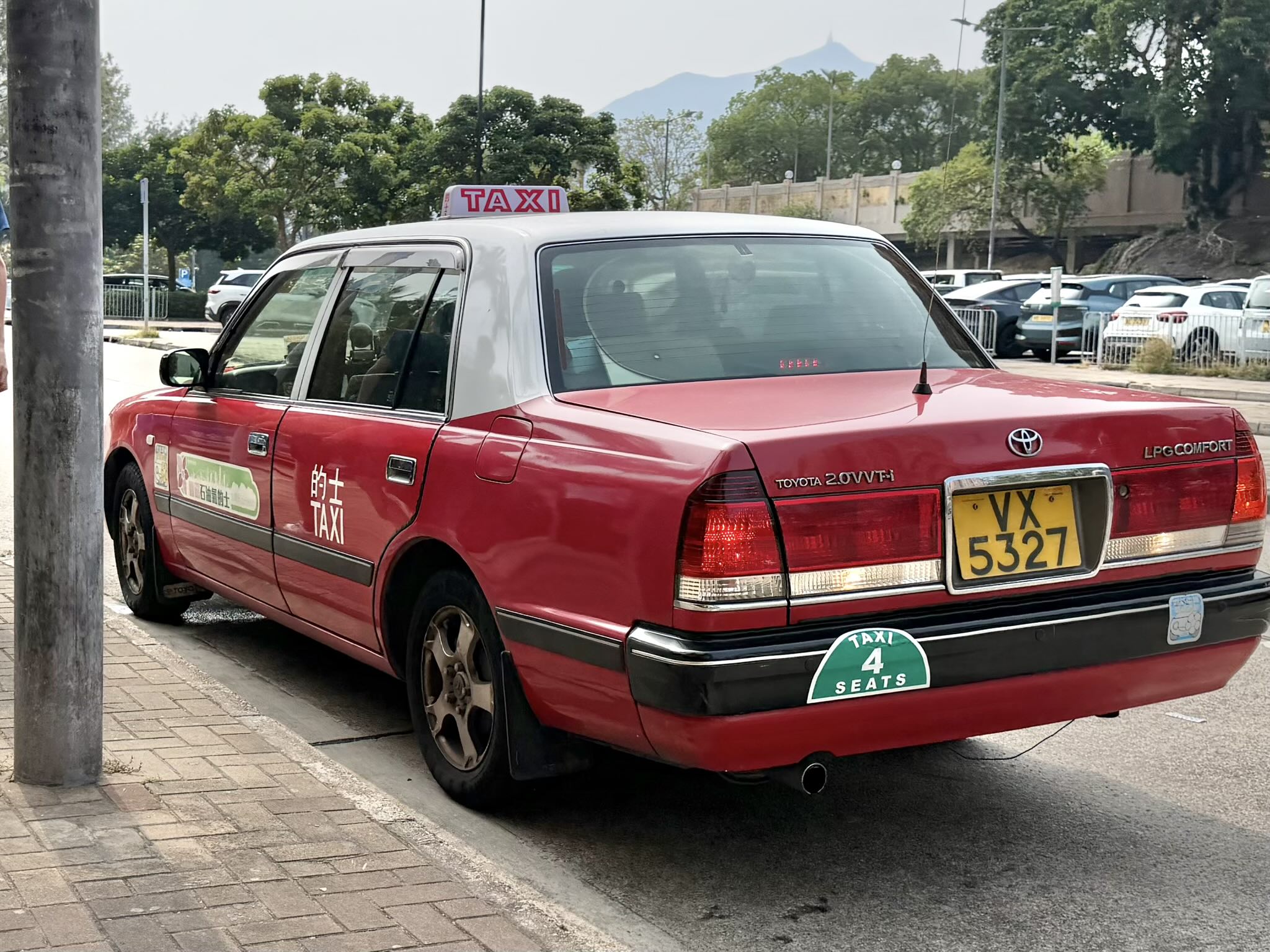
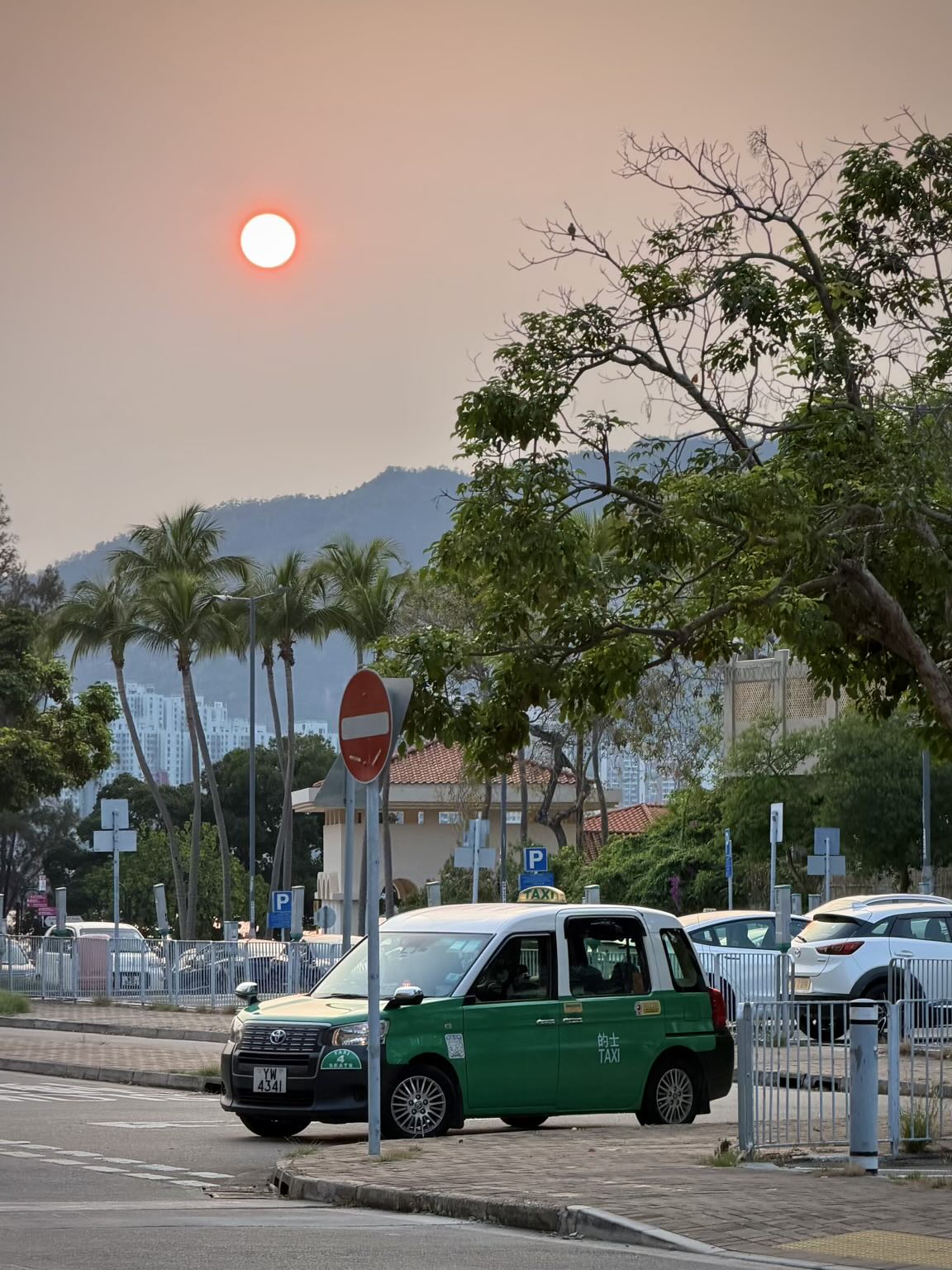
Since the cars in Hong Kong tend to be new, one thing that sticked out are thei taxis that look positively ancient compared to all the modern electric vehicles on the road.
For decades, the backbone of Hong Kong’s taxi fleet was the Toyota Comfort—a purpose-built sedan produced from 1995 to 2018 and powered in Hong Kong by a liquefied petroleum gas (LPG, a mixture of propane of butane) engine. It had the boxy, upright proportions of a 1980s Chrysler K-Car and Eagle Medallion and a silhouette that stayed essentially unchanged for 23 years. In the automotive world, that is the equivalent of geological time. This sedan still comprises the majority of HK’s taxis.
By the early 2020s, it was being phased out in favor of the Toyota JPN Taxi—sold in Hong Kong as the Comfort Hybrid—a more upright, van-like design with a sliding rear door and, still, an LPG hybrid drivetrain. Taxi drivers love LPG because it significantly lowers their daily operating costs through cheaper pump prices and a cleaner burn that extends engine life and reduces maintenance.
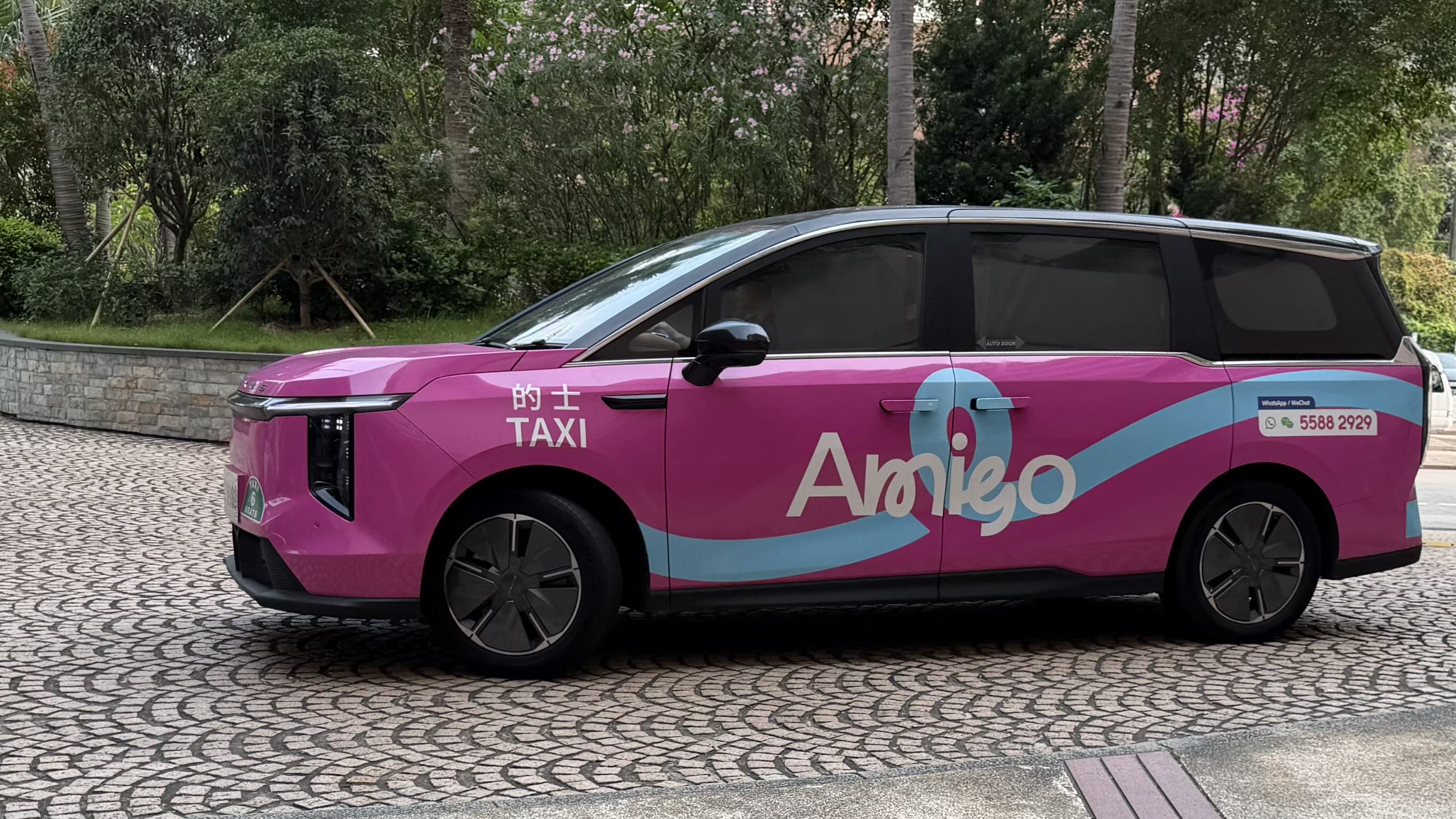
The taxi vans are worth a mention too. SAIC’s Maxus and the Honda Stepwgn and Toyota Noah ply the streets in pink and other unmistakable liveries, ferrying groups through the city’s narrow corridors with the confidence of vehicles that know exactly how wide they are.
The One That Got Me
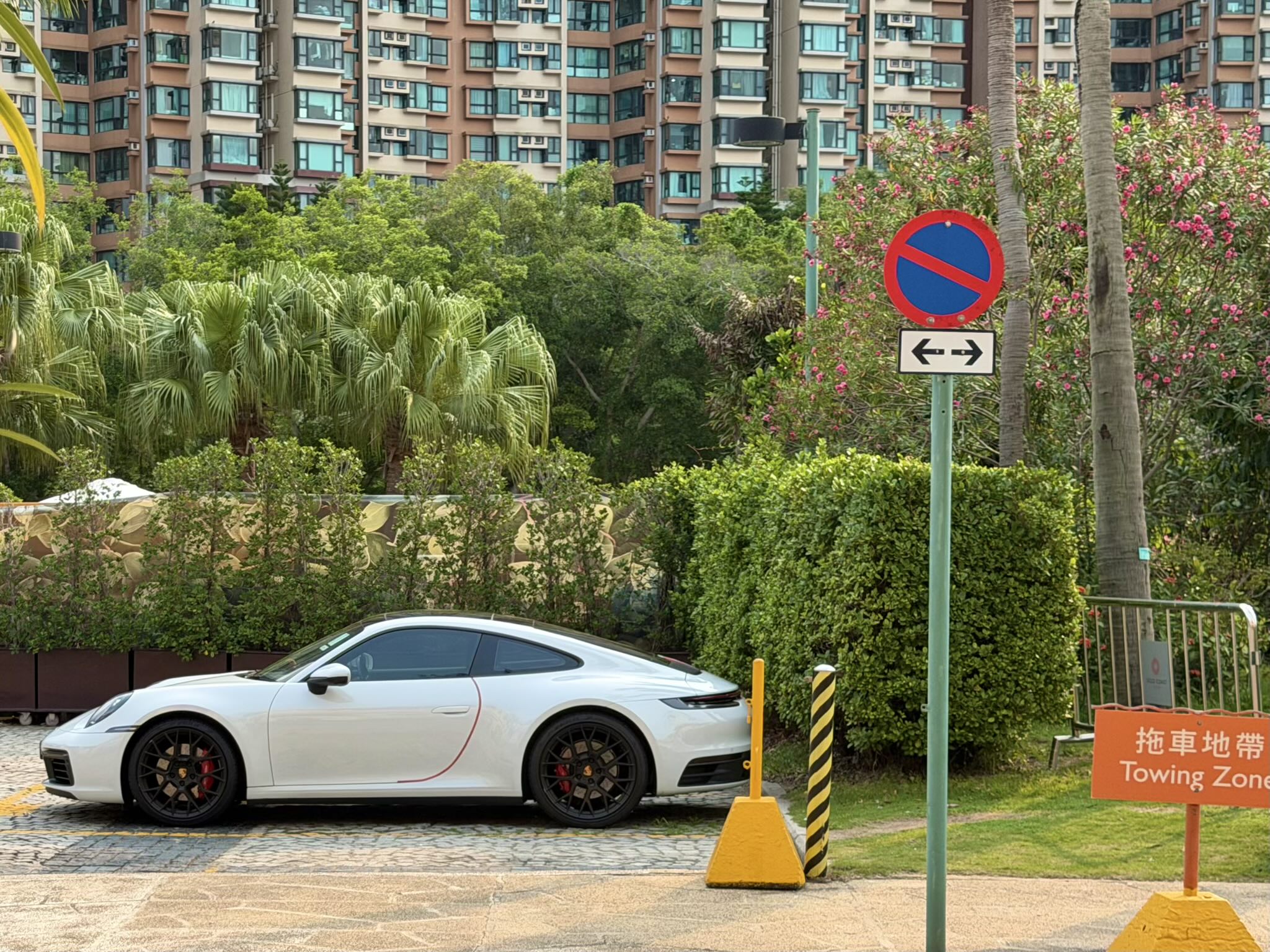
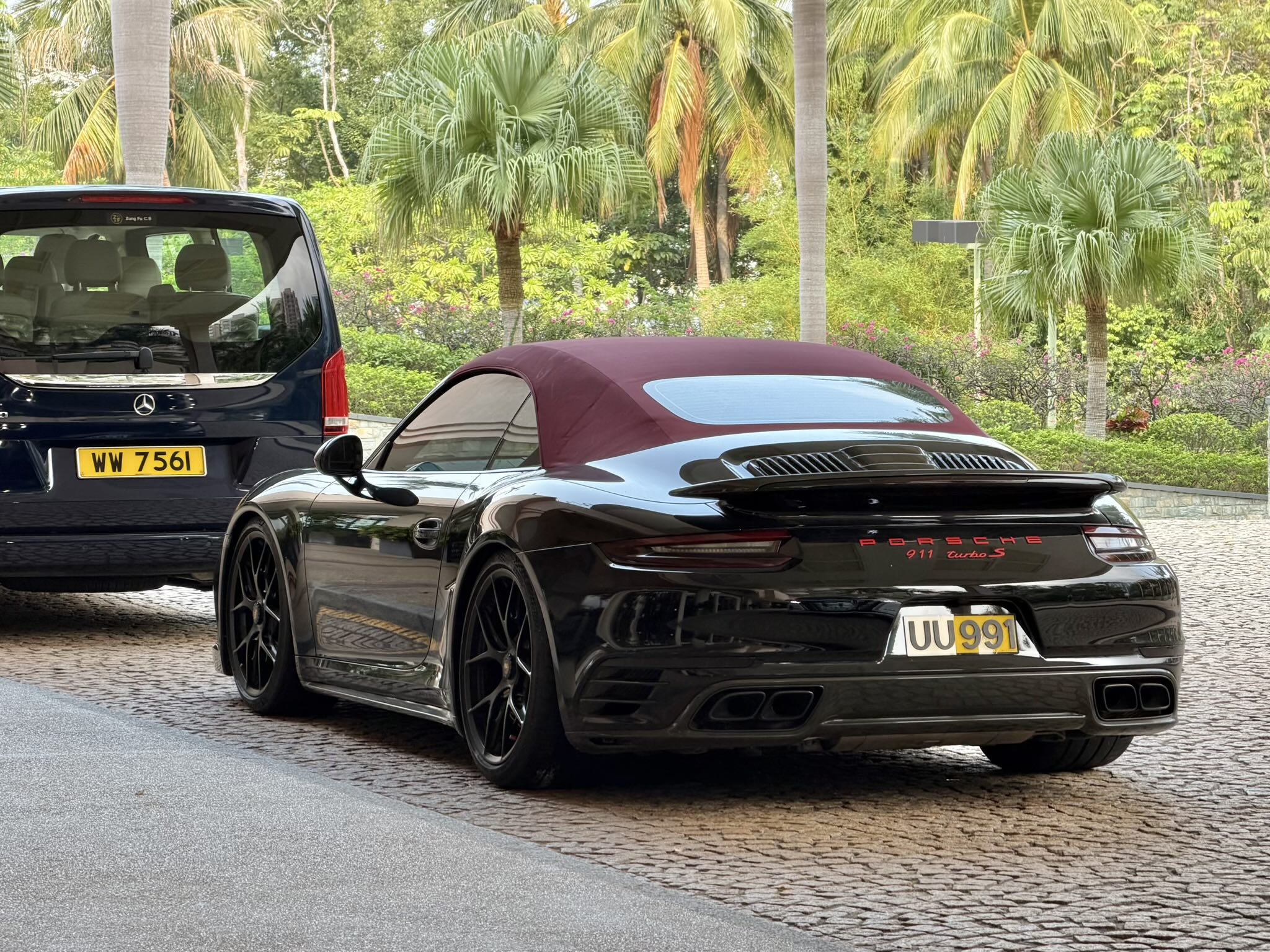
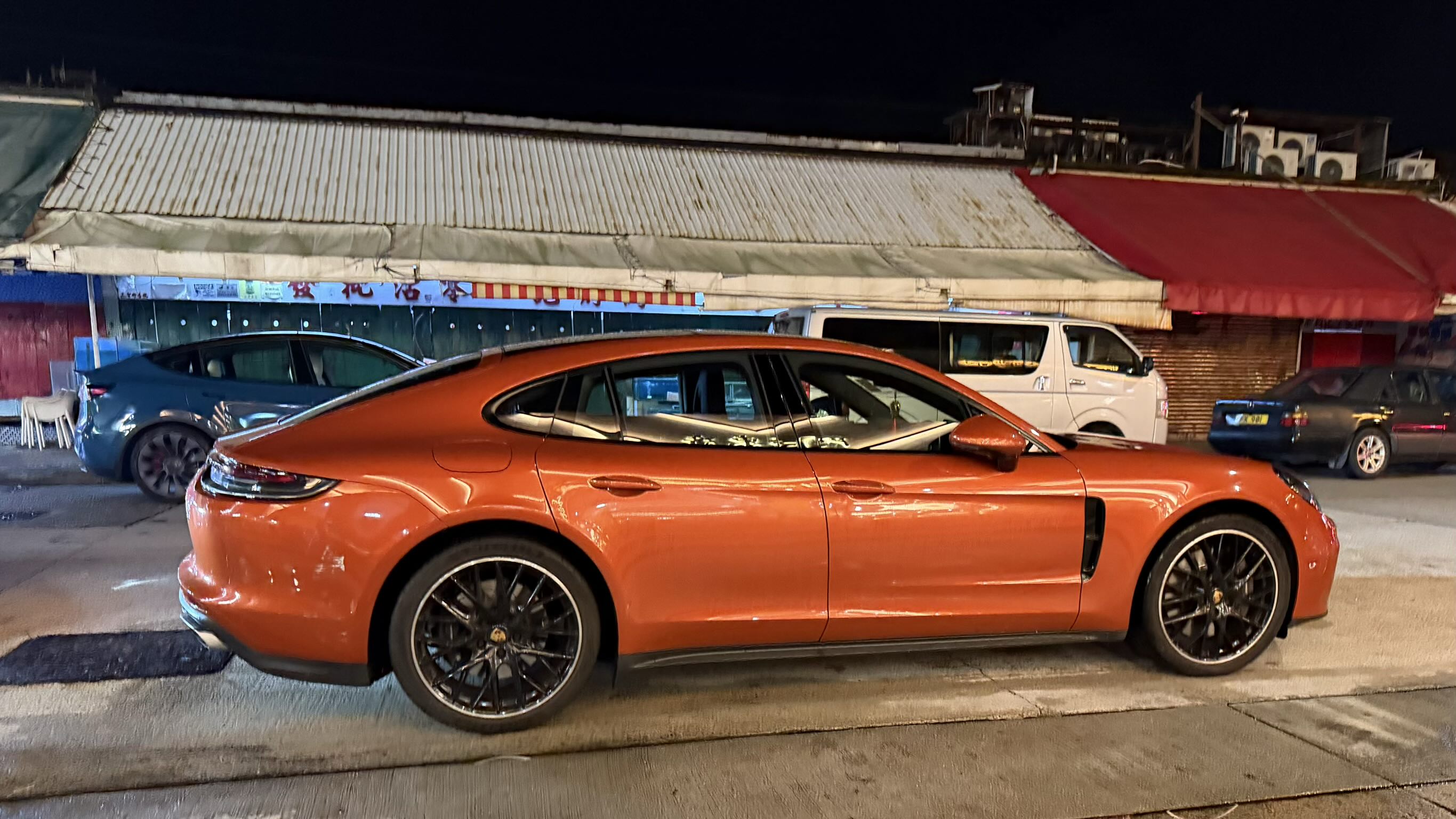
Somewhere between many BYDs and Porsches (white ones, black ones, orange ones near fish markets), I saw it: an MG Cyberster in the flesh for the first time.
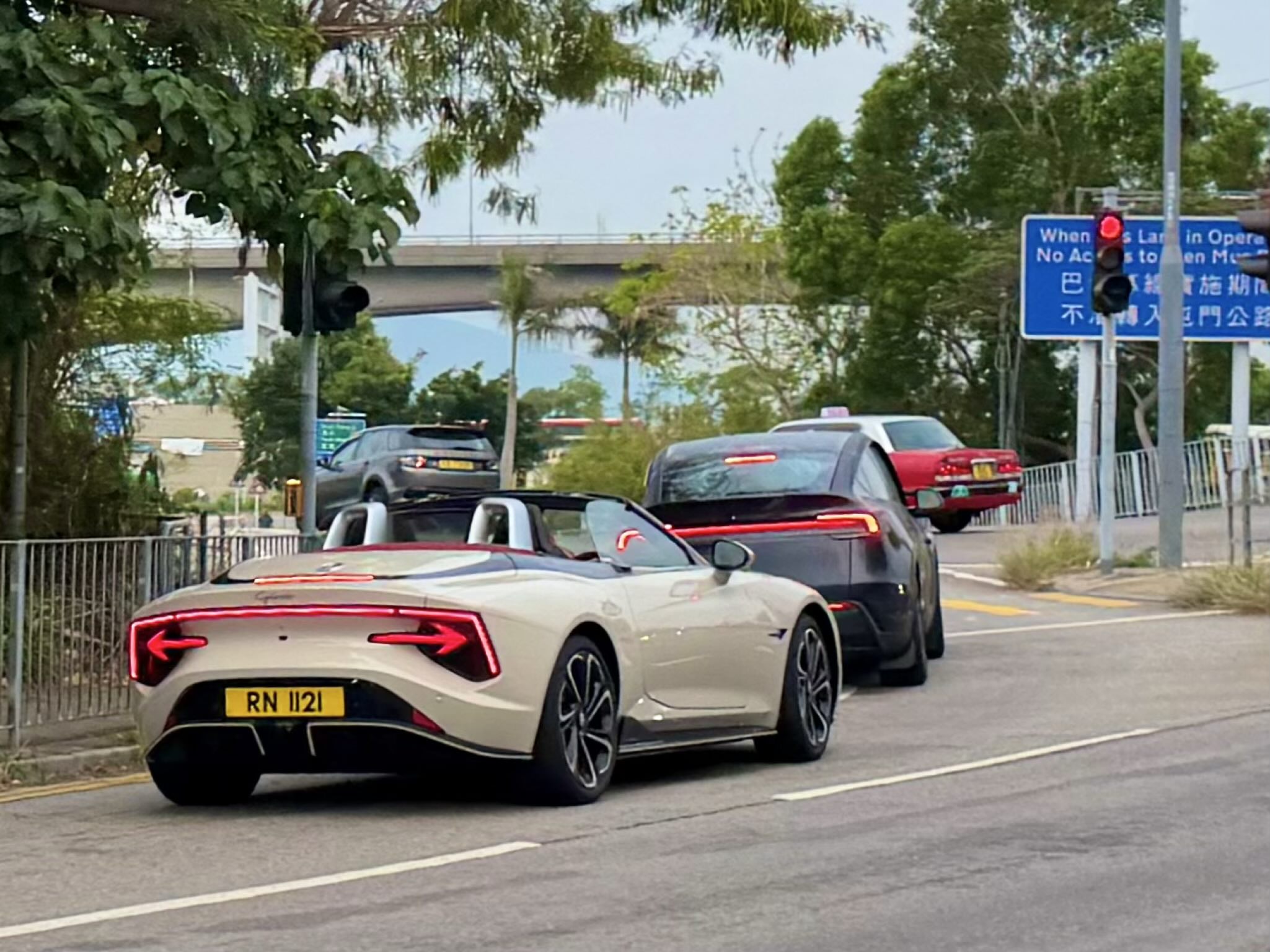
The Cyberster is the spiritual successor to cars like Goldie, my former 1969 MGB—all electric, scissor doors, and a shape that looks like MG finally remembered it used to make sports cars people actually coveted. As of this writing, the Tesla Roadster remains vaporware after eight-plus delays since its 2017 announcement, with production now pushed to 2027 at the earliest. So the Cyberster is, for all practical purposes, the only proper all-electric sports roadster you can actually buy today—at least if you live outside of the USA, where MGs haven’t been sold since 1980. It was my favorite car in all of Hong Kong.
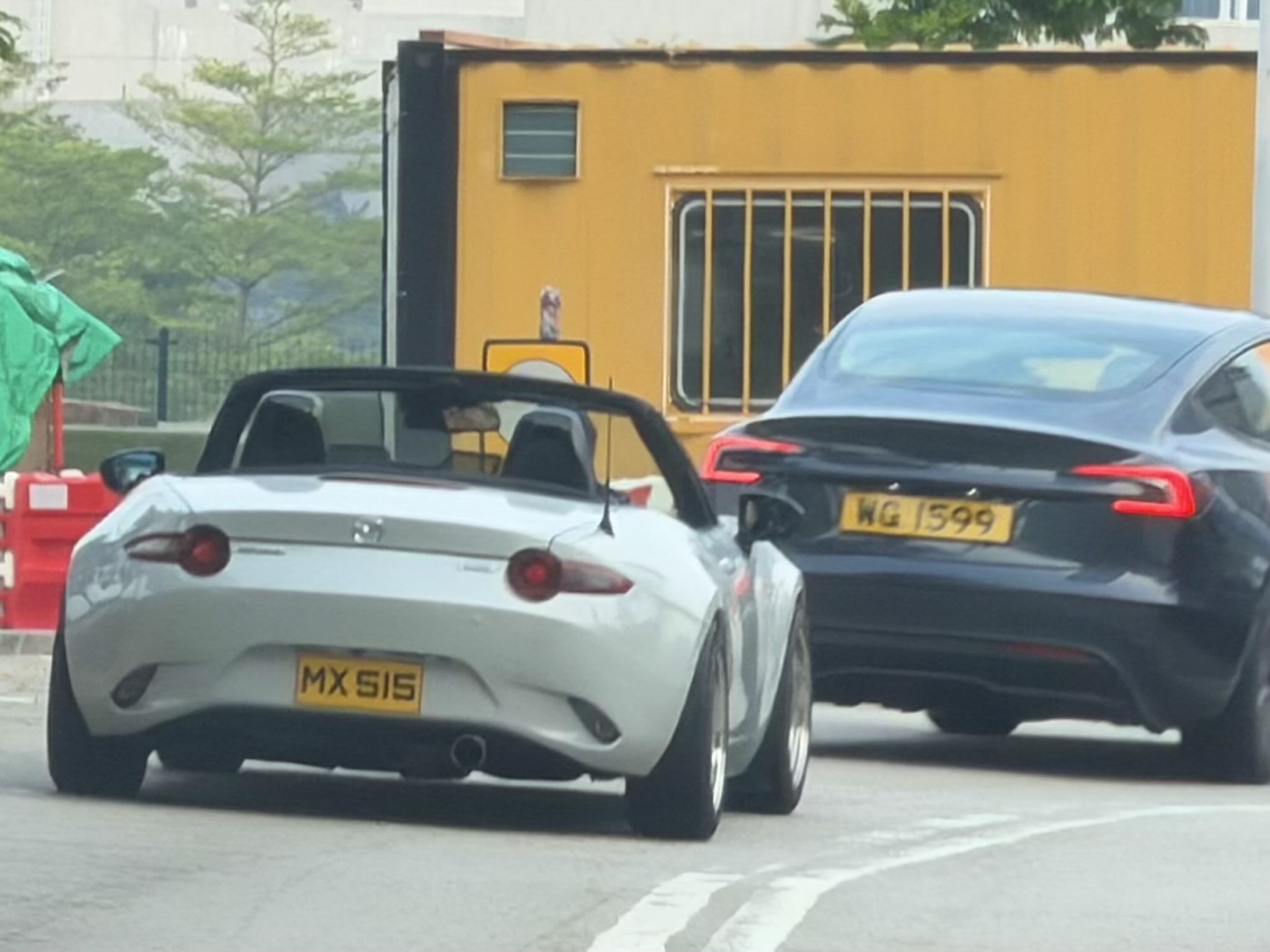
I also spotted a couple of fourth-generation Mazda Miatas with their tops down, which is the correct configuration for a Miata in any city and any climate.
What It Costs
A natural question, watching the parade of Porsches and McLarens, is: how? Hong Kong has no domestic car manufacturing, which means every vehicle is imported. On top of that, the government levies a First Registration Tax (FRT) calculated on a progressive scale—on a car with a taxable value of around HK$1,000,000 (roughly US$130,000), the FRT alone can exceed HK$800,000. Add some of the world’s highest fuel prices and parking that costs more per square foot than most people’s apartments, and car ownership here is a statement of commitment.
It’s not Singapore’s Certificate of Entitlement system, where the right to own a car is auctioned separately from the car itself, but the end effect is similarly wallet-busting.
Right-Hand and Left-Hand Worlds
One detail that snapped into focus: Hong Kong drives on the left, with right-hand-drive cars—a legacy of British colonial rule. Cross the border into Shenzhen and everything flips. Mainland China drives on the right.
The Hong Kong-Zhuhai-Macao Bridge handles the transition with a braided ramp system that physically guides drivers from one side of the road to the other without requiring them to stop or navigate oncoming traffic. Engineering as quiet theater.
Differences with Macau
Neighboring Macau—which was under Portuguese colonial rule—is also a Special Administrative Region (SAR) of China. Like Hong Kong, it also drives on the left and both use right-hand-drive cars. The cars you’ll see in Macau largely mirror what’s on Hong Kong’s streets too: same manufacturers, same configurations.
But look more closely and the differences surface. Hong Kong enforces Euro 6 emissions standards, among the strictest anywhere. Macau’s standards are independently set and occasionally diverge in engine tune or exhaust specifications, meaning the “same” model sold in both cities may not be mechanically identical. Taxation also differs: Hong Kong’s First Registration Tax is famously steep, while Macau’s consumption tax on vehicles runs somewhat lower. The result is that a car costing a certain amount in Macau may carry a meaningfully different sticker price across the water in Hong Kong.
The easiest tell at a glance: the license plates. Hong Kong uses white at the front and yellow at the rear—the British scheme. Macau uses black plates with white characters front and rear, a style tracing back to Portugal. I saw one car wearing both plates.
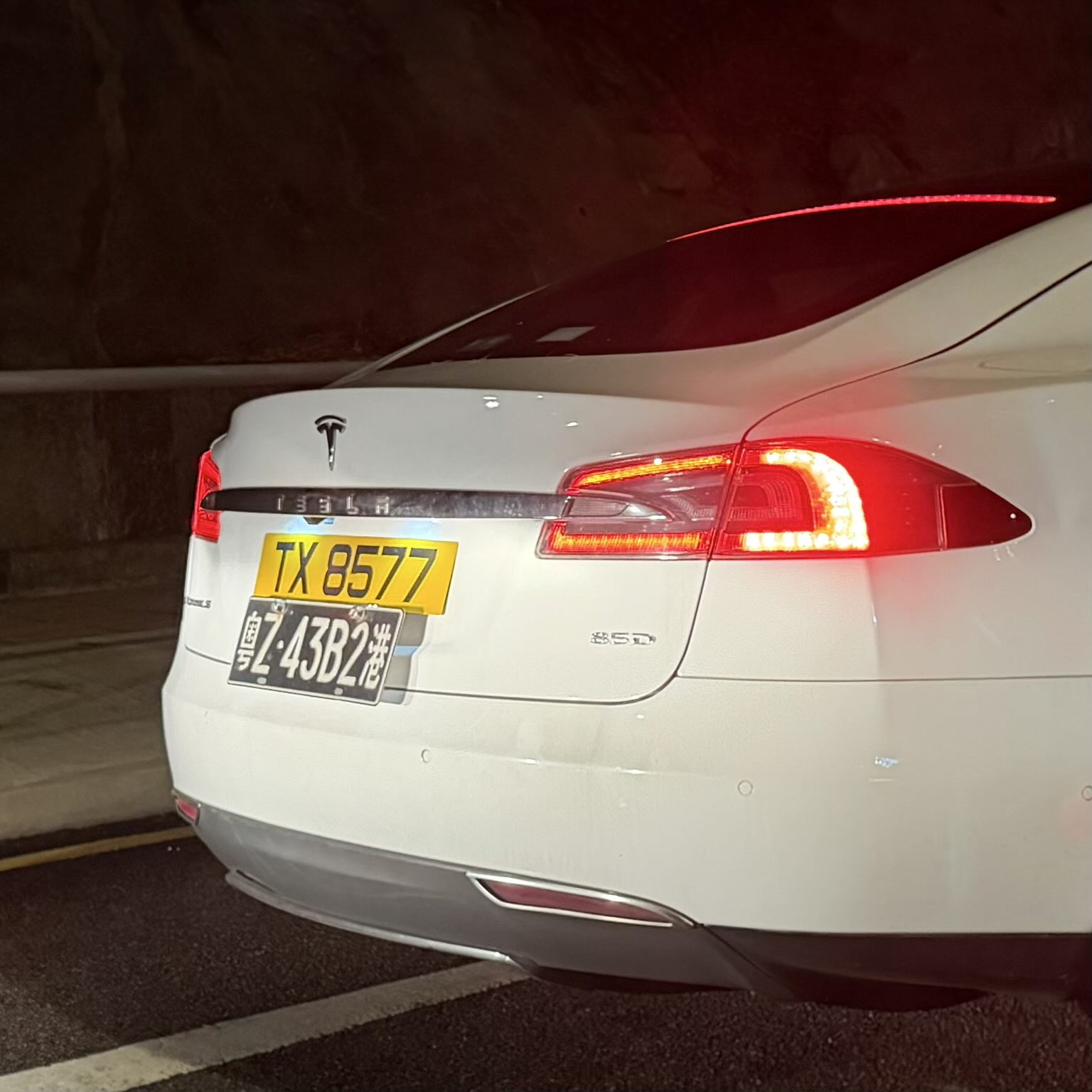
If you ever spot a car carrying three sets of plates simultaneously, it’s authorized to cross all three jurisdictions: Hong Kong, Macau, and the mainland. Driving a Hong Kong-registered car to Macau requires a Closed Road Permit from the Transport Department—which costs hundreds of Hong Kong dollars a year—plus separate Macau and mainland insurance, and a pre-booked crossing time that generates a QR code you show at the tolls. That last step has to be arranged the day before.
Driving into Shenzhen is a different proposition entirely: beyond the permit, you’d need to acquire both a mainland Chinese driving license and a second set of mainland license plates. The cost and paperwork are steep enough that most Hong Kong drivers don’t do this.
Night Riders at Stonecutters Island
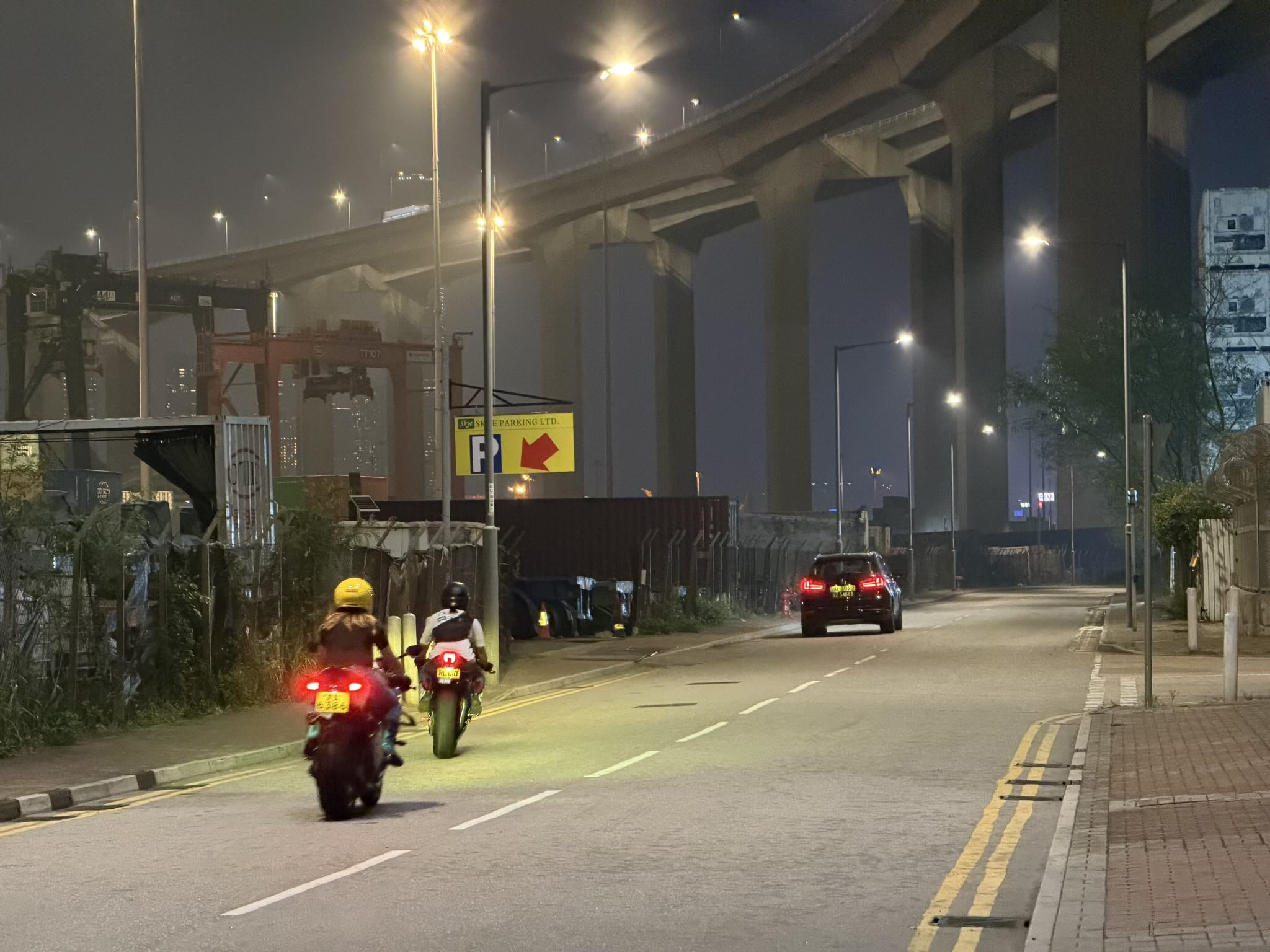
On a Sunday night, a gathering of young sportbike riders—mostly on black Yamahas, at least one decked out in Petronas livery—had claimed the west end of Stonecutters Island as their informal meeting point. About half the riders were women.
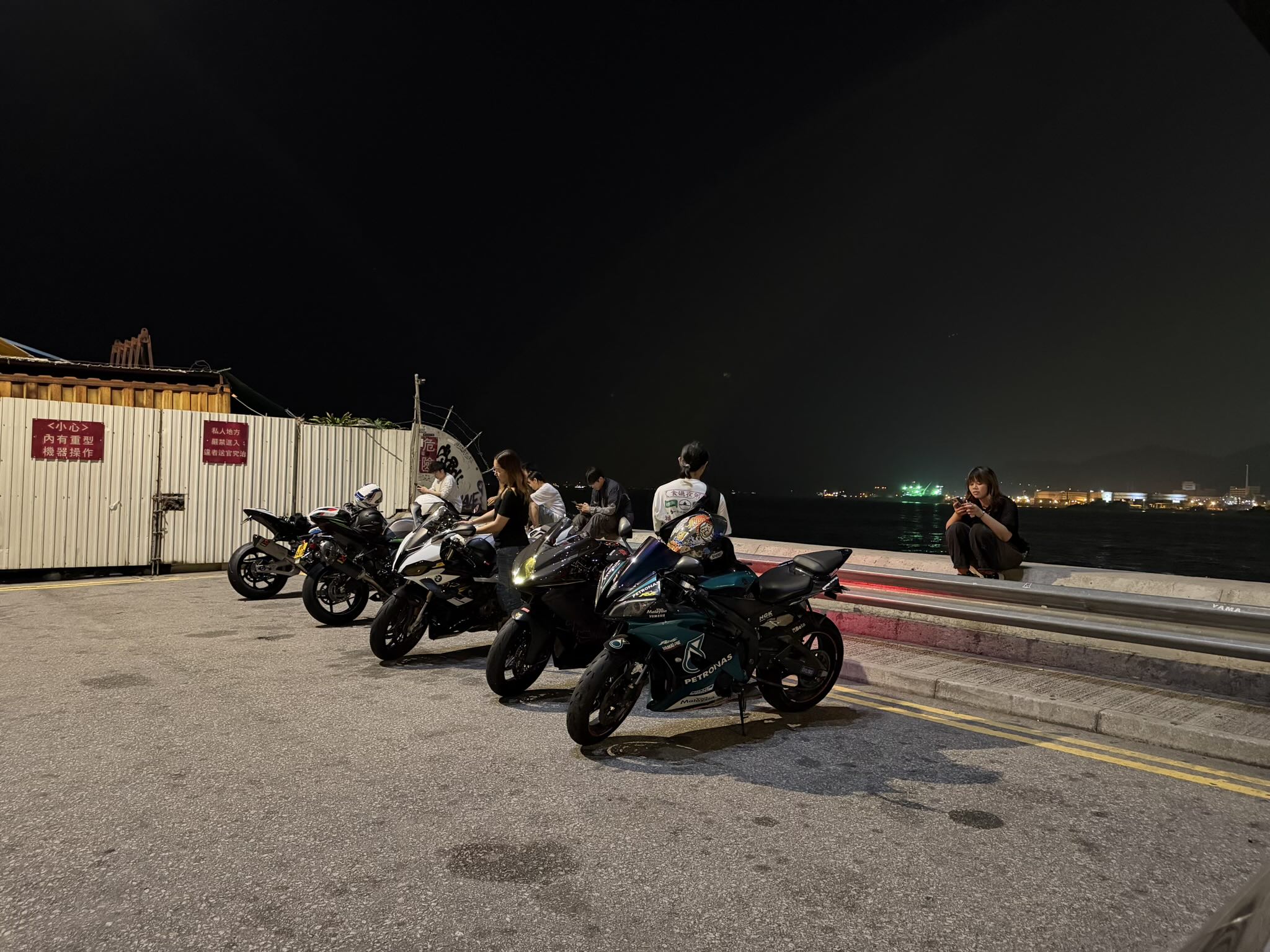
When they finally left, it was in a loose formation through empty streets under sodium-vapor light. Especially due to the female motorcyclists, the scene called to mind the James Cameron-created series Dark Angel that aired from 2000-2002, minus the post-apocalyptic part, since Hong Kong is very much a functioning society and a thriving one at that.