Yellowstone Day 1: Bison, Geysers, and Snow in June

There is a particular optimism in setting an alarm for 6:00 a.m. to beat the crowds at Yellowstone National Park, and a particular humility in reaching the West Entrance at 7:15 a.m. to find several hundred people who had the same thought. The queue at the booth gave me time to study the lodgepole pines, which is more than most drivers get.
Earlier in the month I had bought an America the Beautiful annual pass for $80, which turned out to be the shrewdest thing I did all trip. Since January 1, 2026, non-U.S. residents pay a $100 surcharge on top of the standard entrance fee at eleven of the most-visited national parks, and Yellowstone is on the list. Without the pass, Andrea and I would have paid $35 for the vehicle plus $100 for her—$135, good for seven days. In contrast, the annual pass covers the holder and every passenger in the same private vehicle, at every park in the system, for a year. Eighty dollars to make a hundred-dollar problem vanish is the rare bargain that improves the more you think about it.
Our vehicle for the two days was a 2025 Jeep Compass Trailhawk, the first Jeep I have driven. I liked it more than I expected to. The stereo is excellent, the materials are a cut above what a compact crossover needs to offer, and the lane-centering is among the better systems I’ve used. It’s not quite as good as my Mustang Mach-E‘s lane-holding, but it avoids the pinballing that makes some cars exhausting on a long day. This generation of Compass also looks good, which counts. Best of all, it returned 33 miles per gallon over a day of park driving, beating its own EPA highway rating of 32 while wearing all-terrain tires.
The last time I came through here, in September 2005, I was driving Elaina, my Foglio Green 1991 Alfa Romeo Spider Veloce, somewhere in the middle of a three-month road trip that ended with me moving to Fort Collins. Elaina was rated at 30 miles per gallon on the highway and reliably delivered 35. The Jeep beat its rating by one. Twenty-one years of engineering progress, and the Italians are still ahead on the only metric I bothered to record—albeit for a much smaller (and sportier) vehicle.
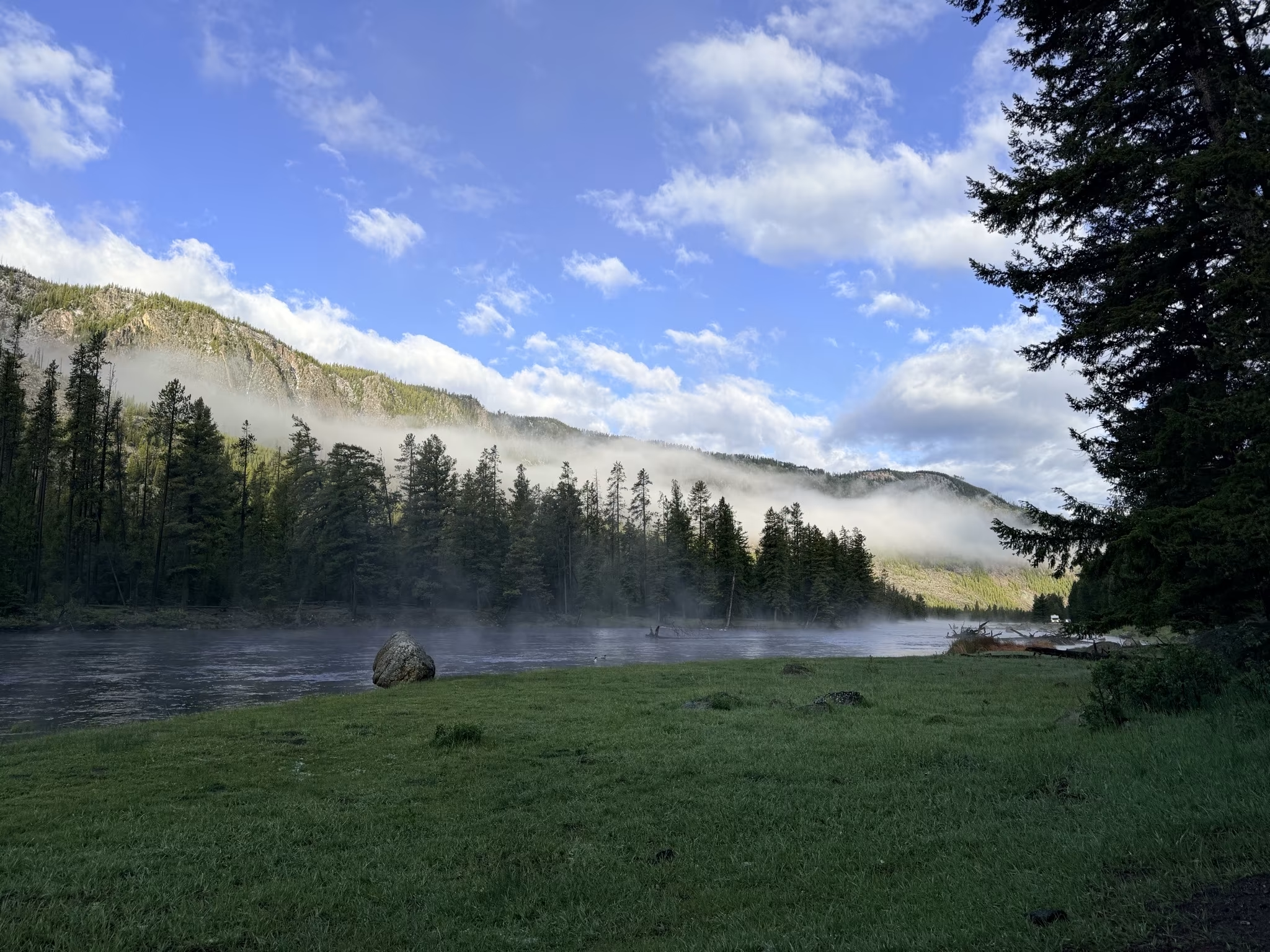
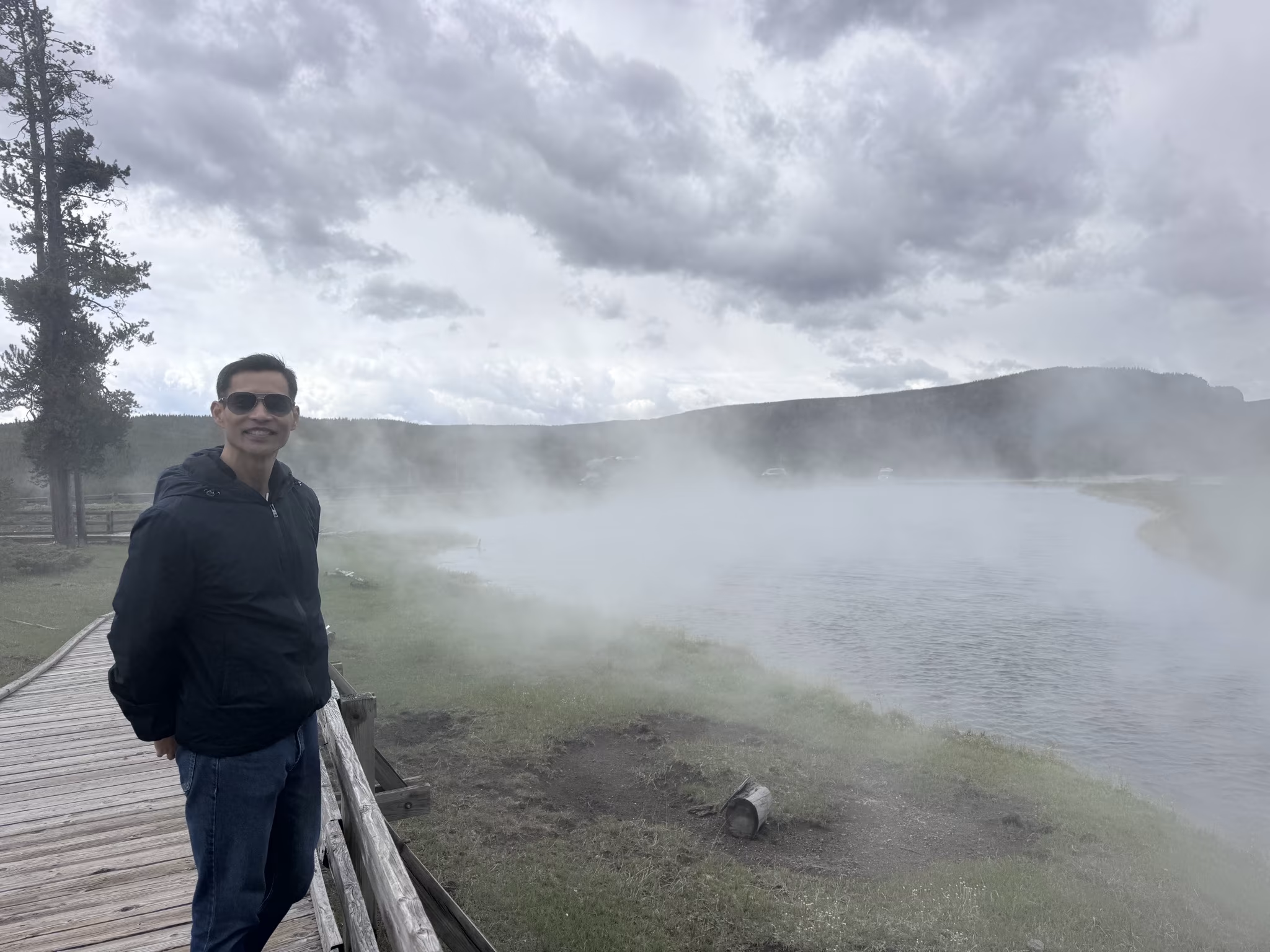
Fog was still coming off Juniper Creek as we drove in, which felt like the park clearing its throat.
Bison Before Breakfast
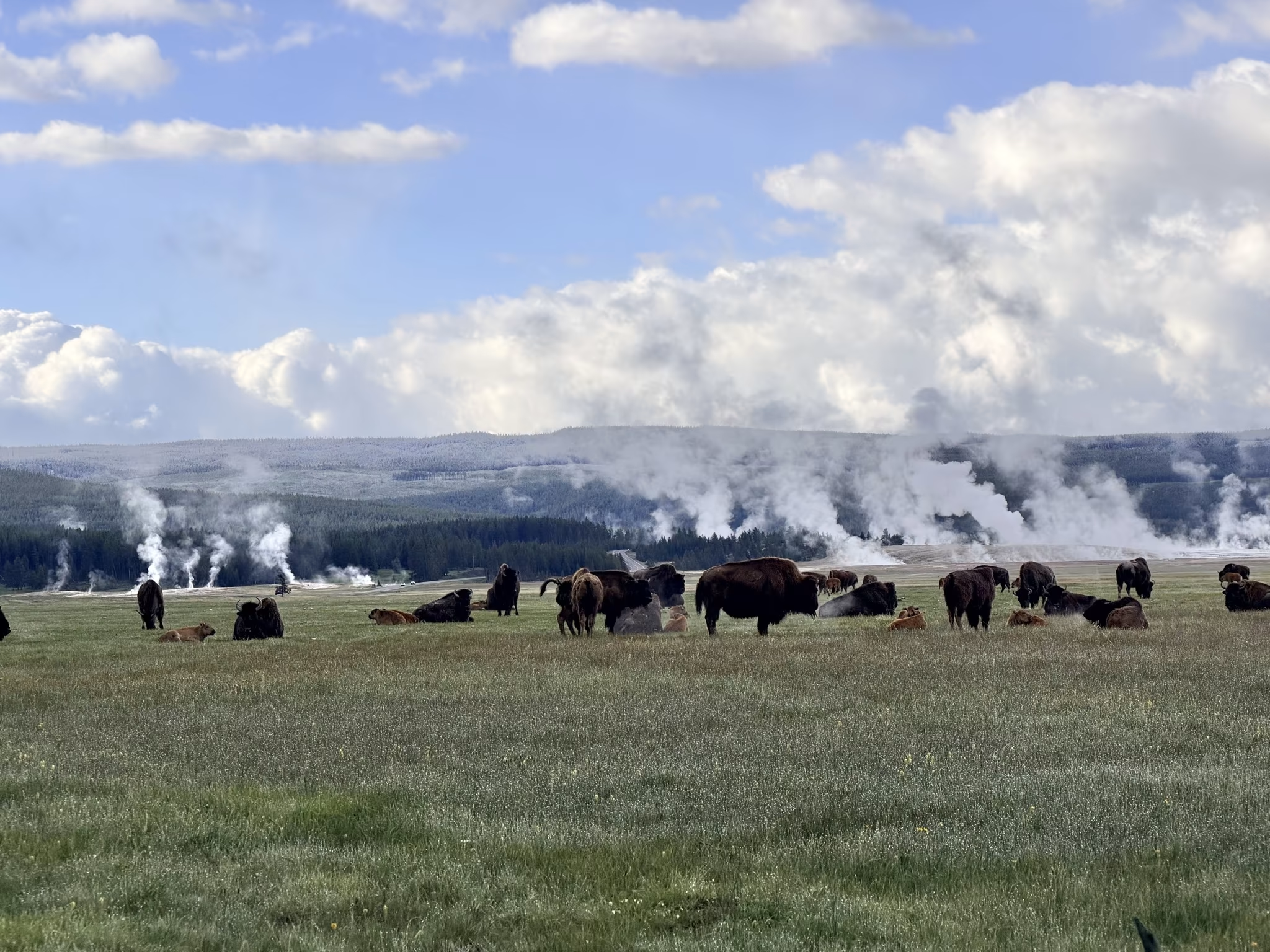
We had been inside the boundary for perhaps ten minutes when the first bison appeared. Then more. Then a great many more.
A note on terminology. When I passed through in 2005 I wrote that I had “encountered a lot of buffalo,” and I was wrong. These are bison. Buffalo live in Africa and Asia. Americans have called them buffalo for two centuries anyway, which is roughly as accurate as calling a Jeep a Land Rover, and about as likely to change. I have now corrected myself twenty-one years late, which is the sort of thing a blog is for.
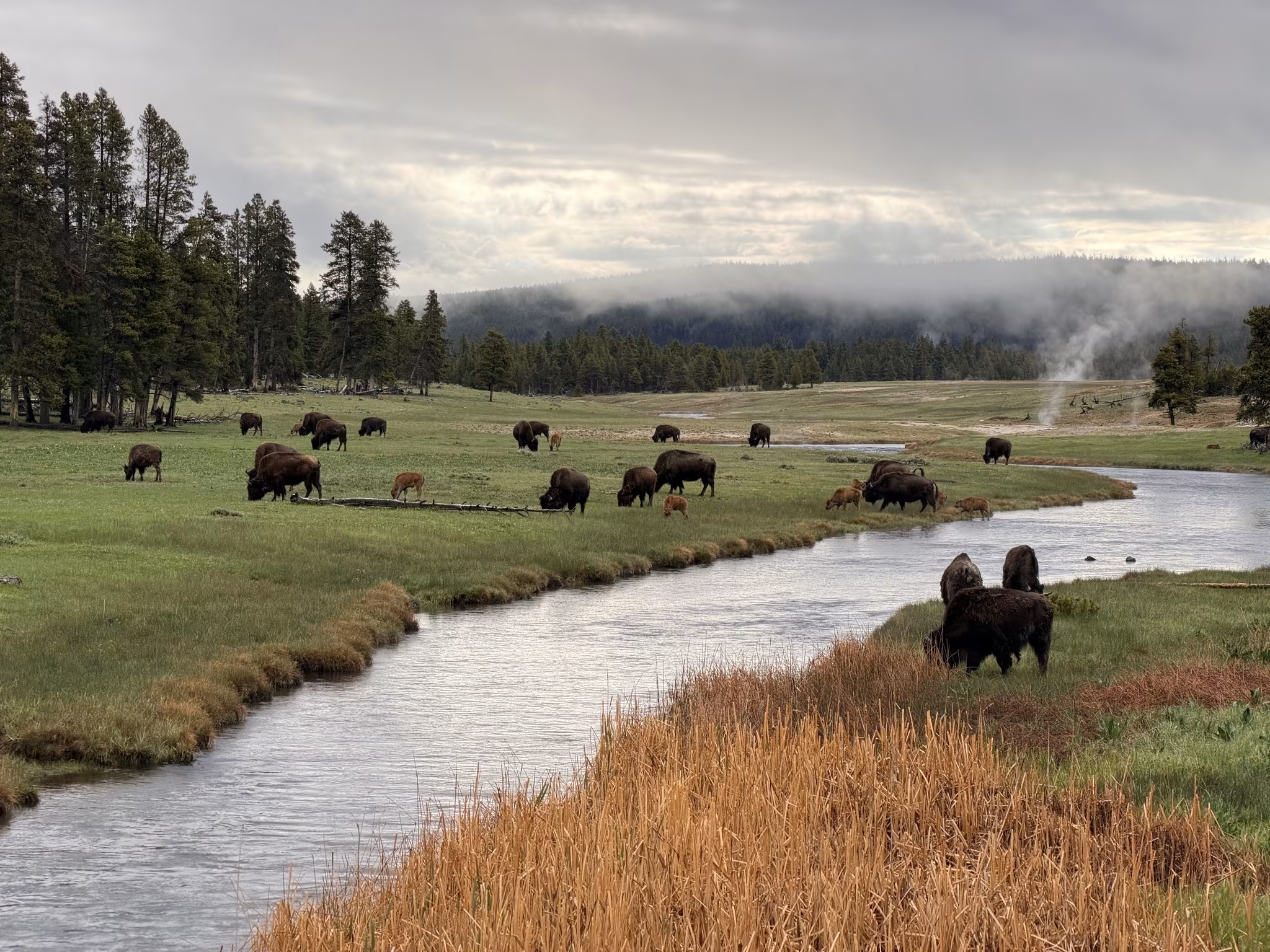
The largest concentration was along Nez Perce Creek, where a scattered herd worked its way through the meadow under a low ceiling of cloud. Others had positioned themselves on Grand Loop Road itself, which they are entitled to do and clearly know it. Traffic behaves differently around an animal that outweighs your rental car’s front axle.
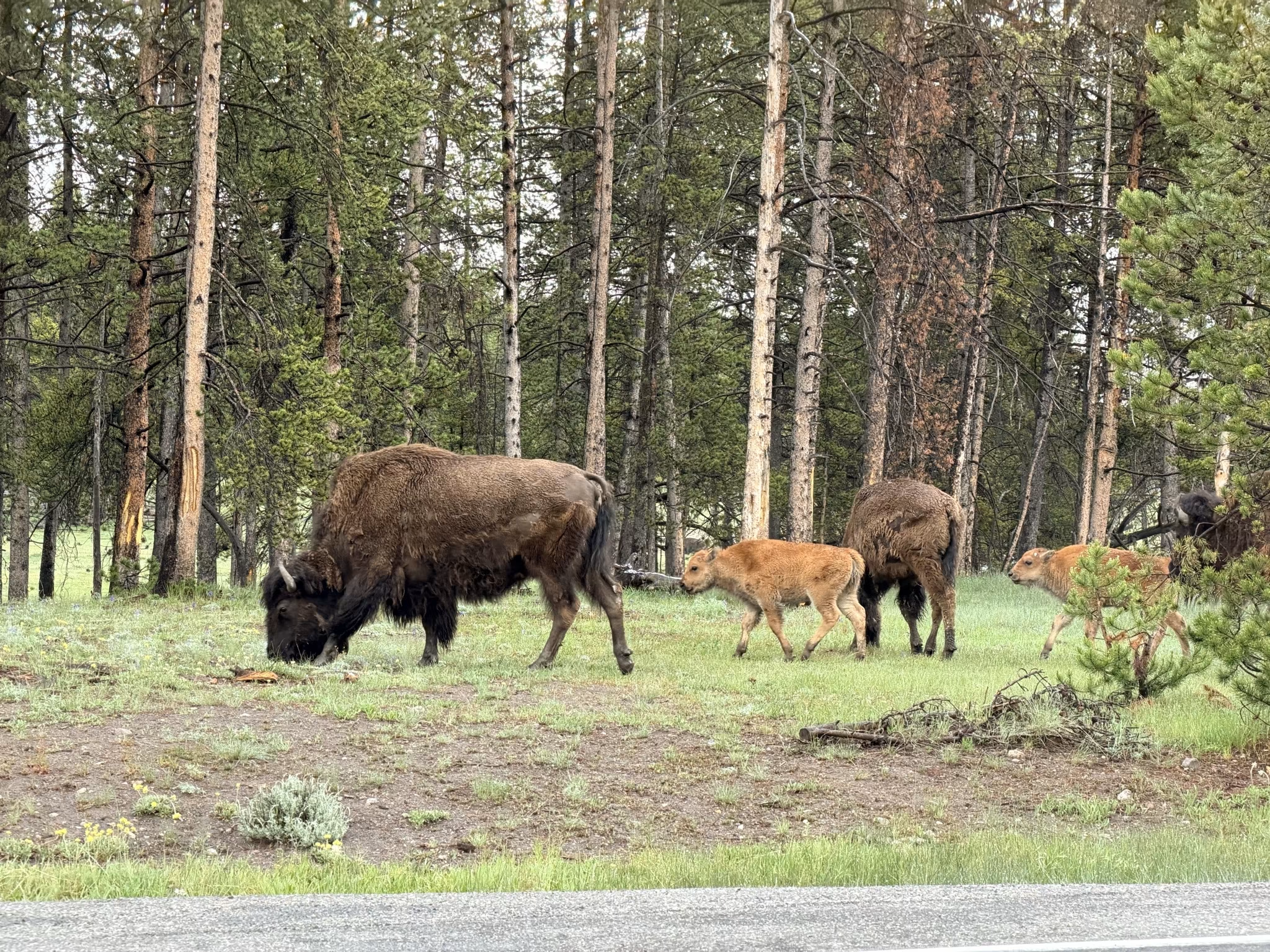
The calves were the color of cinnamon, several shades lighter than their mothers, and stayed close to the tree line.
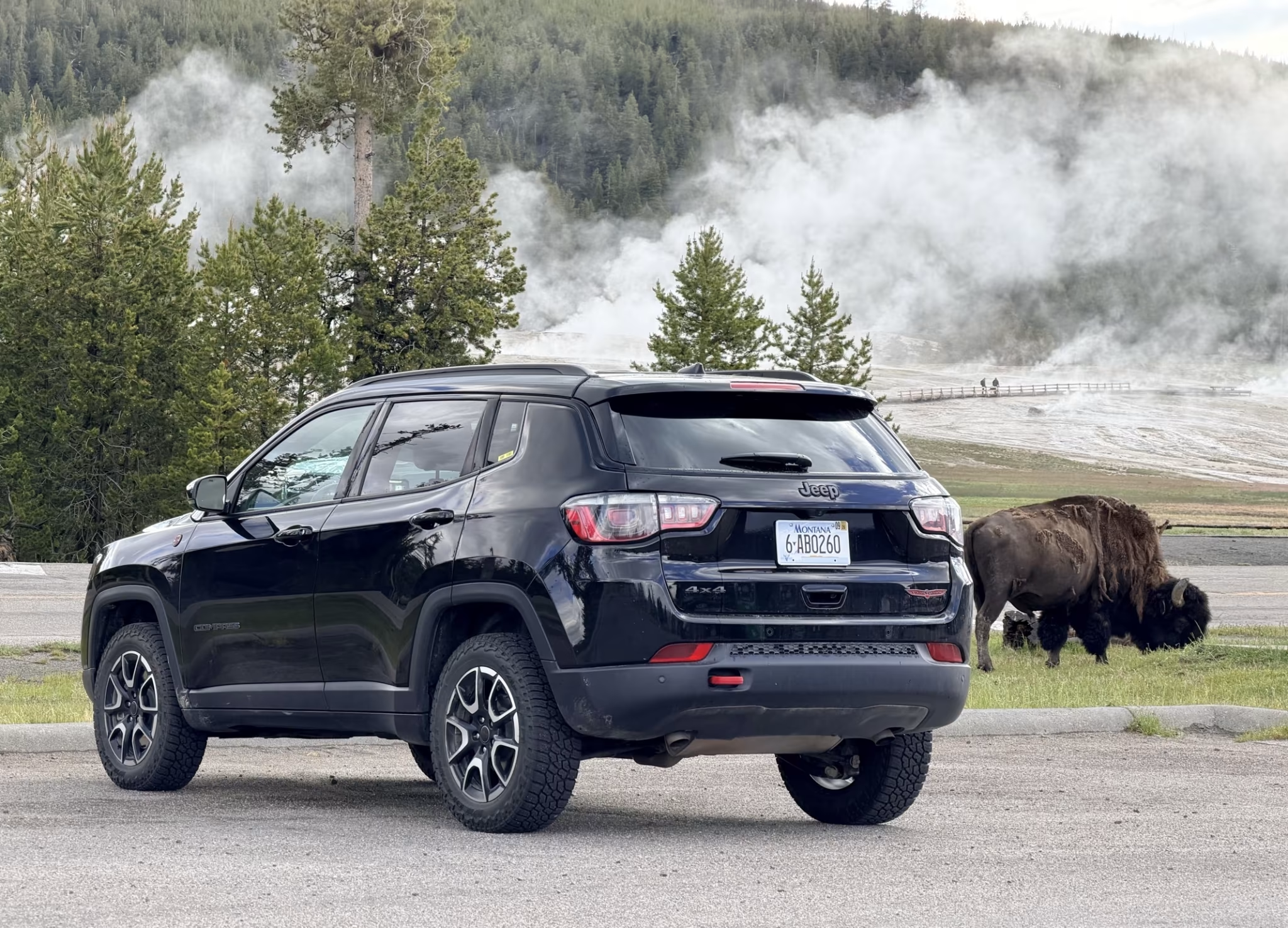
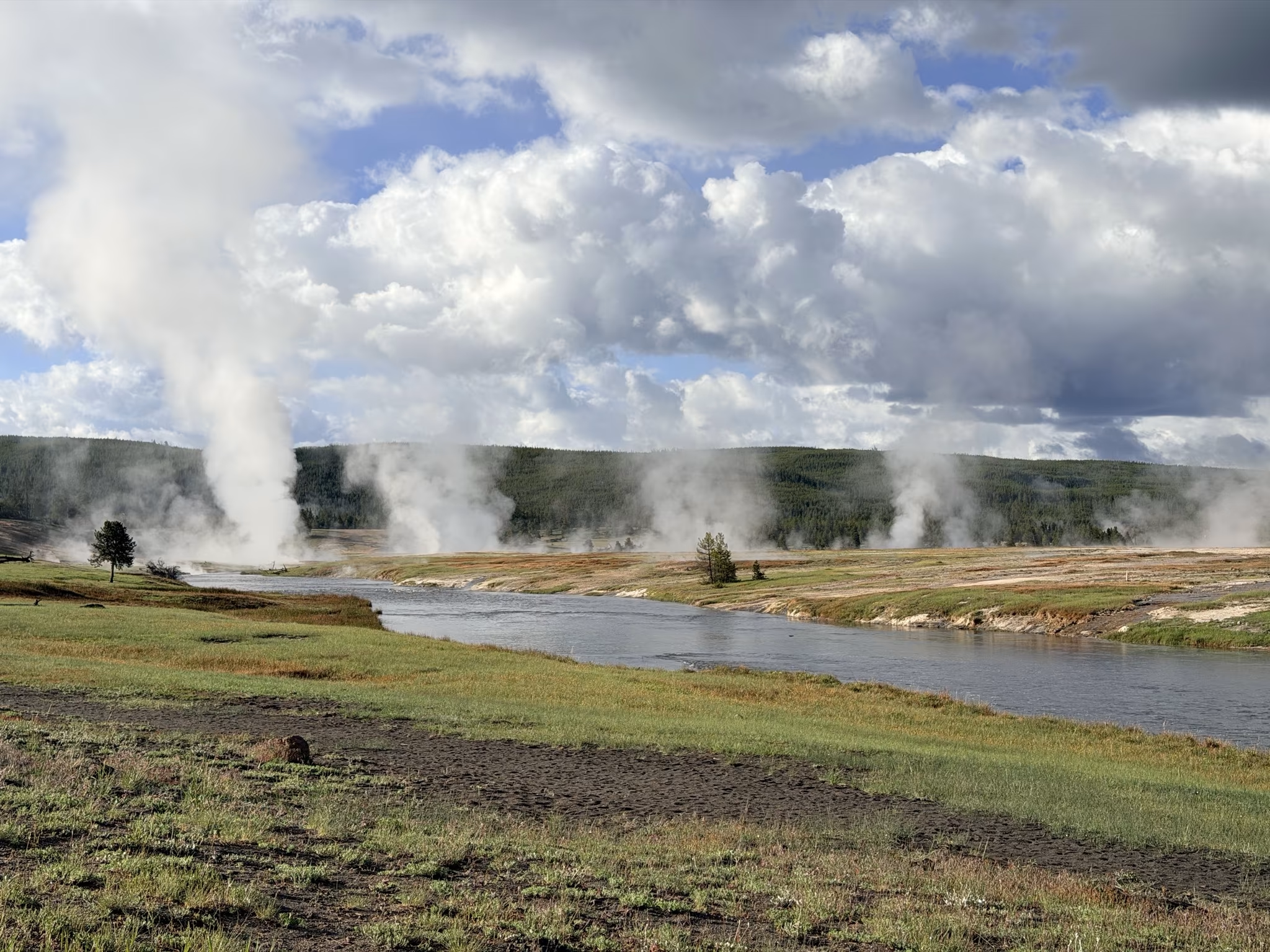
More impressive were the ones grazing directly on the steaming ground near Porcupine Hills, at the north end of the Lower Geyser Basin, plumes of vapor rising behind them like a badly ventilated kitchen. They seem entirely unbothered by standing on top of a volcano. I suppose if you have done it your whole life, so would you.
Old Faithful, Faithful by the Slimmest Margin
We reached Old Faithful at 8:00 a.m. and parked without incident, which at any point after ten in the morning would have been a small miracle.
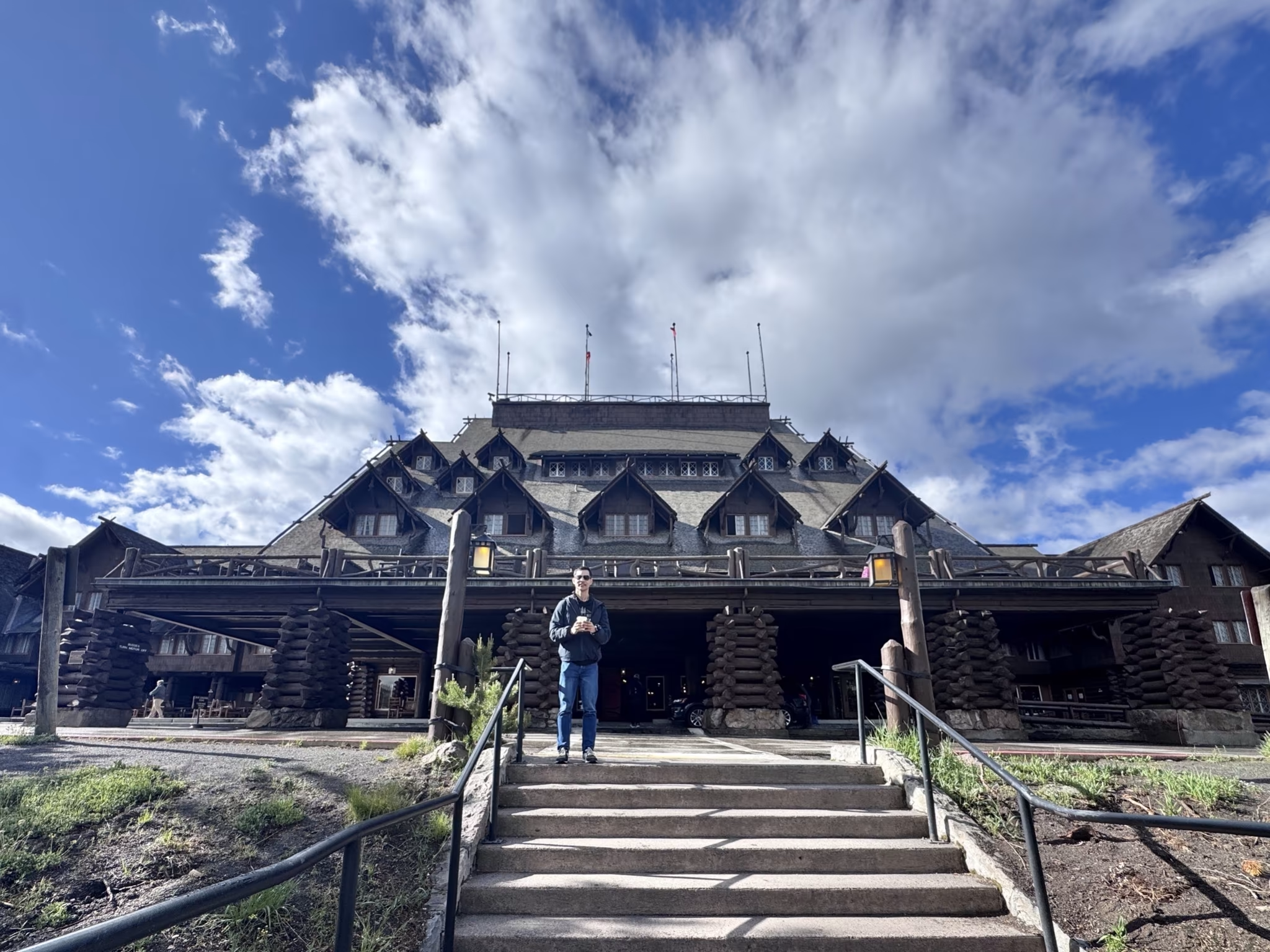
We went to the Old Faithful Inn first. Built over the winter of 1903–04 to a design by Robert C. Reamer, it is usually described as the largest log structure in the world, and Reamer deliberately made it asymmetrical so the building would echo the disorder of the landscape around it. Standing on the front steps under a churning sky, the effect works. It looks less like a hotel than like something that grew there.
Someone mentioned that the geyser was predicted to go off at 8:21 a.m., give or take ten minutes. Rangers derive these predictions from the length of the previous eruption, and they land inside that ten-minute window about ninety percent of the time.
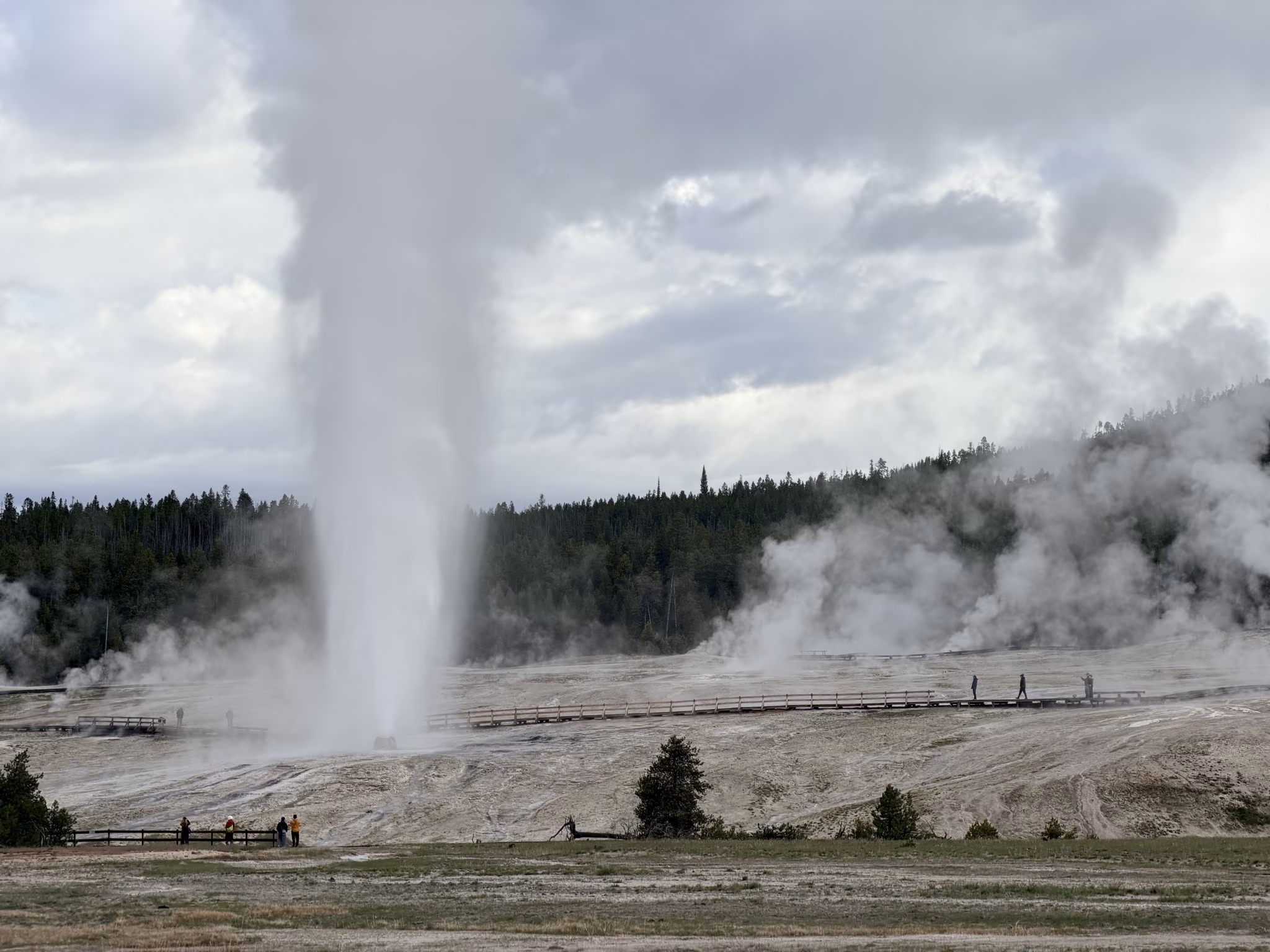
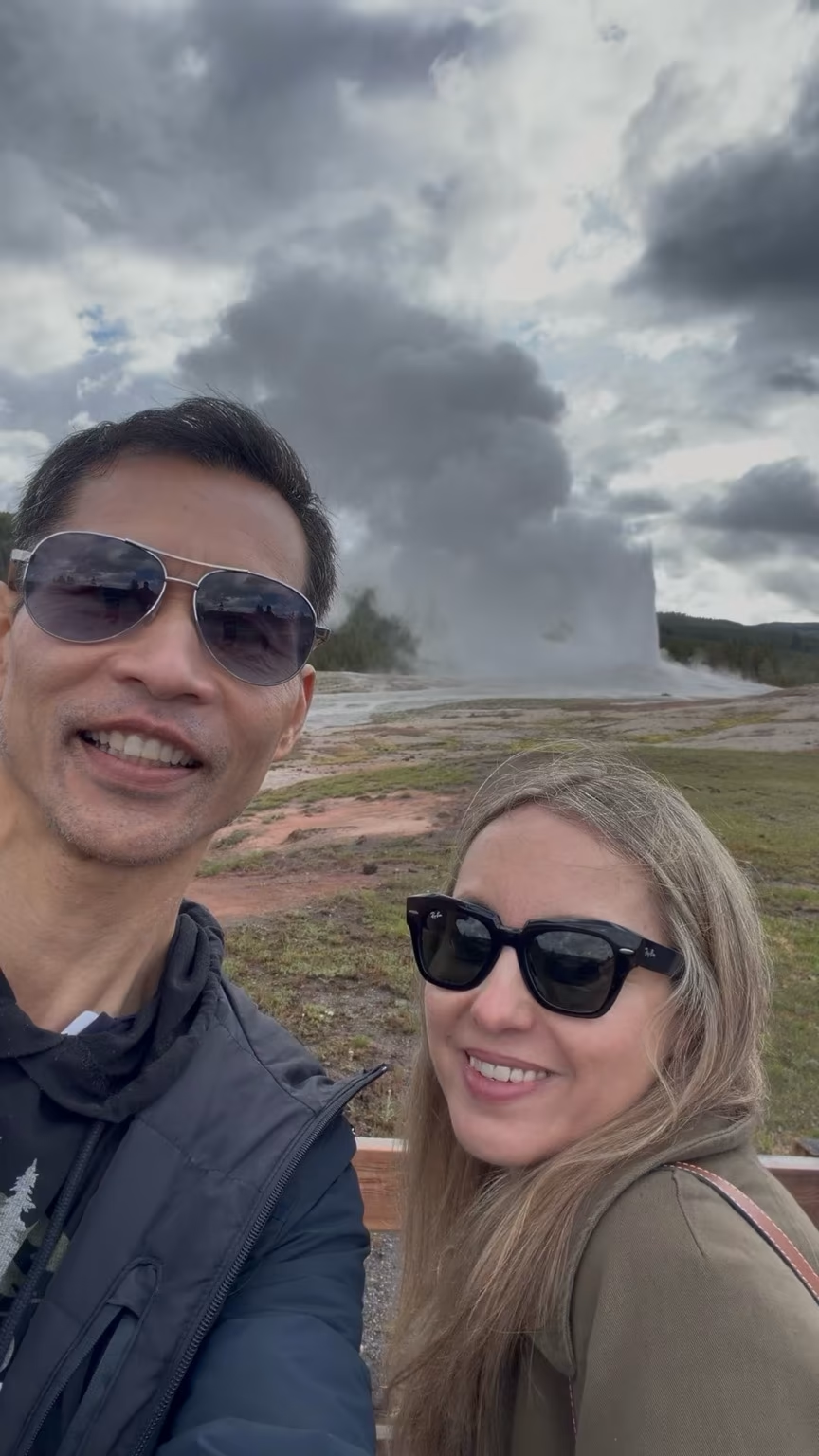
Old Faithful erupted at 8:31 a.m.
Faithful, then—by sixty seconds. In 2005 I captioned a photo here “Old Faithful remained faithful today,” which I can now report is still true, though it is cutting things finer than it used to. It is a strange thing to feel suspense about a geyser whose entire reputation rests on punctuality, and stranger still to find yourself checking your watch on its behalf, like a parent waiting up.
Afterward we walked over to the Old Faithful Visitor Education Center, which explains the plumbing beneath all of this with admirable patience.
Grand Prismatic Spring, on Foot
The parking lot at Midway Geyser Basin was full, with a line of cars waiting to inherit spaces from people who were in no hurry to leave. Circling a full lot is a game with no winners.
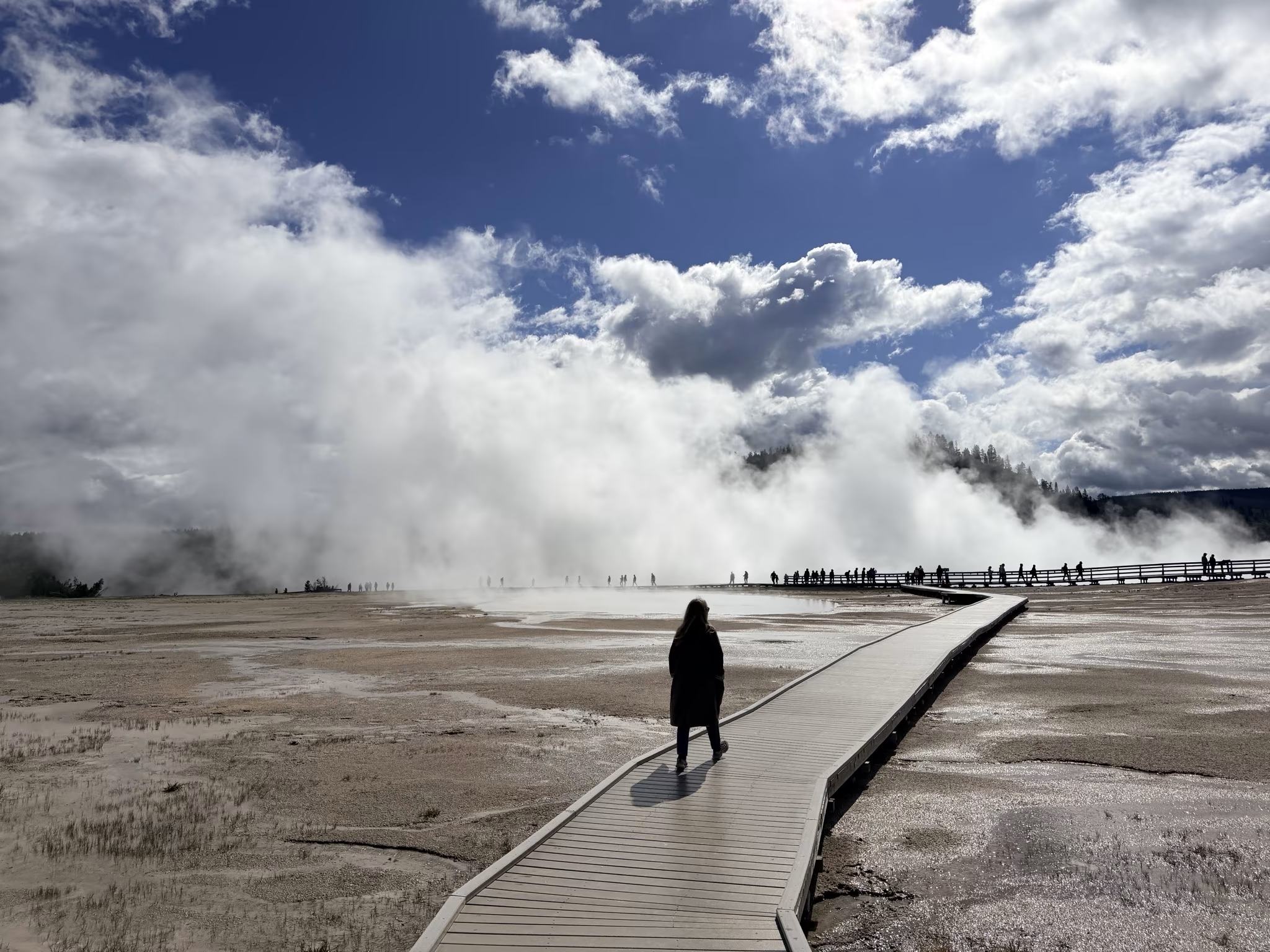
So we parked on the shoulder of Grand Loop Road about a kilometer back and walked. Five hundred meters in, the pools were already visible, steam blowing sideways across the flats. We reached the boardwalk while the drivers behind us were presumably still idling.
Grand Prismatic Spring is the largest hot spring in the United States and the third largest on earth, roughly 370 feet across. The colors come from thermophiles—microorganisms that live in water hot enough to cook you. The hottest water at the center supports almost nothing, which is why it reads as deep blue; that blue is optical, the water scattering light back at you. The oranges, rusts, and greens ringing the edges are living mats, sorted by temperature, each band a different community that can tolerate exactly that much heat and no more.
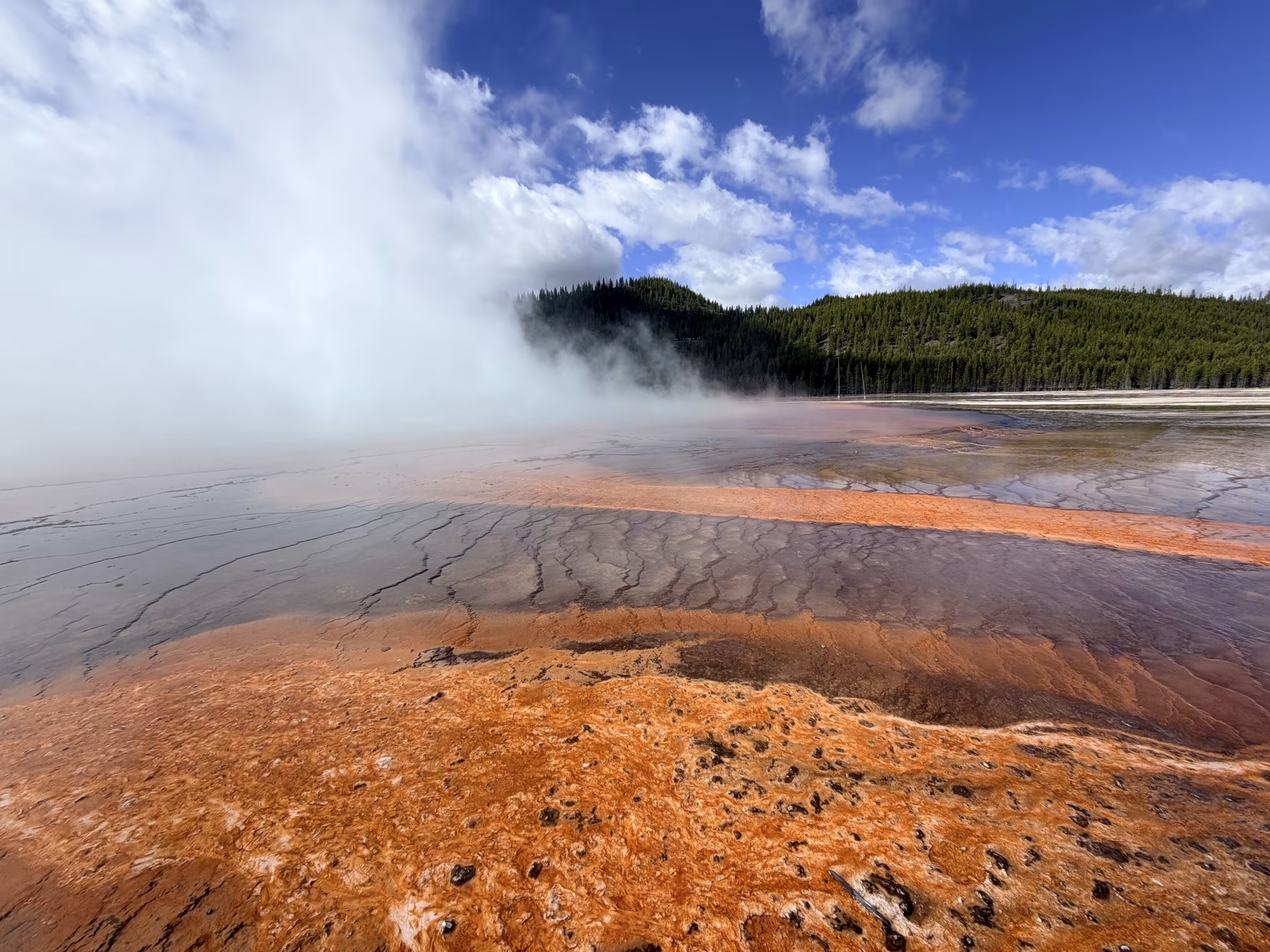
It is a thermometer you can see from a hillside.
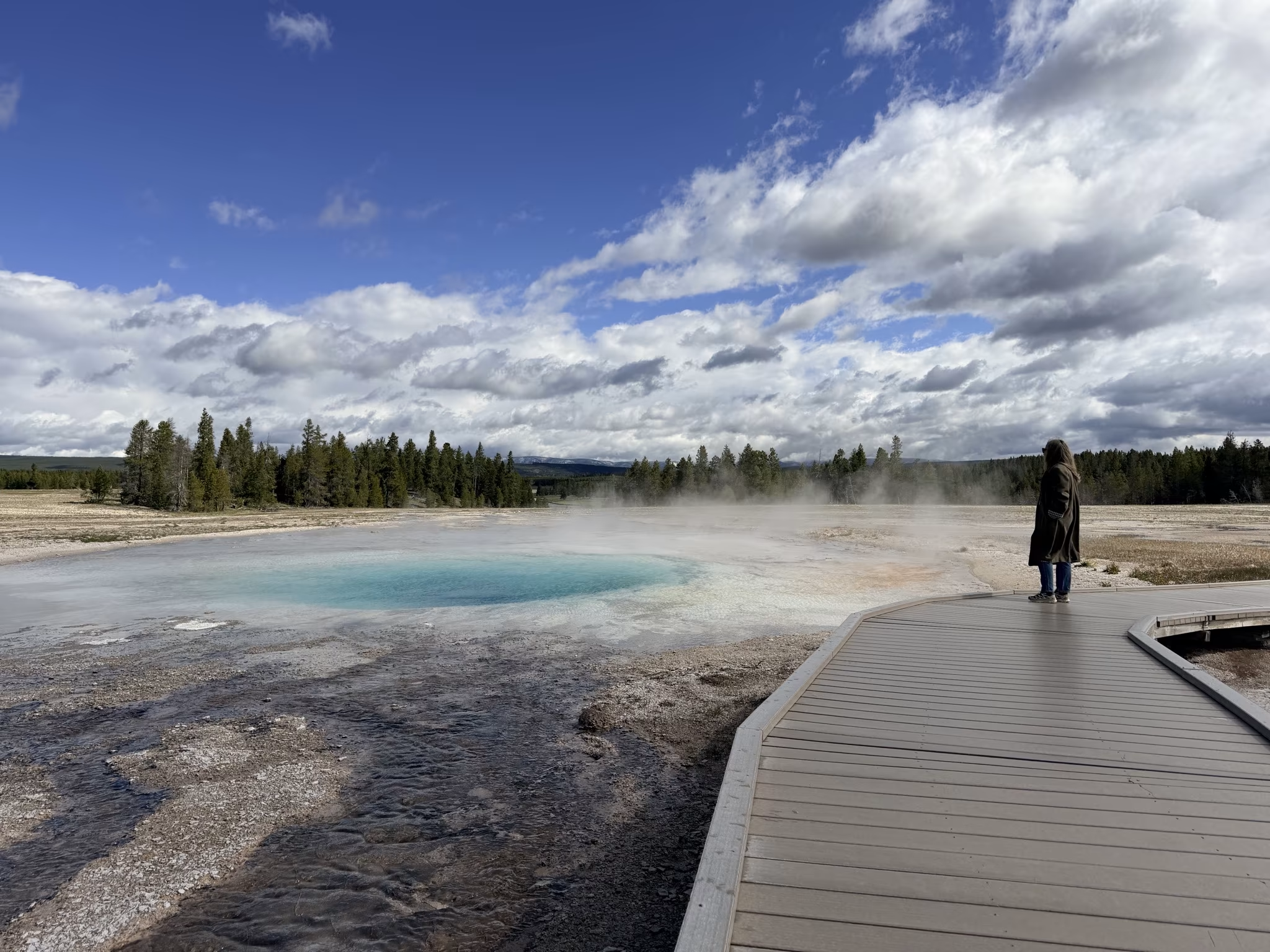
The steam is the complication. It drifts across the boardwalk in sheets, and for stretches of thirty seconds you can see nothing at all—not the spring, not the railing, not the person who was walking ahead of you.
Paint Pots, a Spring, and a Waterfall
We reached Fountain Paint Pot at 10:22 a.m. The short boardwalk there is the efficient stop in Yellowstone, because it contains all four types of hydrothermal feature—geysers, hot springs, mud pots, and fumaroles—in less than a mile. Leather Pool, Red Spouter, and Jelly Geyser are all on the loop. Red Spouter is the overachiever: depending on the season and the water table, it behaves as a hot spring, a mud pot, or a fumarole, which makes it either versatile or indecisive.
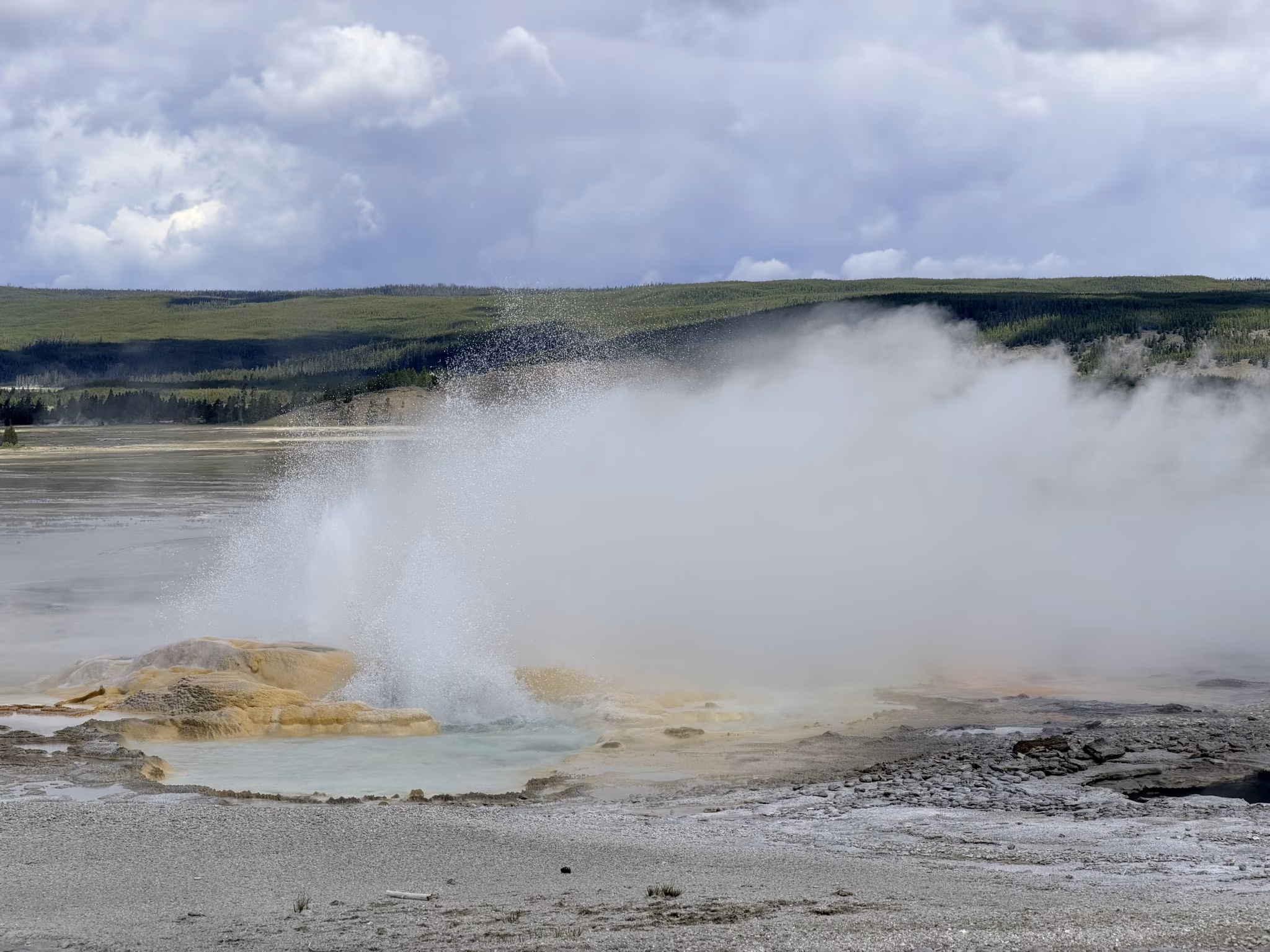
The clouds by this point had gone from decorative to architectural.
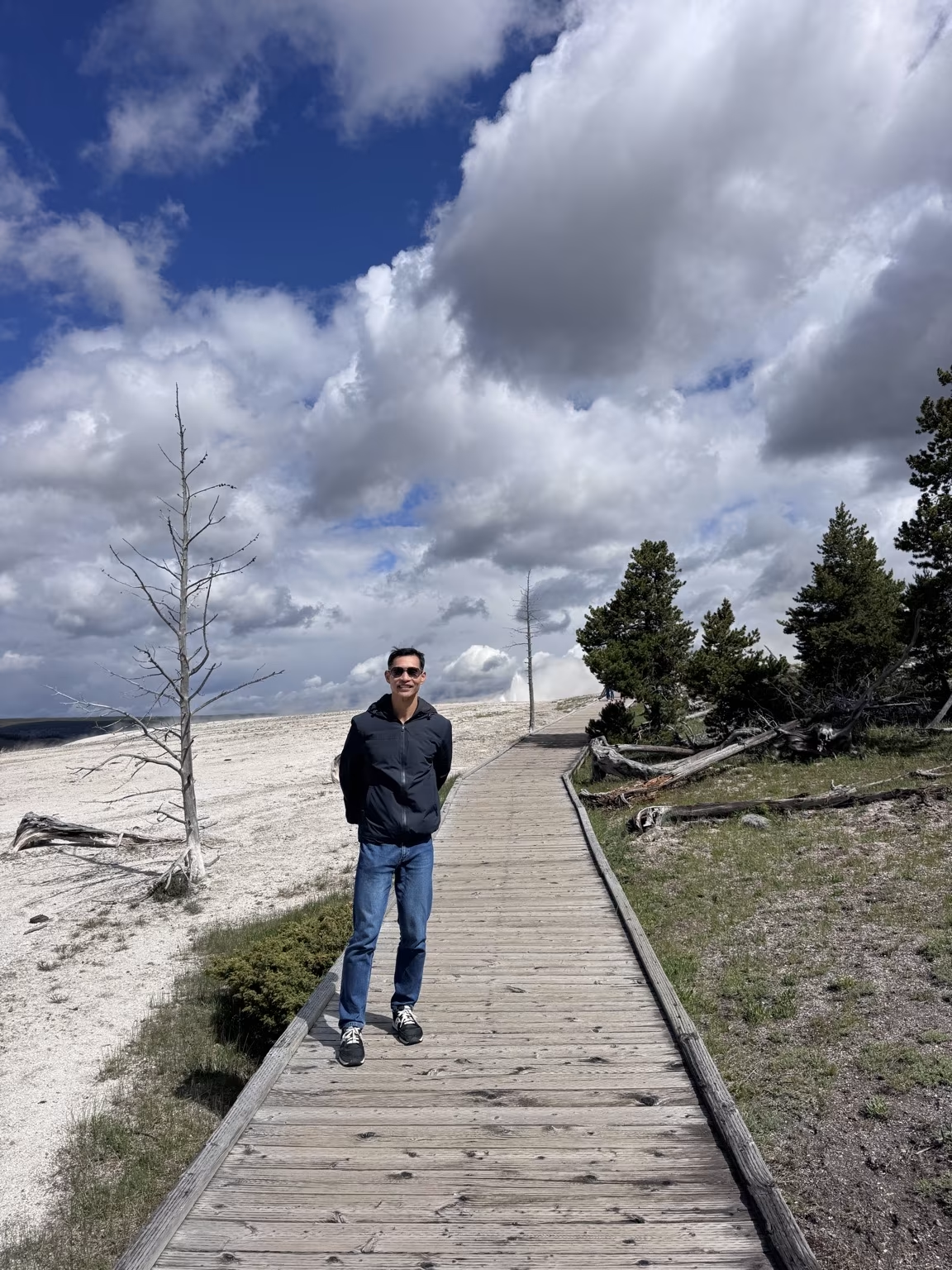
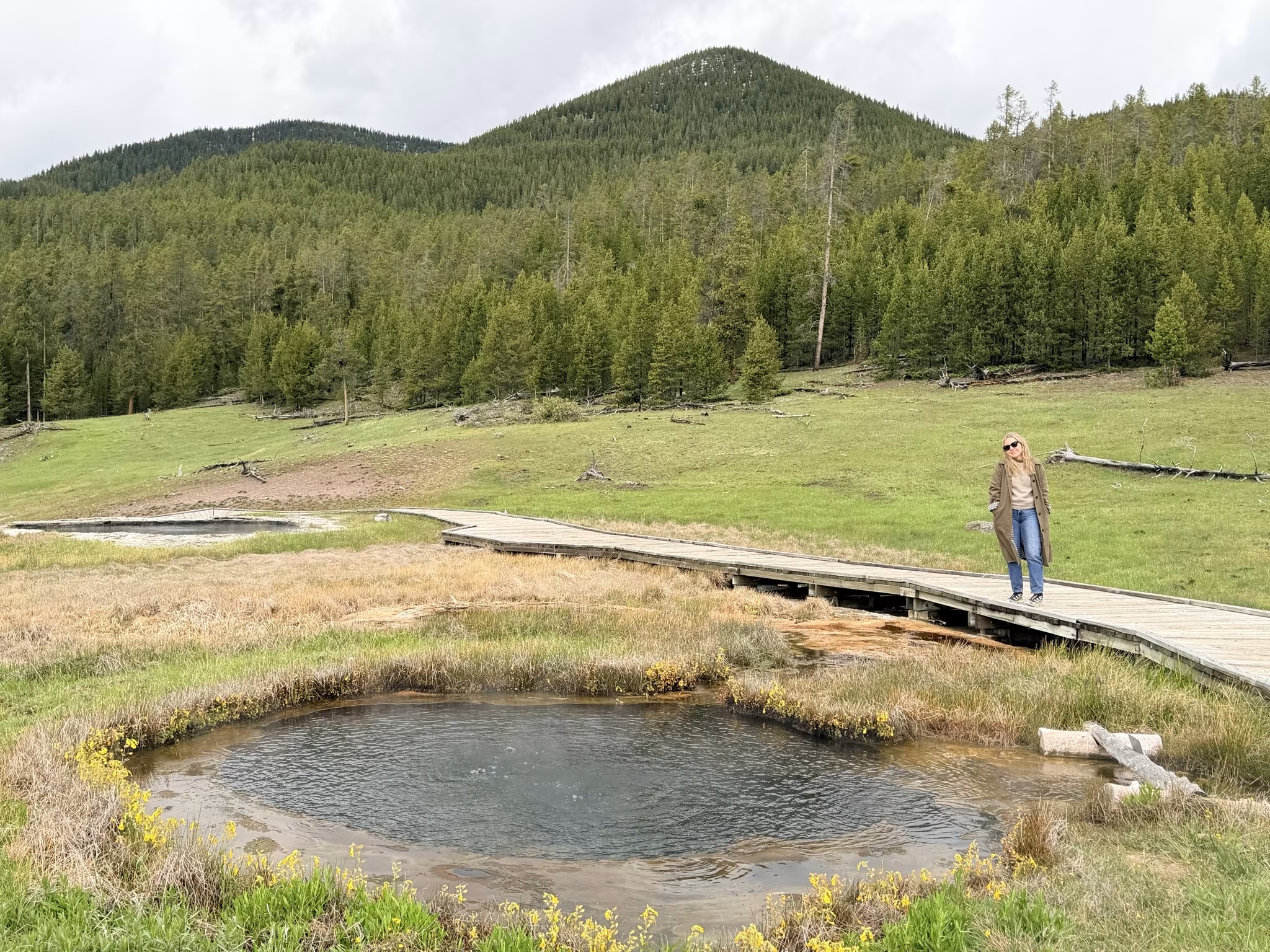
Terrace Spring at 11:14 a.m., just north of Madison Junction—a small boardwalk loop most people drive past on their way to something more famous, and pleasant precisely because of it.
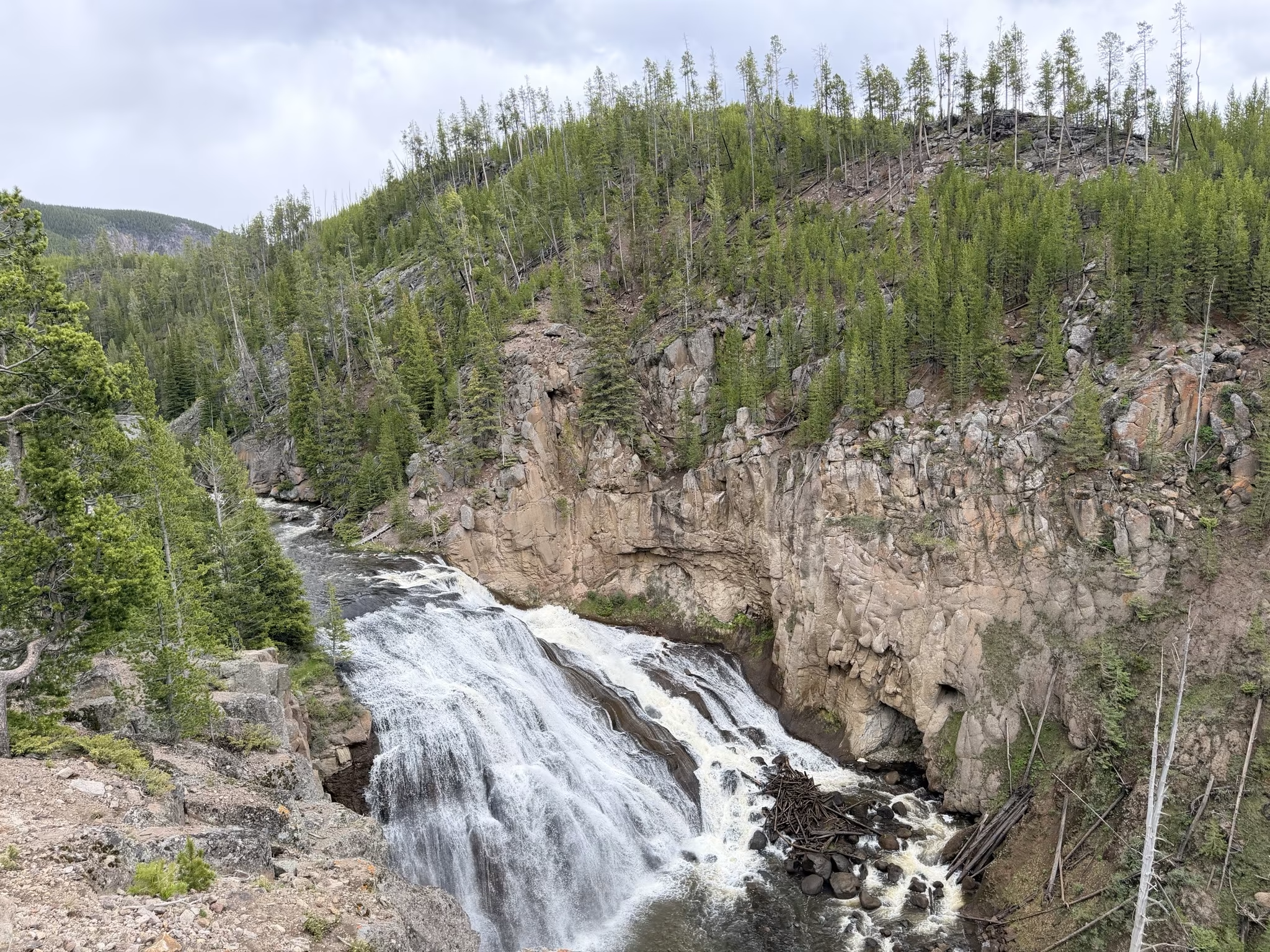
Then Gibbon Falls at 11:36 a.m., an 84-foot drop on the Gibbon River between Madison Junction and Norris. The falls spill over a remnant of the Yellowstone Caldera rim, which means the rock face across the road is the inside wall of the volcano. In June, with snowmelt at full volume, it earns the pullout.
It is Gibbon Falls, singular, named for Colonel John Gibbon. I called it “Gibbons Falls” in 2005 and would have called it that again today had I not gone back and checked. Some errors age like wine.
Lunch, and Then Winter
We stopped at Wylie’s Canteen at Lake Lodge at 1:04 p.m. for chicken salad sandwiches and a wall of windows onto Yellowstone Lake.
The canteen is named for William Wallace Wylie, a Bozeman schoolteacher who guided his first tour group through the park in 1880 and went on to build a chain of permanent tent camps as an affordable alternative to the grand hotels. Lake Lodge sits on the site of one of them. It is a nice piece of continuity: a hundred and forty years on, the budget option at Yellowstone Lake still bears his name.
We may also have been among its first customers of the year. One listing gives the canteen’s 2026 season as June 10 through October 4, and we walked in on June 10. Perhaps, then, ours were the first sandwiches of the season. Nobody mentioned it, nobody was wearing a party hat, and the coffee tasted like it had been made before.
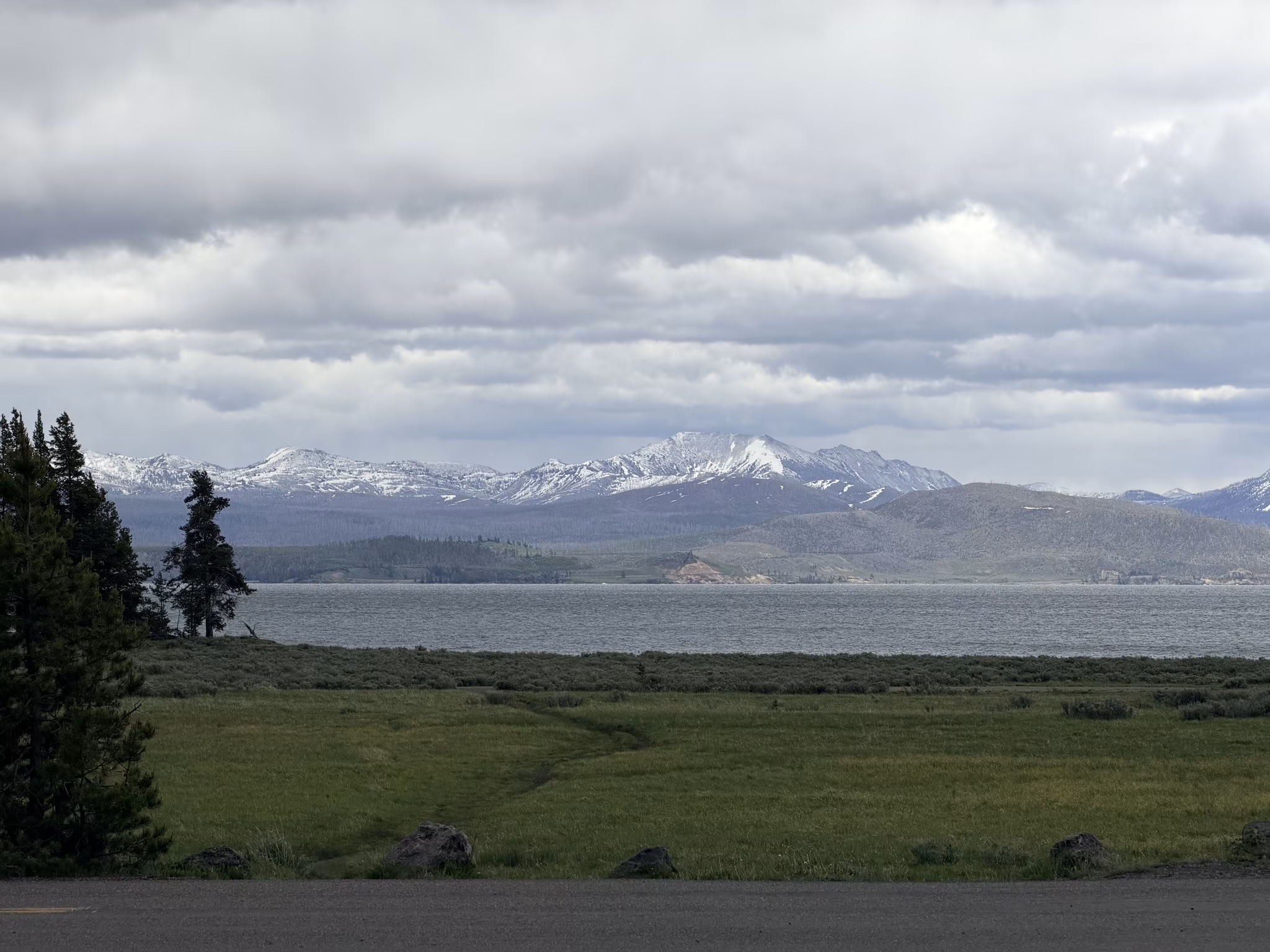
Somewhere between the sandwich and the coffee, it began to snow. Hard.
Not a flurry. A committed, horizontal, mid-June snowstorm that turned the lake the color of a nickel and erased the far shore. We stayed inside for a few hours drinking coffee and watching a national park change season through the glass.
At 1:56 p.m., with no better use of my time, I plotted the rest of the day on my phone: Mud Volcano, West Thumb, then out through Firehole Falls and up to Steamboat Geyser at Norris. Two hours and twenty-nine minutes. It was an excellent plan and the weather had no interest in it.
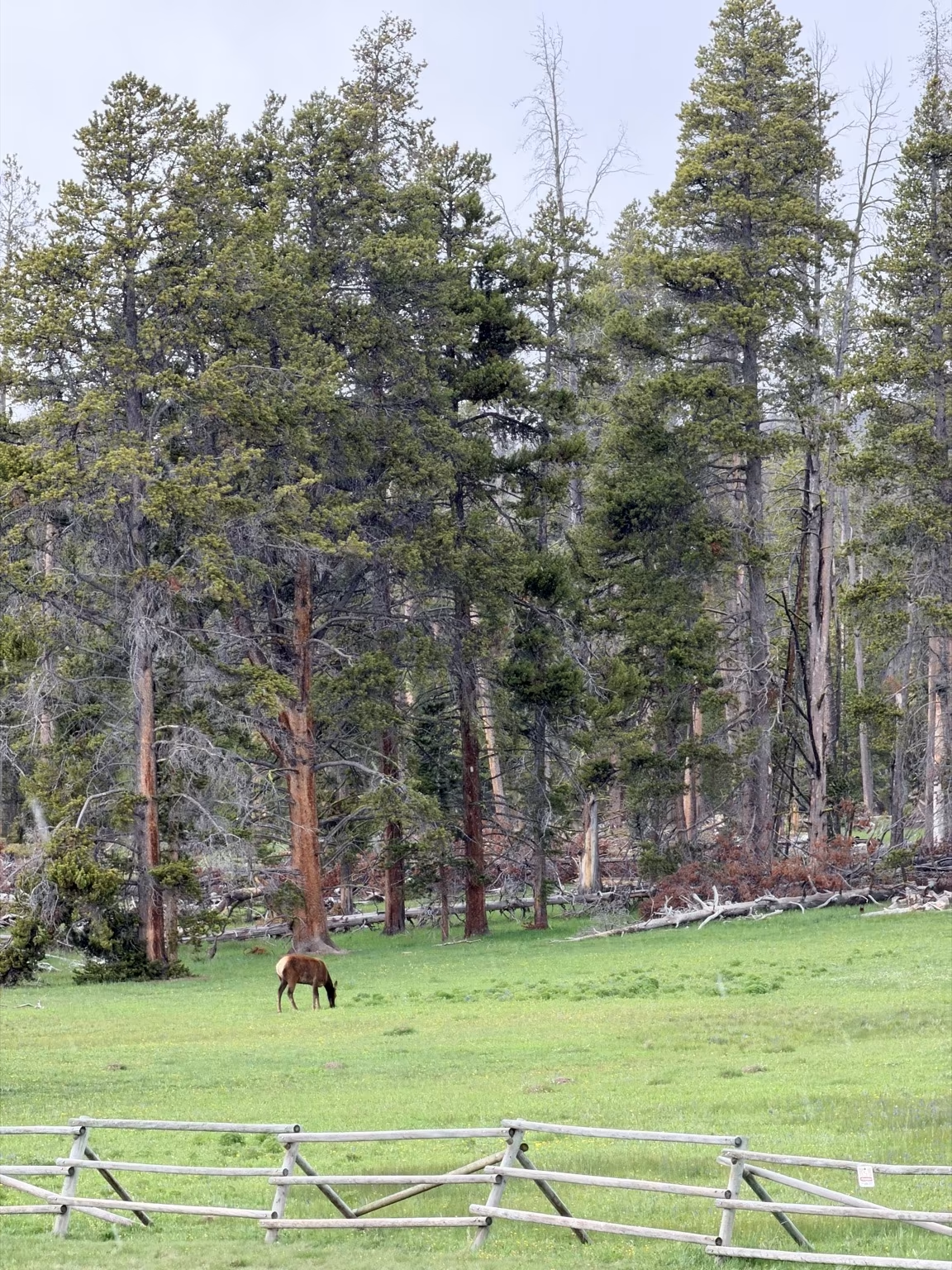
When we finally went back outside, Yellowstone had been repainted. In 2005 I opened my post about this place with “Hooray for the trees!” The trees were still there. They were just white now, every lodgepole pine along the lakeshore flocked to the branch tips, and the meadows that had been green at breakfast were gone.
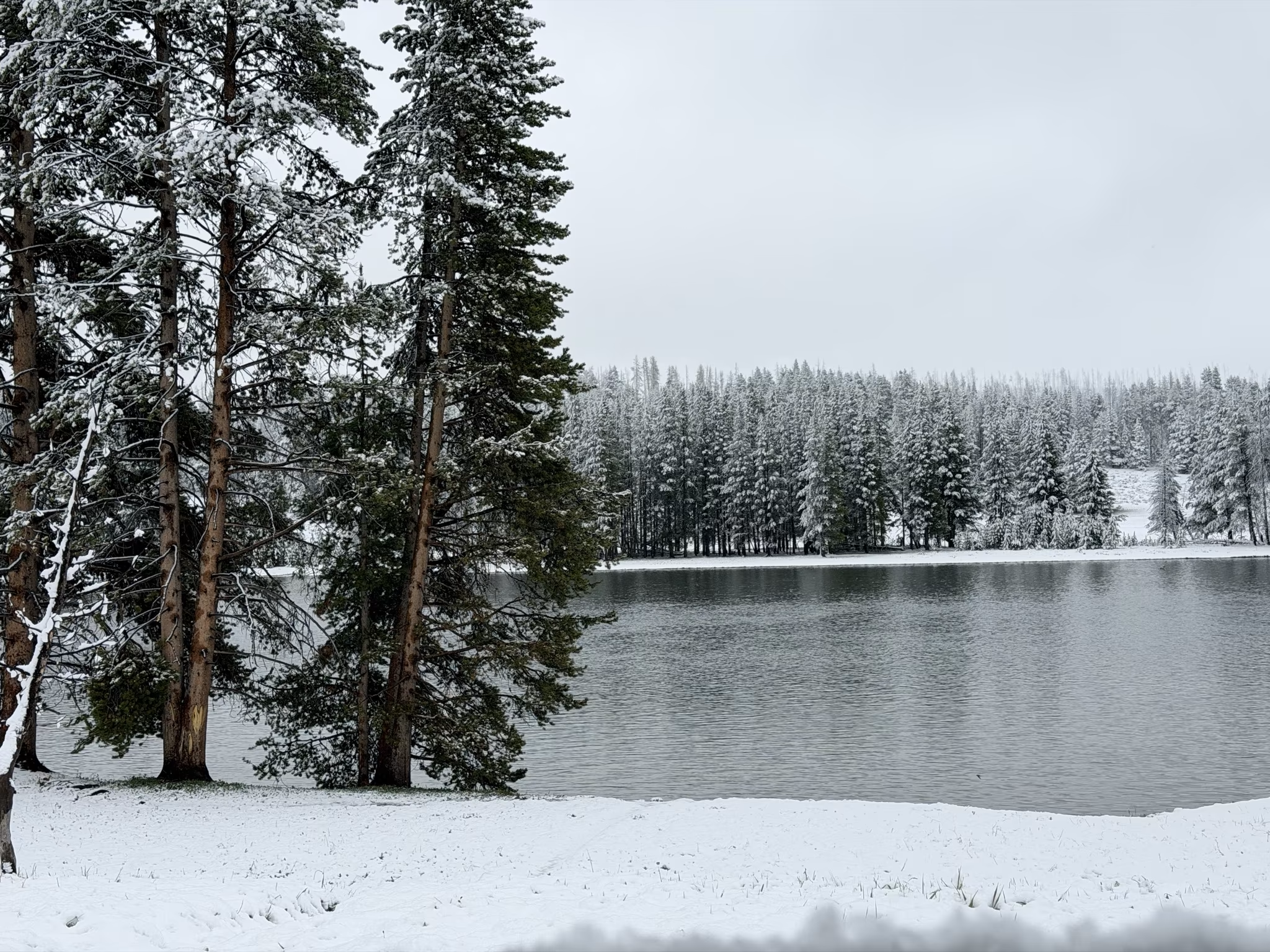
I cannot claim we planned this, but seeing the park in both spring and winter conditions inside of six hours felt like getting two trips for the price of one $80 pass.
Mud Volcano, and a Bison With Right of Way
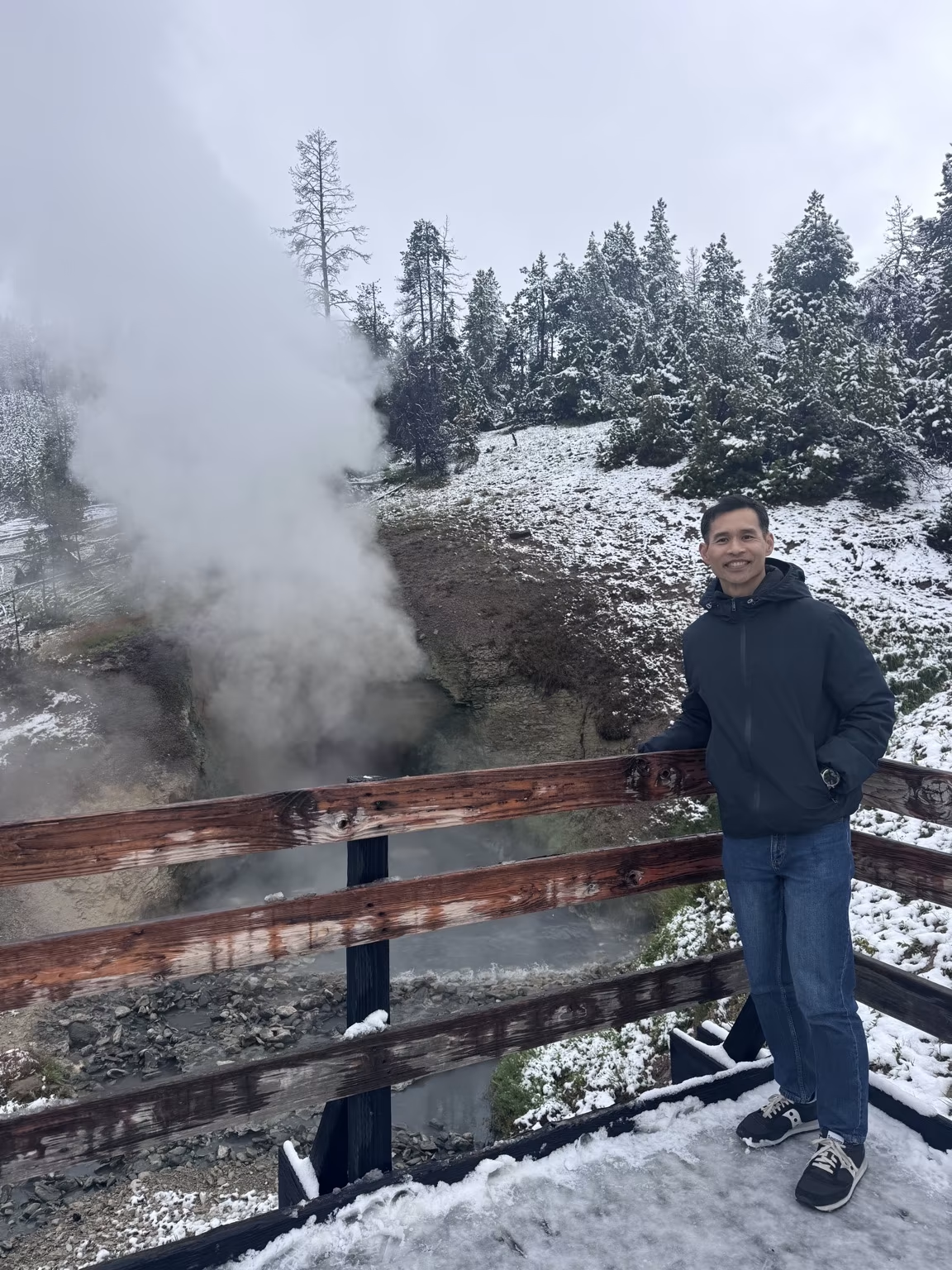
We started up the Mud Volcano trail at 4:31 p.m., boots in fresh snow, into the smelliest place in Yellowstone. The features here are the park’s most acidic, and the hydrogen sulfide makes the whole basin smell like a refrigerator that lost an argument.
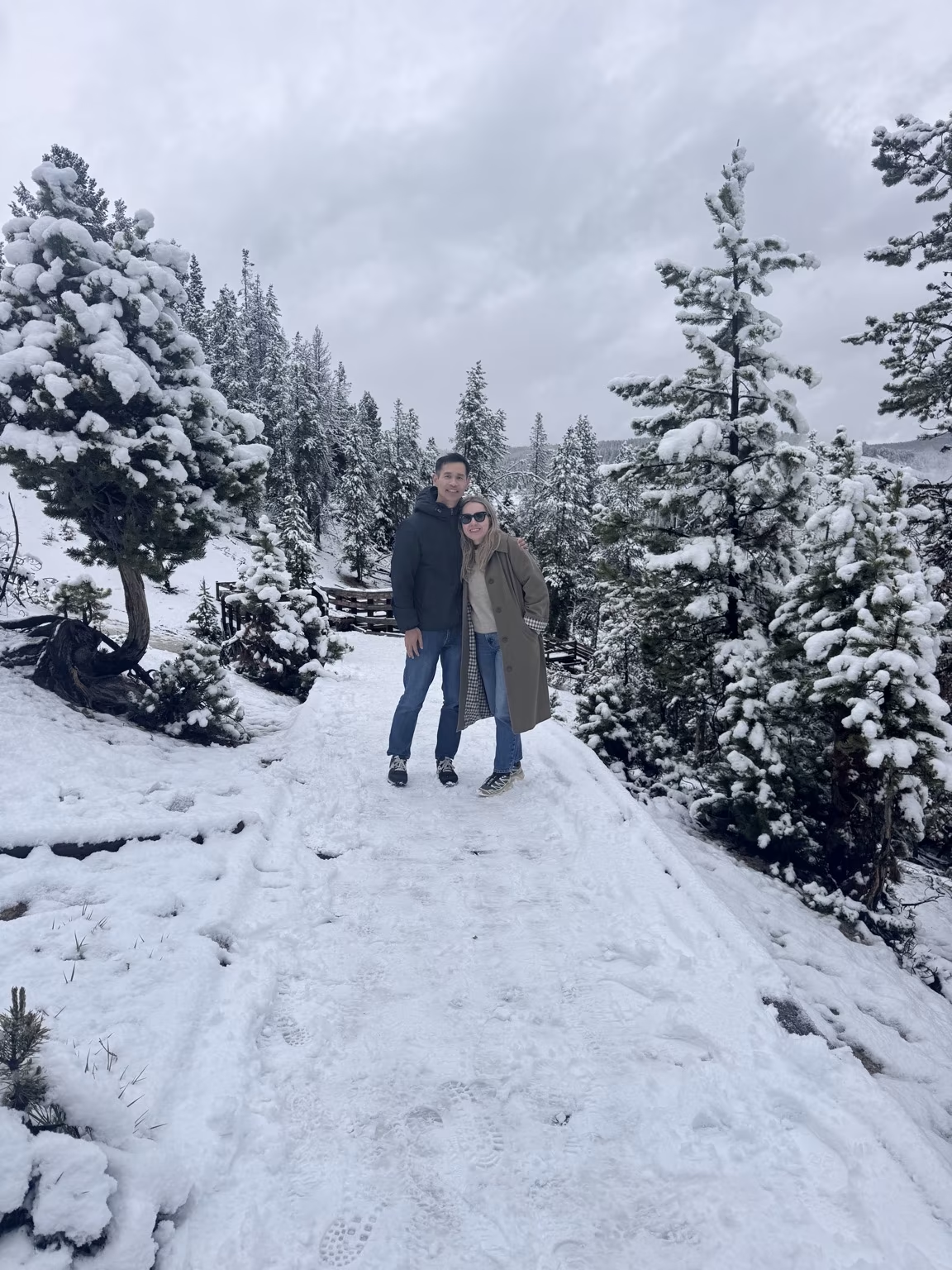
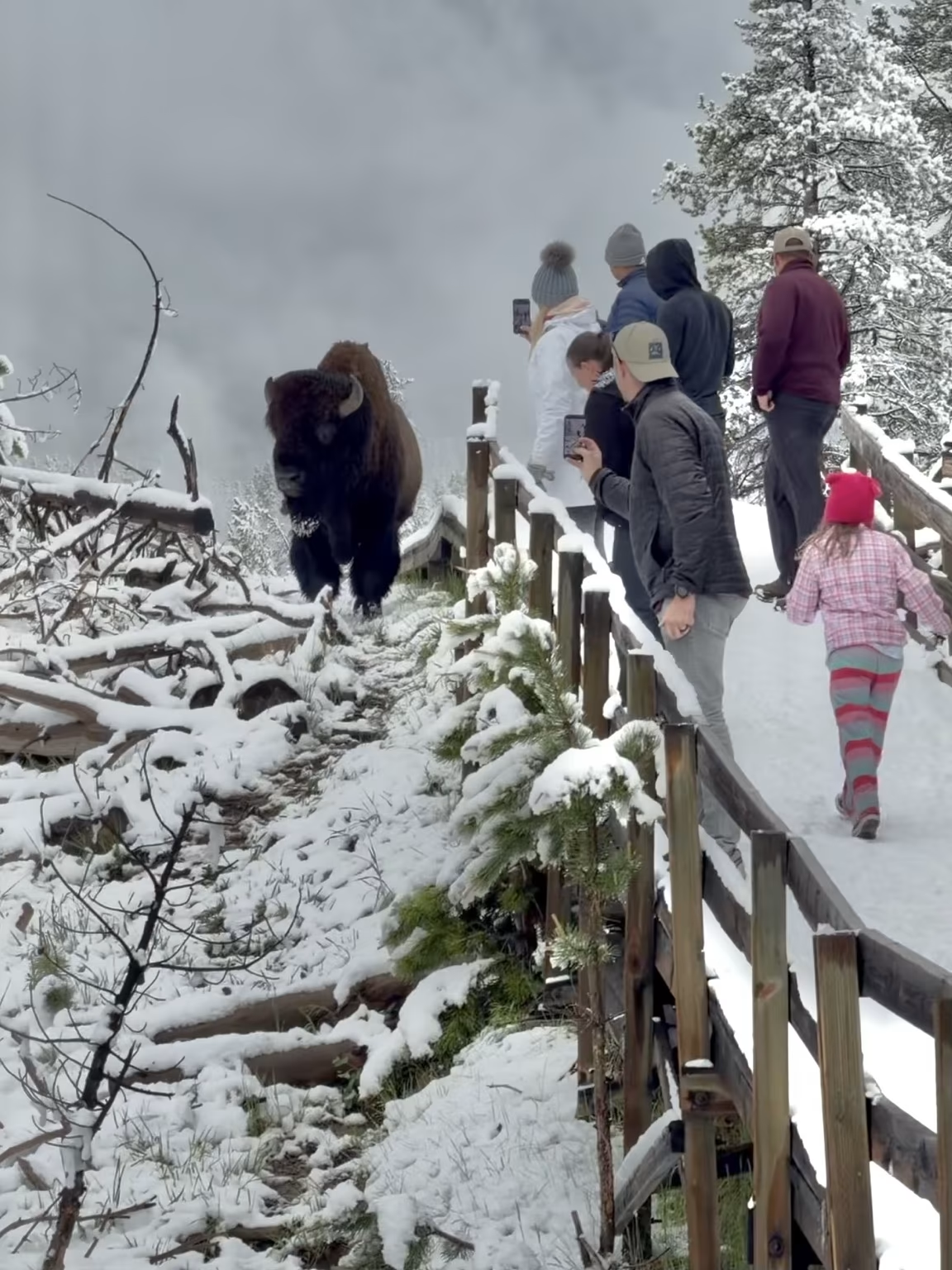
Partway up, we noticed other visitors coming back down the trail toward us—walking backward, phones raised. This is rarely a sign that things are going normally.
A bison was working its way along the slope beside the trail, separated from us by a fence about three feet high, which is to say separated from us by nothing at all if the bison held a different opinion. The Park Service asks visitors to stay at least 25 yards from bison and is explicit that if one is on the trail, you turn around and go back the way you came. We kept our distance and I used the 4x telephoto on my iPhone 17 Pro, which is the entire reason to own the Pro.
Sour Lake at 4:46 p.m.—placid, warm, and among the least swimmable bodies of water in North America.
West Thumb, in the Snow
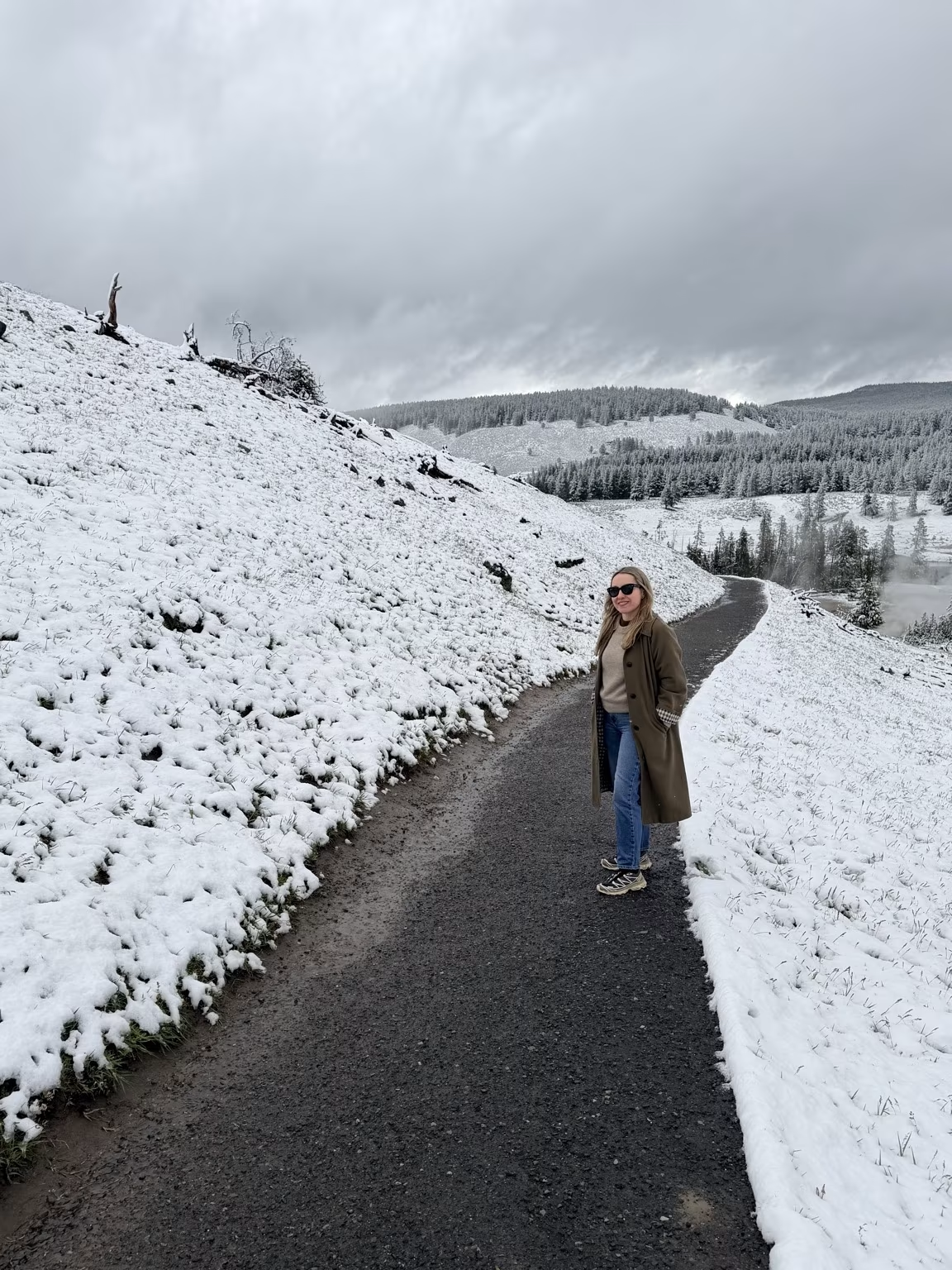
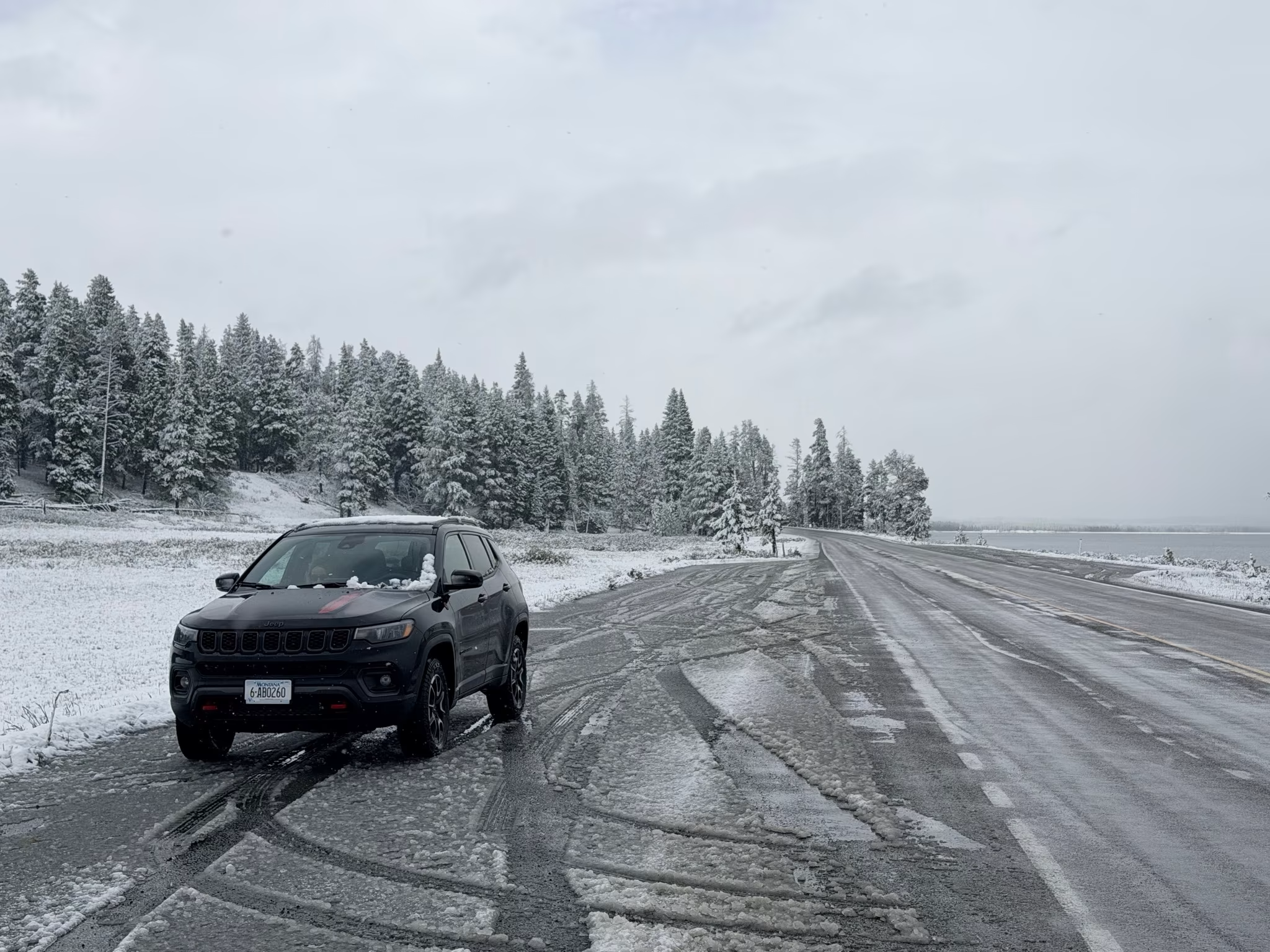
The road south along the lake was slush, which the Trailhawk’s all-terrain tires handled without drama. I thought about Elaina on this same asphalt, rear-wheel drive and live axle, and concluded she would have handled it with rather more drama.
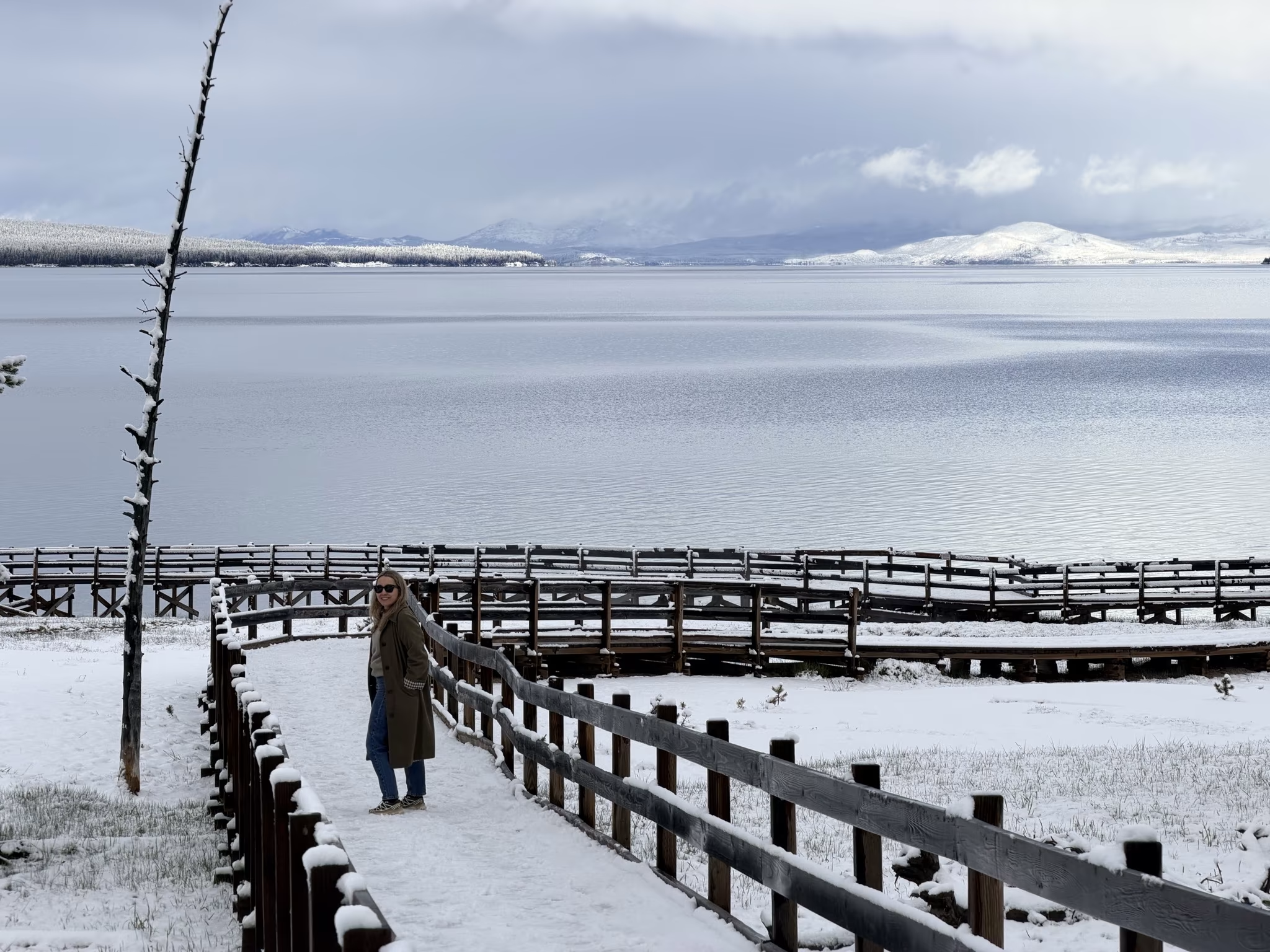
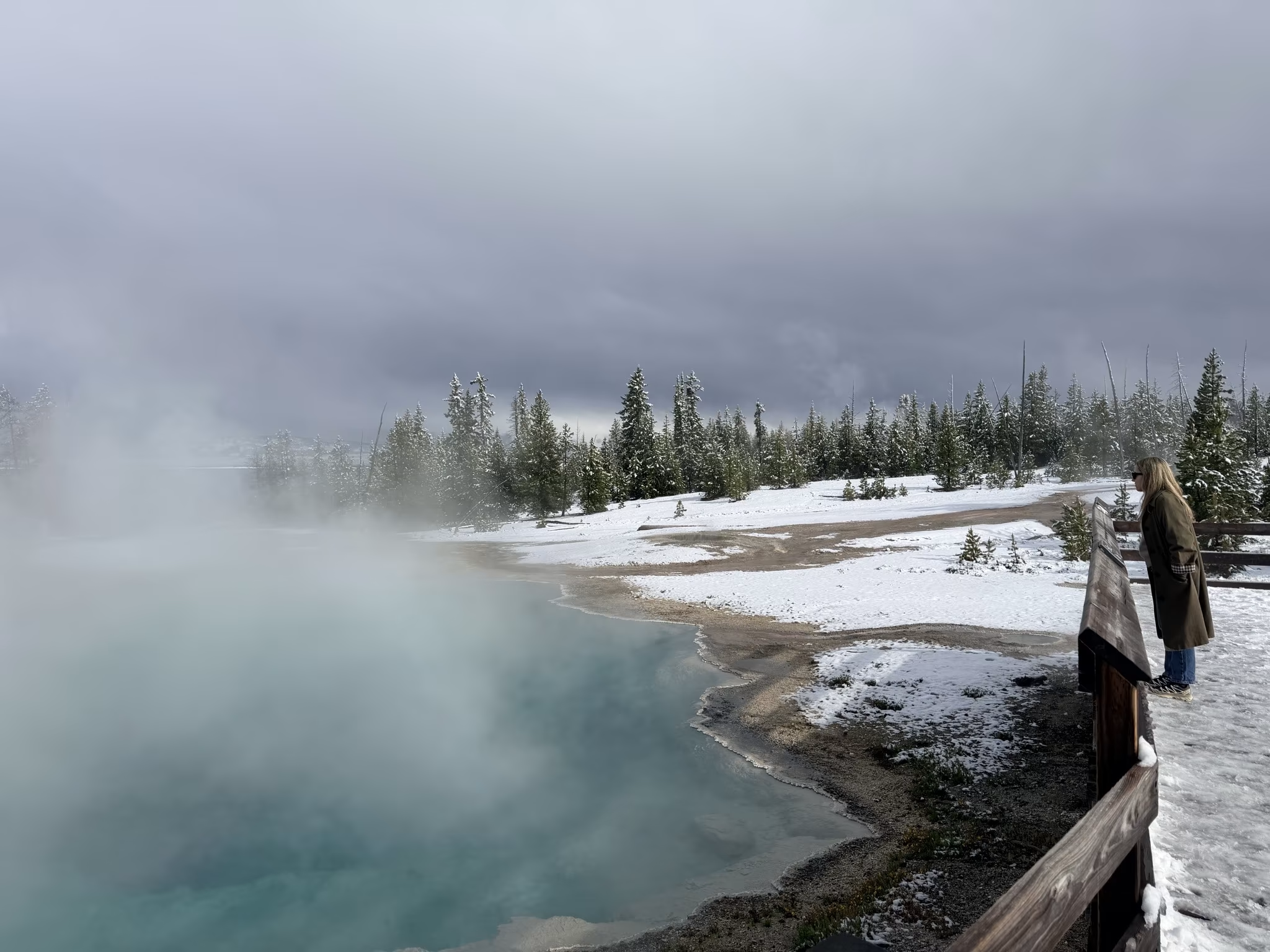
We reached West Thumb Geyser Basin at 5:56 p.m. It may be the best-sited thermal area in the park: a boardwalk along the shore of Yellowstone Lake, hot springs steaming a few feet from cold water, and the Absaroka Range across the water when the weather permits it.
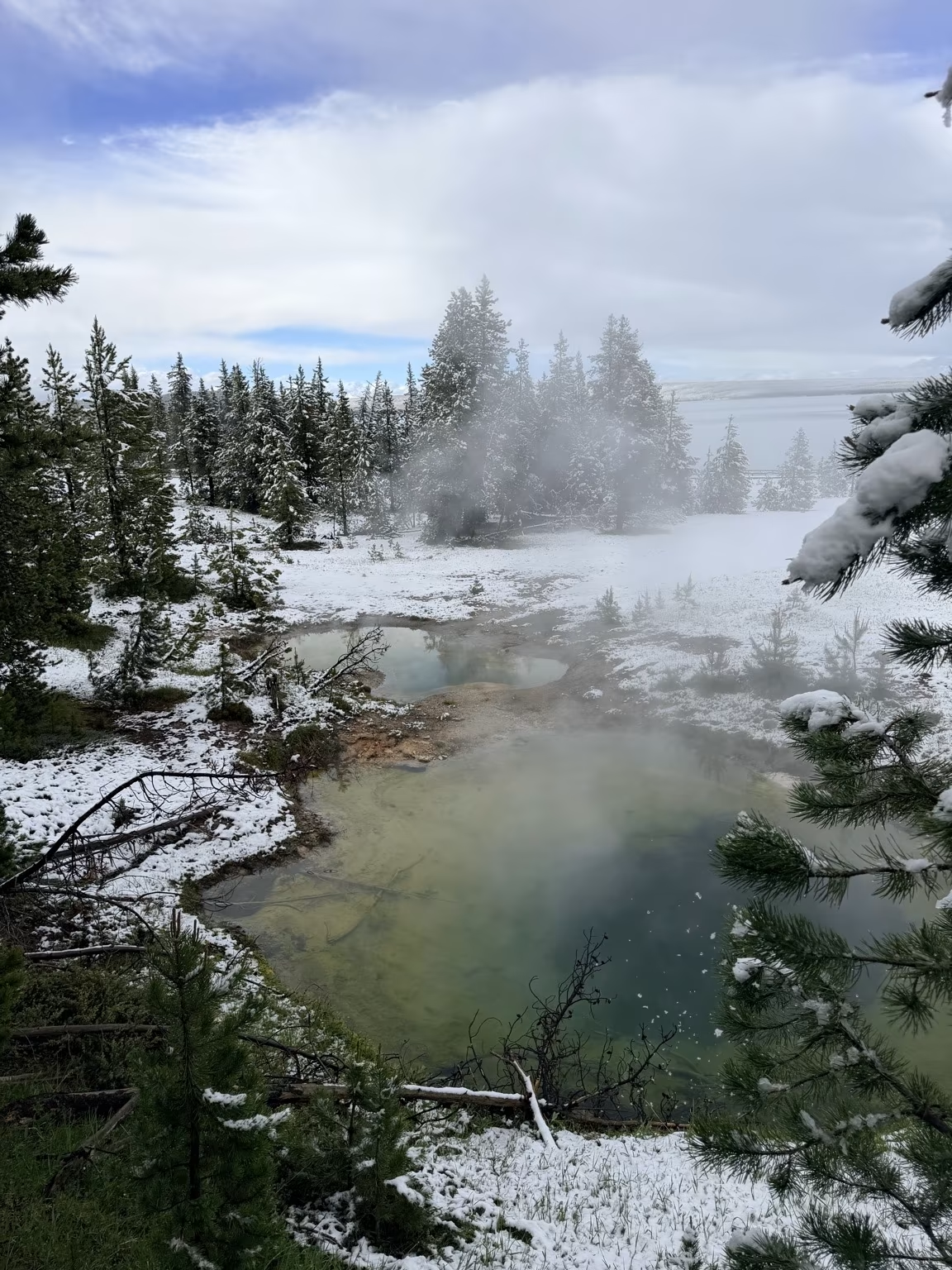
Bluebell Pool was steaming in fresh snow with frosted pines around it, which is a combination you get for about two weeks a year and never on purpose.
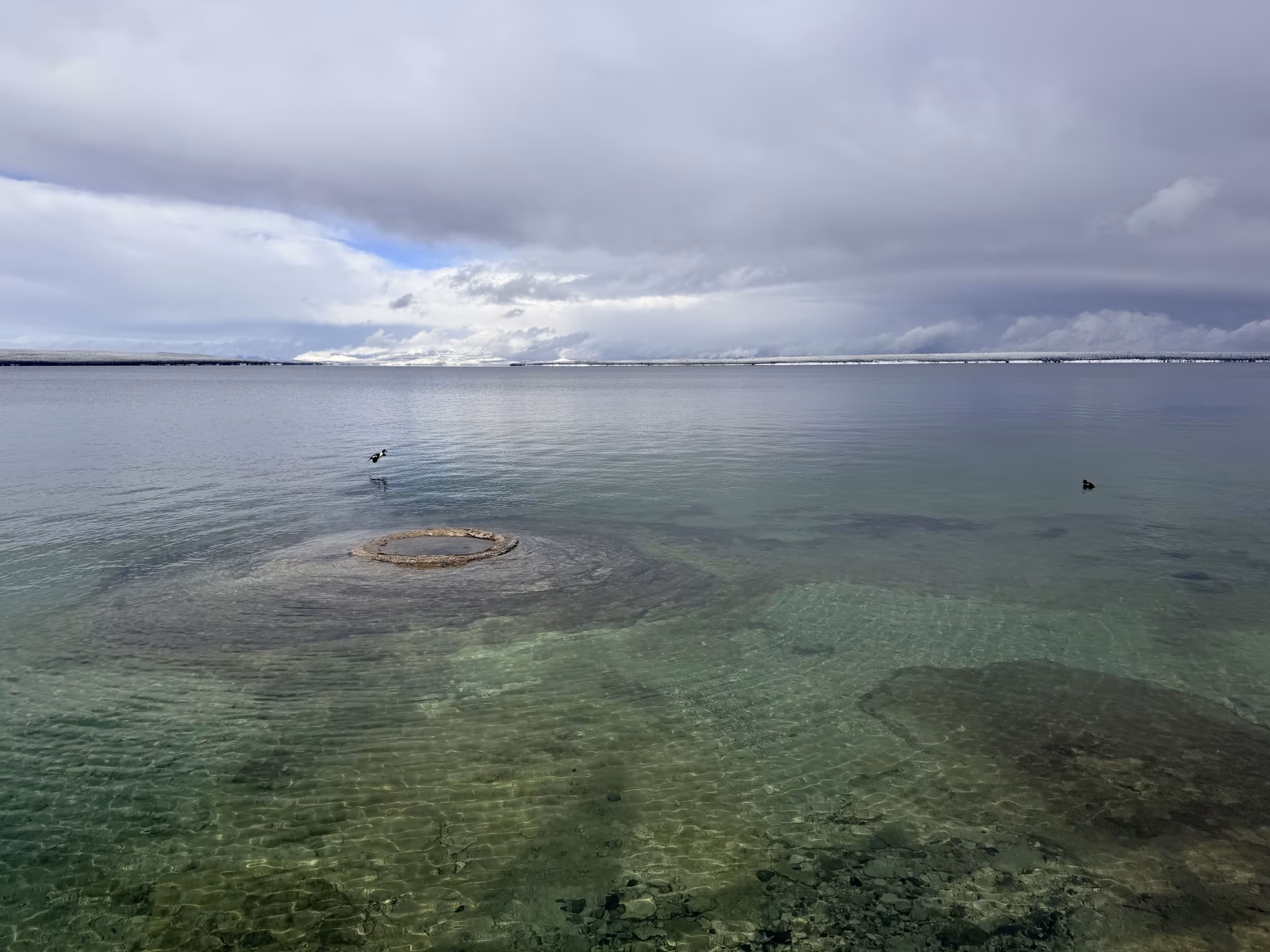
Lakeshore Geyser, Fishing Cone, and Big Cone all sit at or below the waterline here, and in early June the snowmelt has the lake at its highest, so they were largely submerged—visible as pale shapes glowing through the shallows. Fishing Cone is the famous one. In the park’s early days, visitors would hook a cutthroat trout in the lake, swing the rod around, and cook the fish in the cone without moving their feet. This is no longer permitted, which is a loss for showmanship and a win for the trout.
Black Pool closed the loop, glowing turquoise at the snowy edge of the lake. It has not been black since 1991, when the water heated enough to kill the dark bacterial mats that gave it the name. Nobody has renamed it. In Yellowstone, the label outlives the evidence.
Firehole Falls and Steamboat Geyser stayed on the phone, unvisited. That is what Day 2 is for.
West Yellowstone
We exited the park, crossed back over the Wyoming line into Montana, and walked into downtown West Yellowstone.
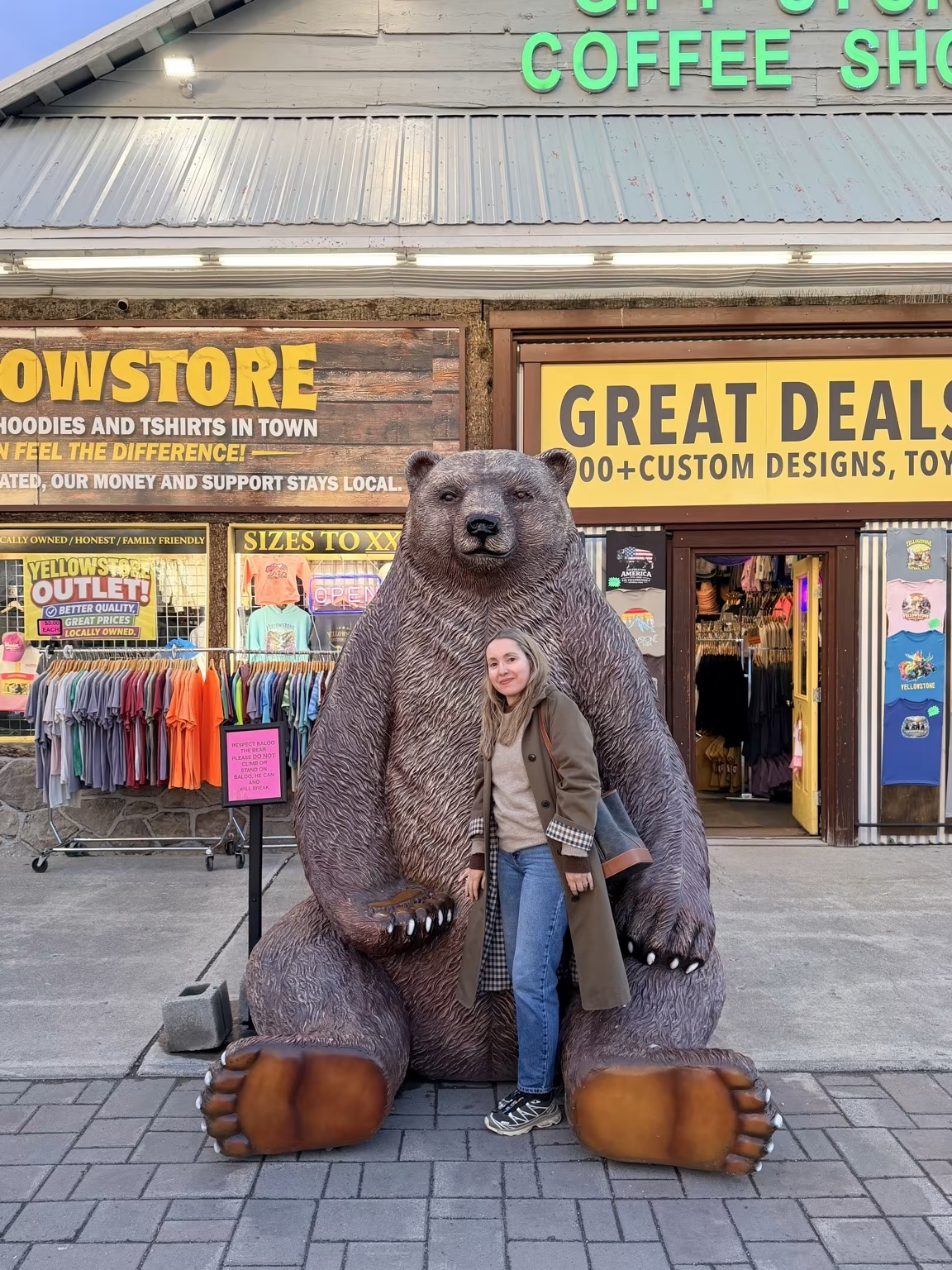
We had seen no bears. Andrea, refusing to accept this, located a giant carved wooden one outside a souvenir shop and posed with it. It has the correct number of limbs and a considerably better temperament than the real thing.
A block on, a sign invited us to “Shoot a real machine gun!” I have questions about the business model, none of which I asked.
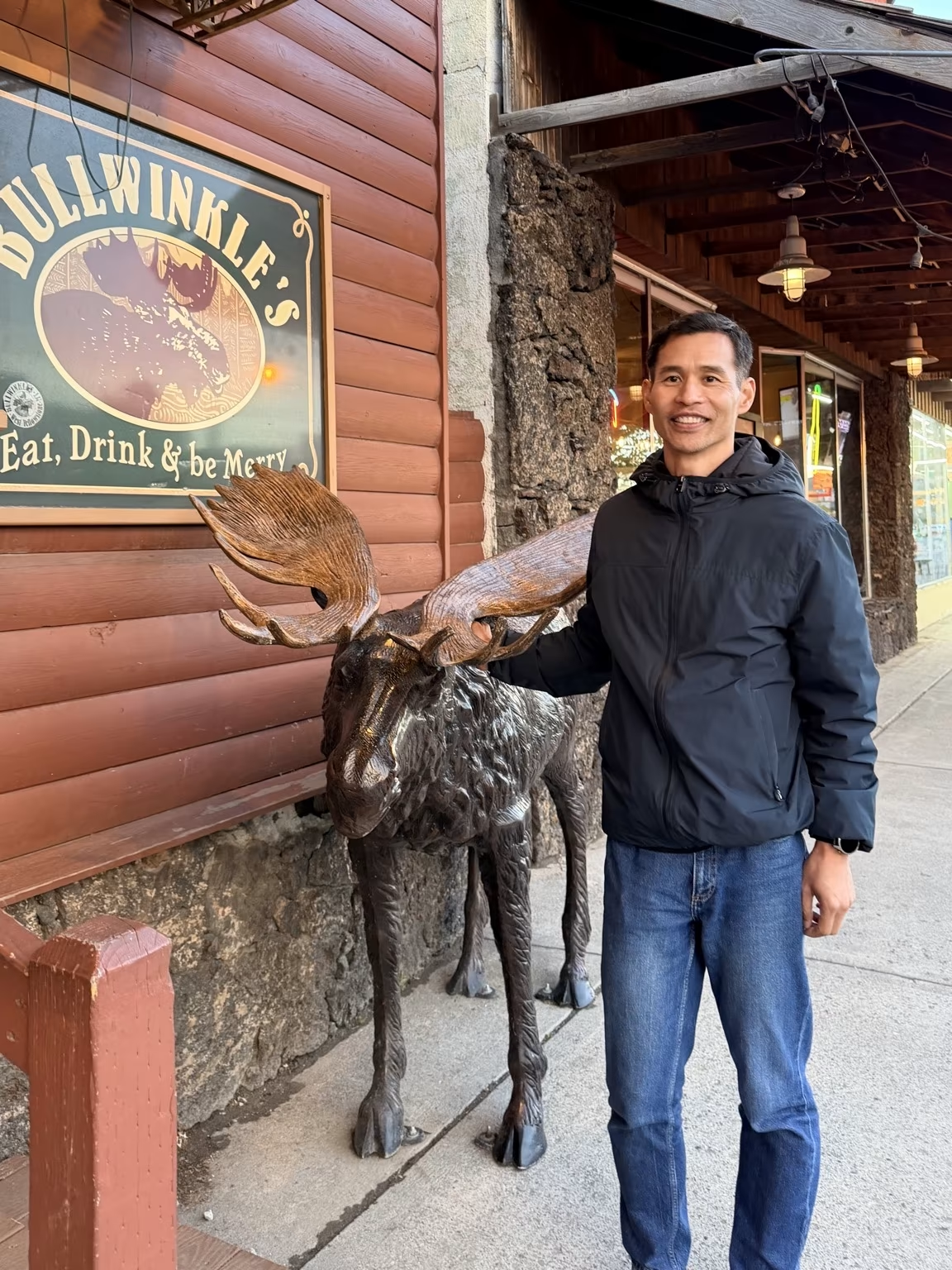
Dinner was at Bullwinkle’s, where I posed with the moose out front—having now been photographed with two large wooden mammals in one evening—and we had salad, rainbow trout, and orzo.
The neon came on as we walked back.
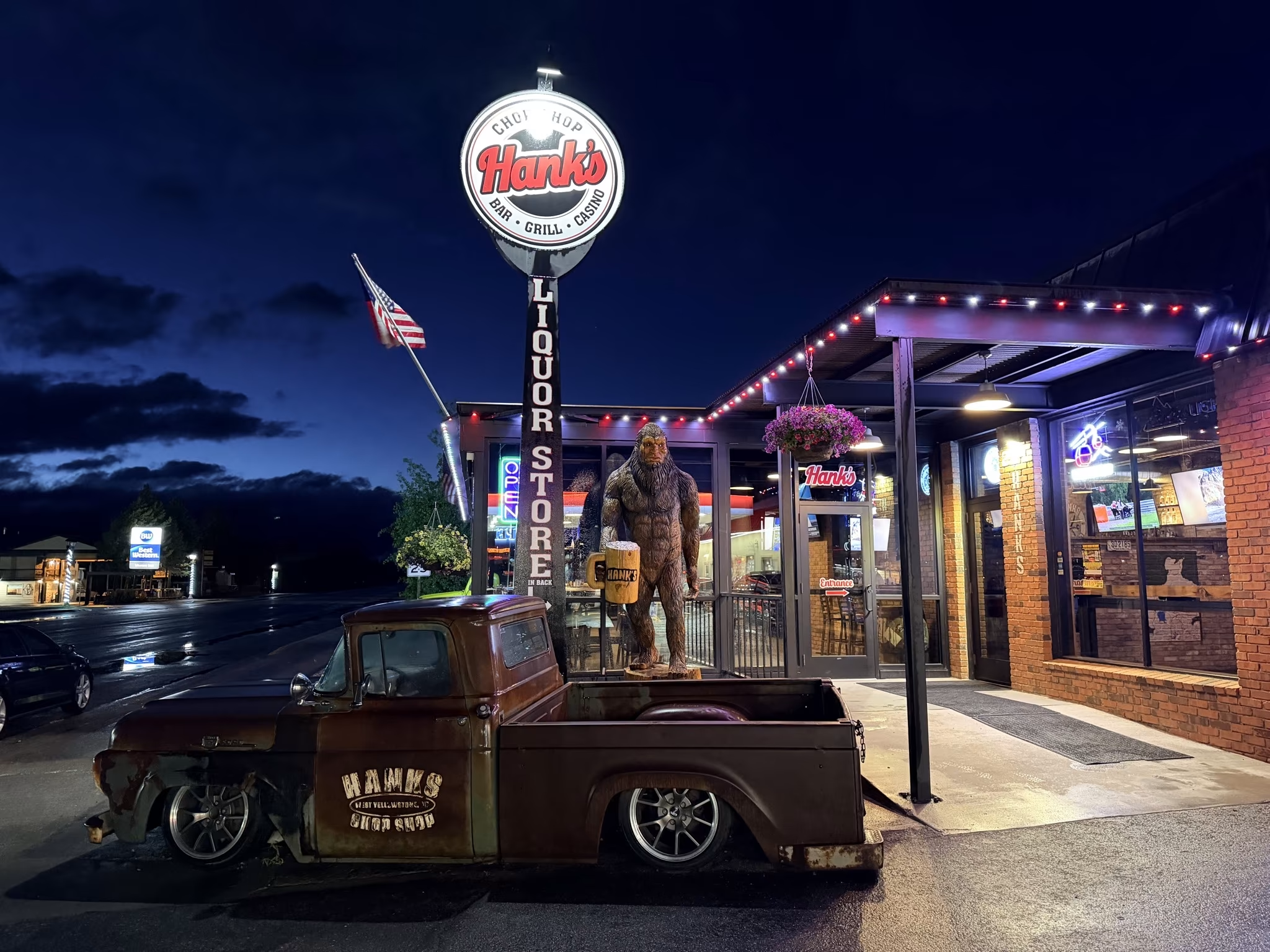
Then back to the Elkhorn Cabins and Inn, where we slept well, and where the forecast for Day 2 was somebody else’s problem until morning.